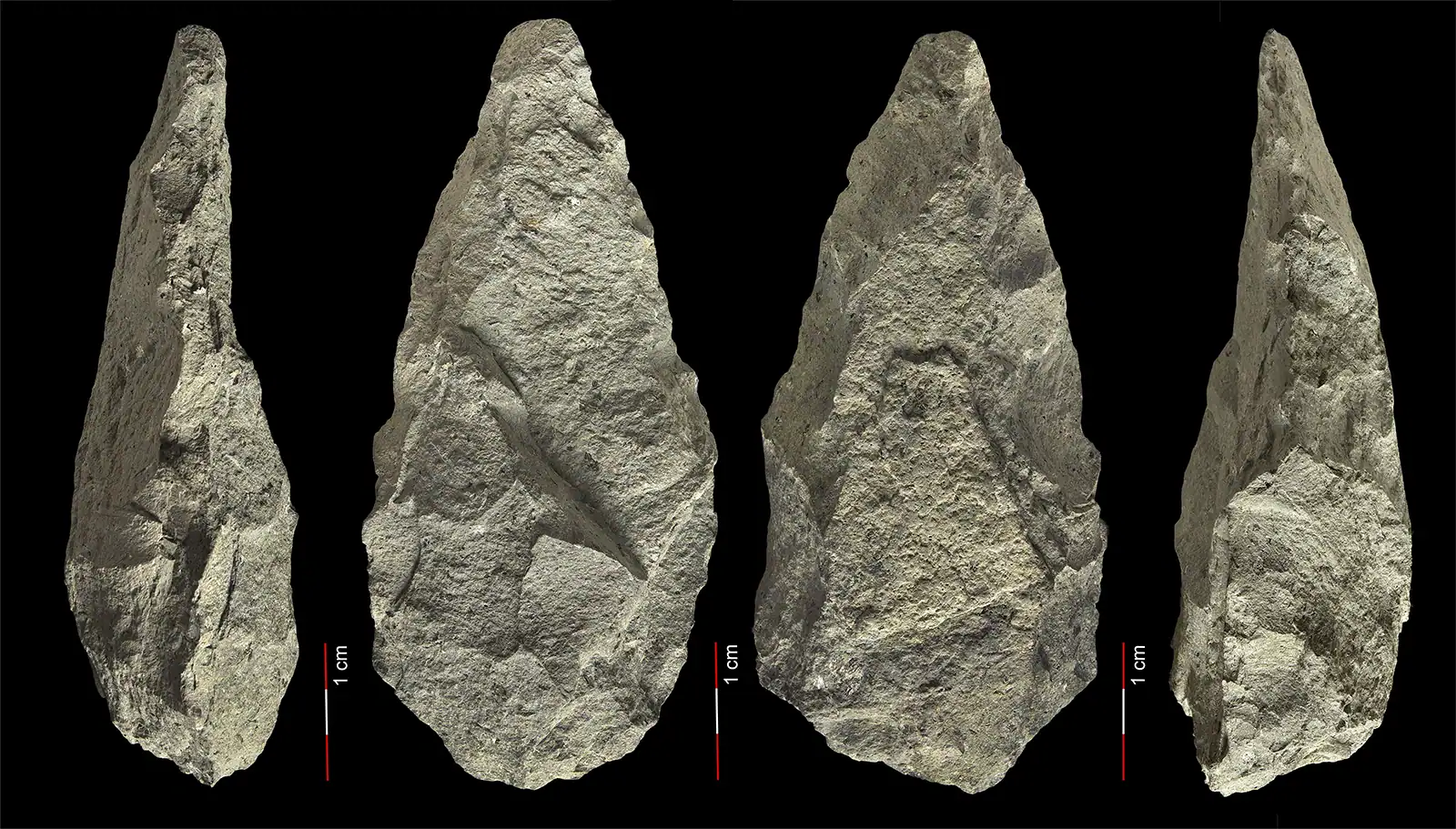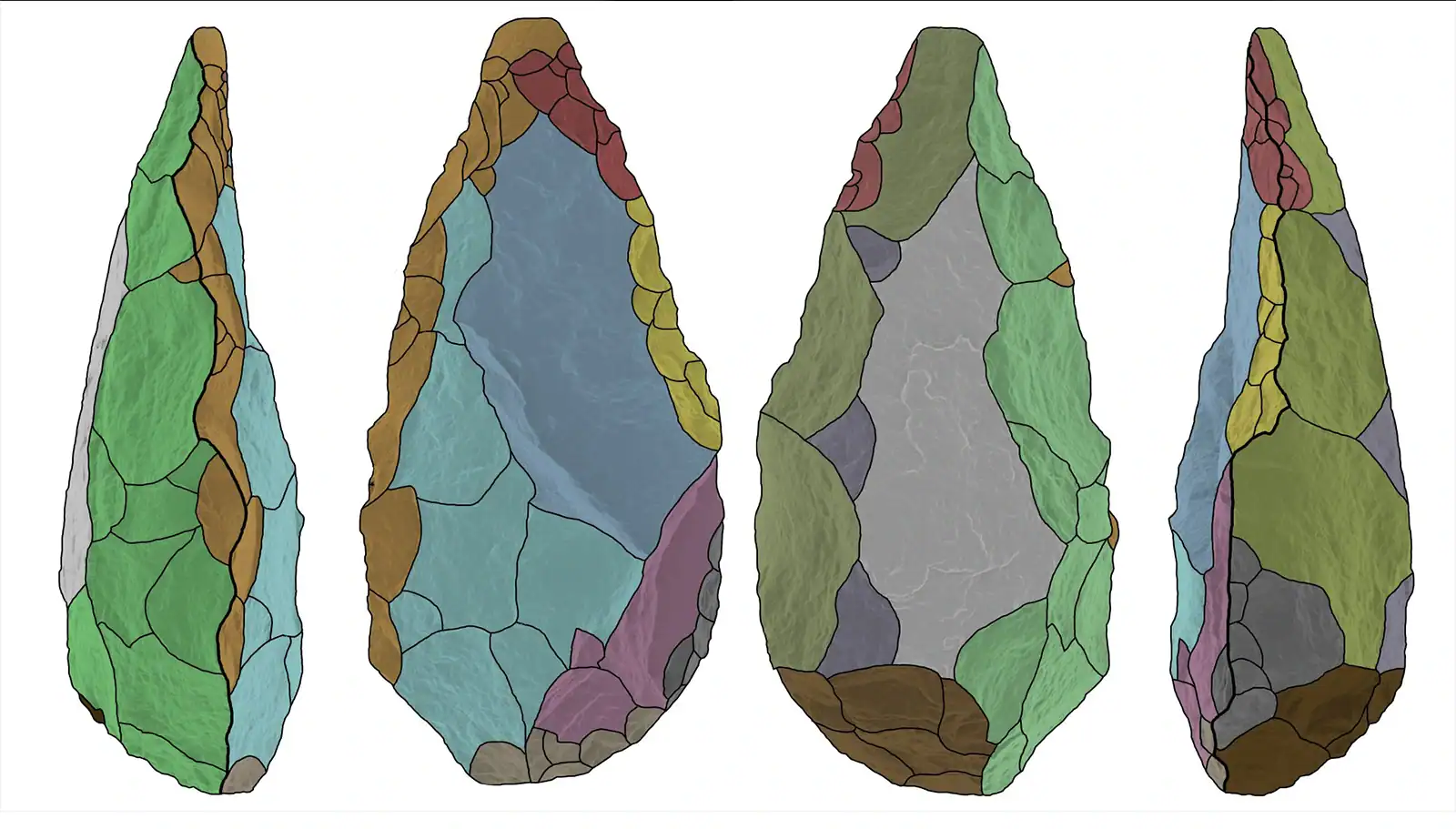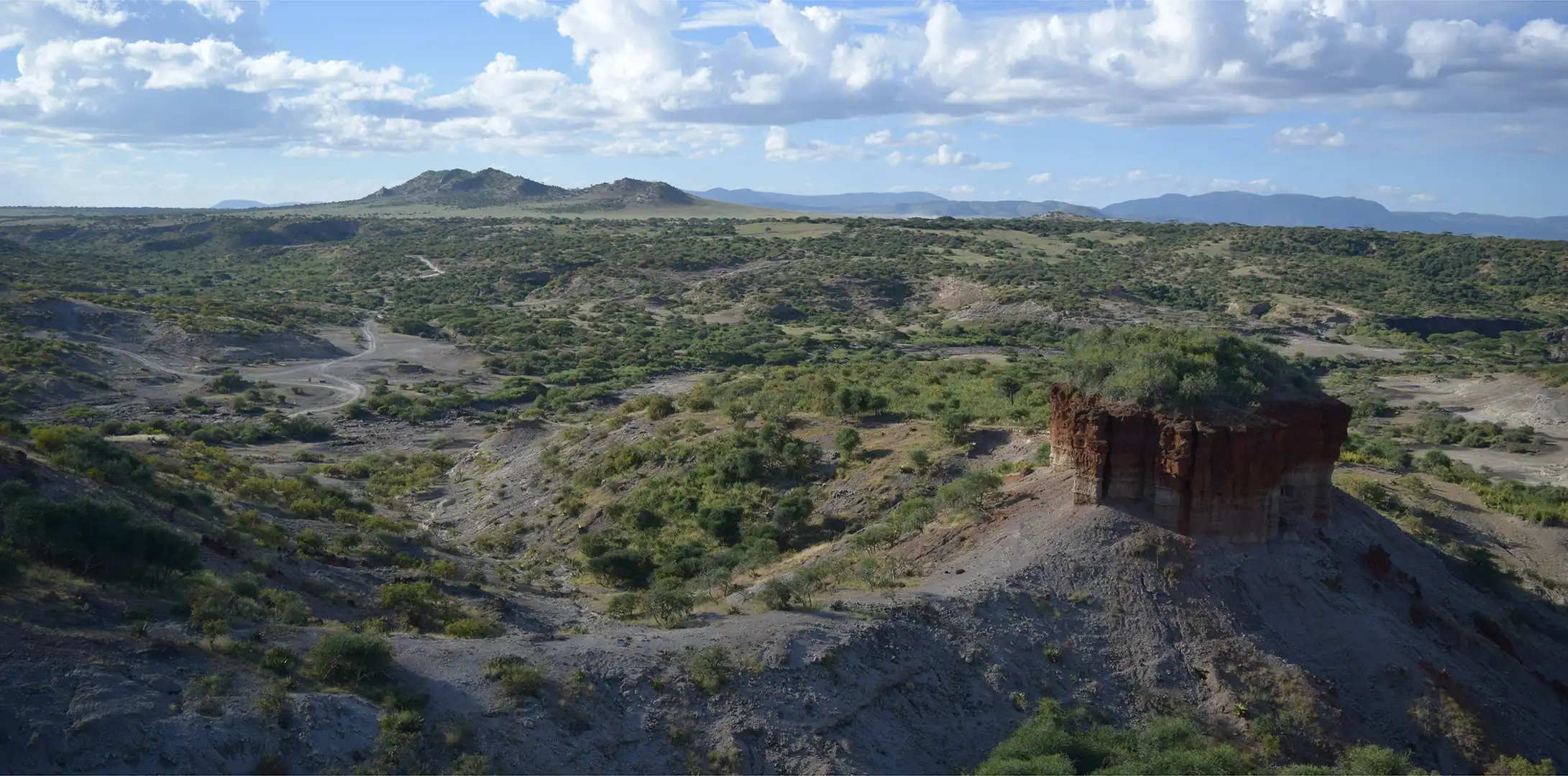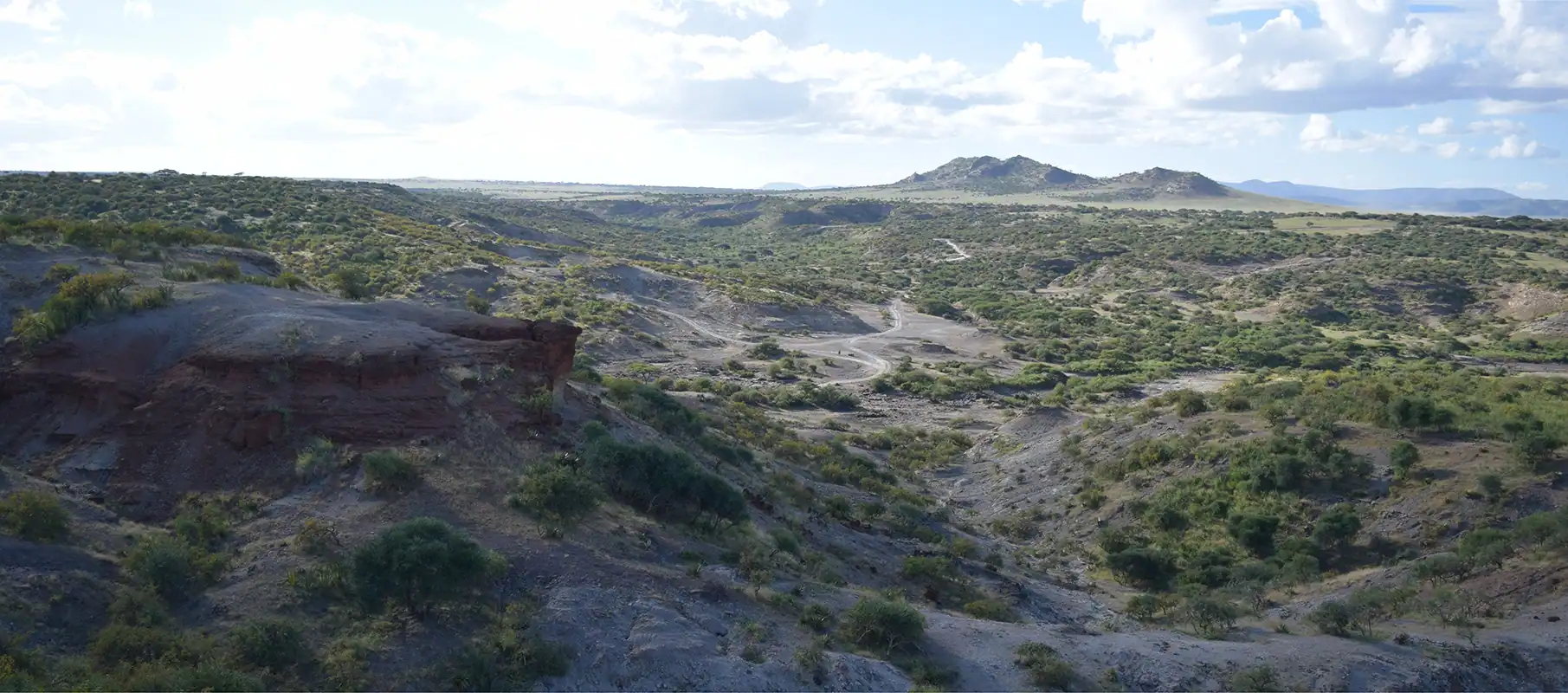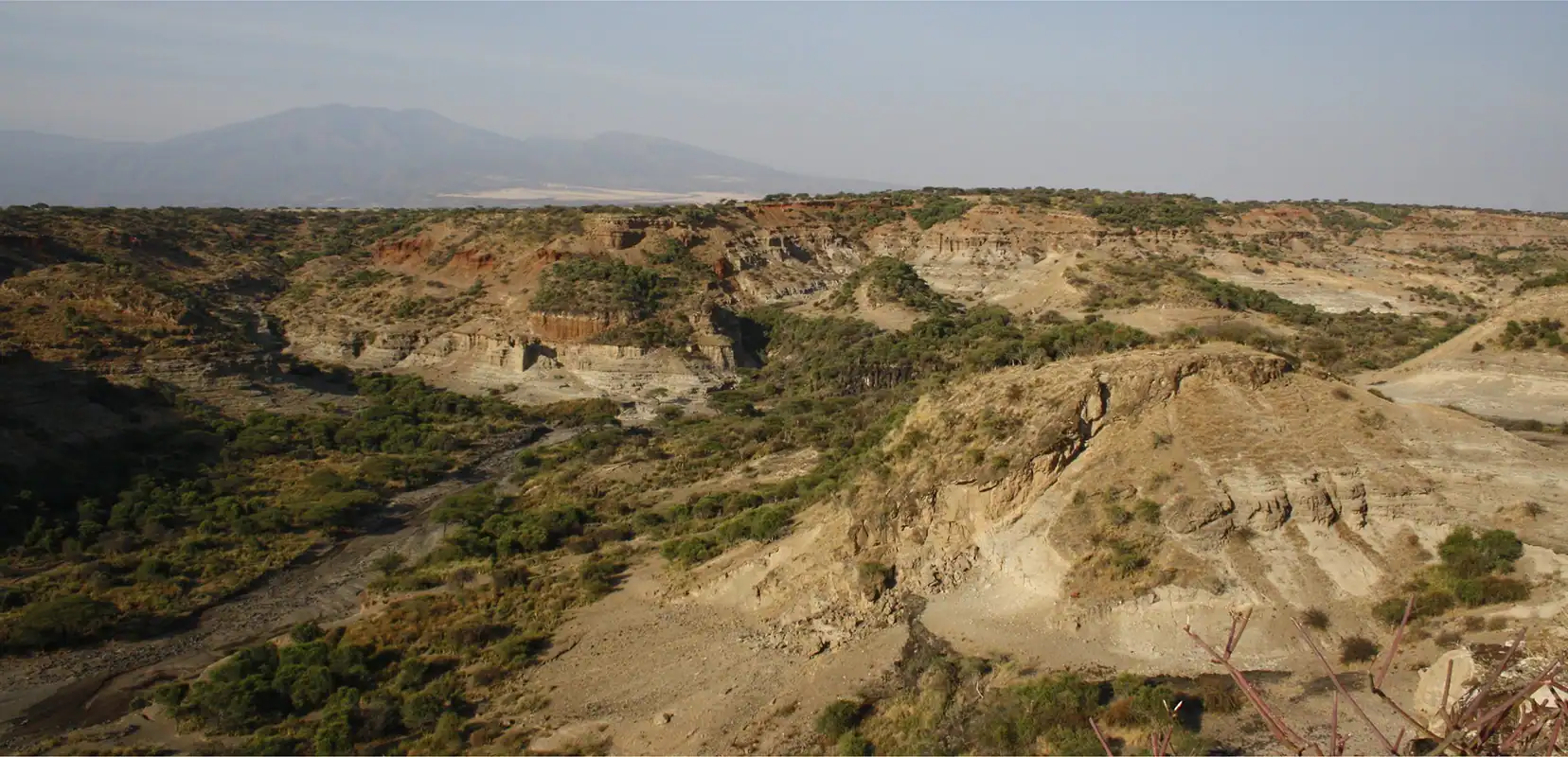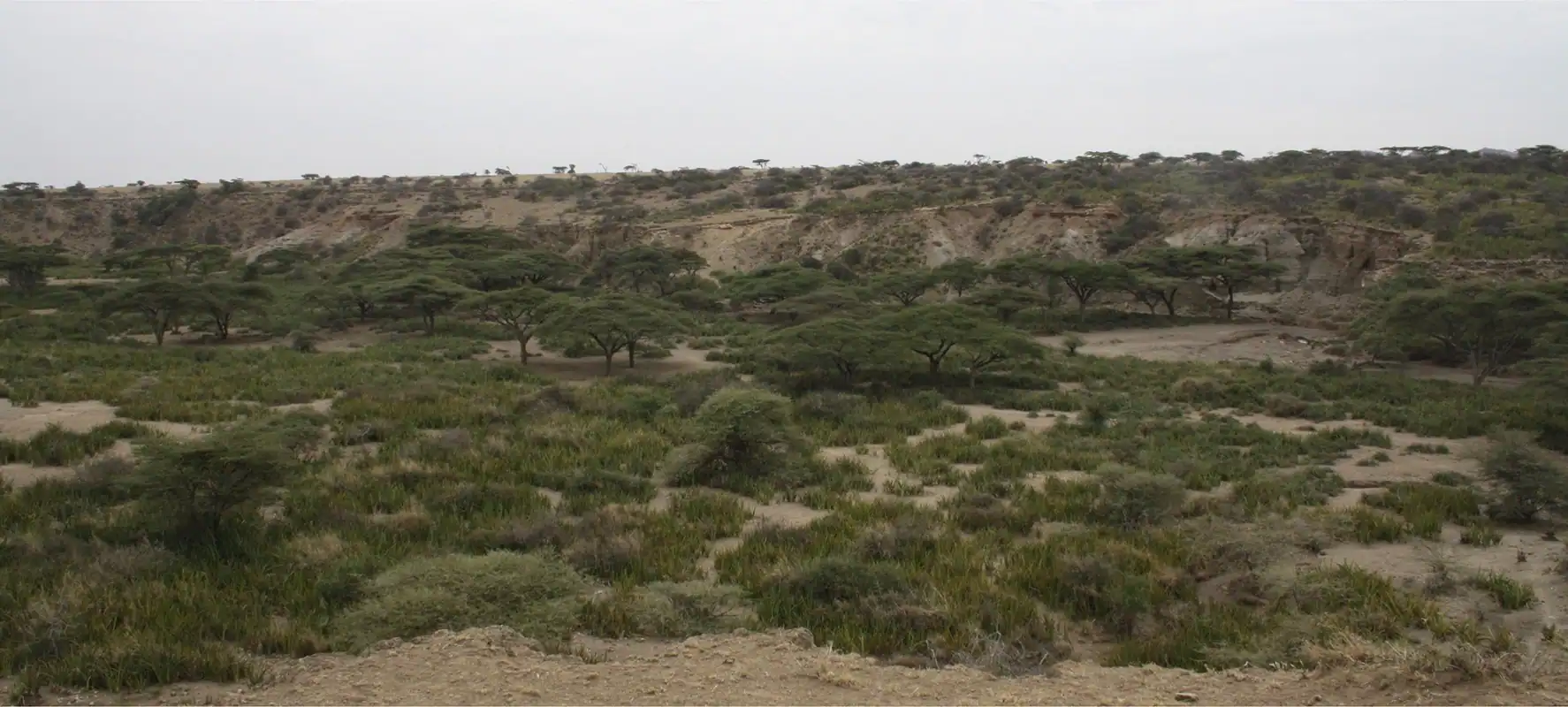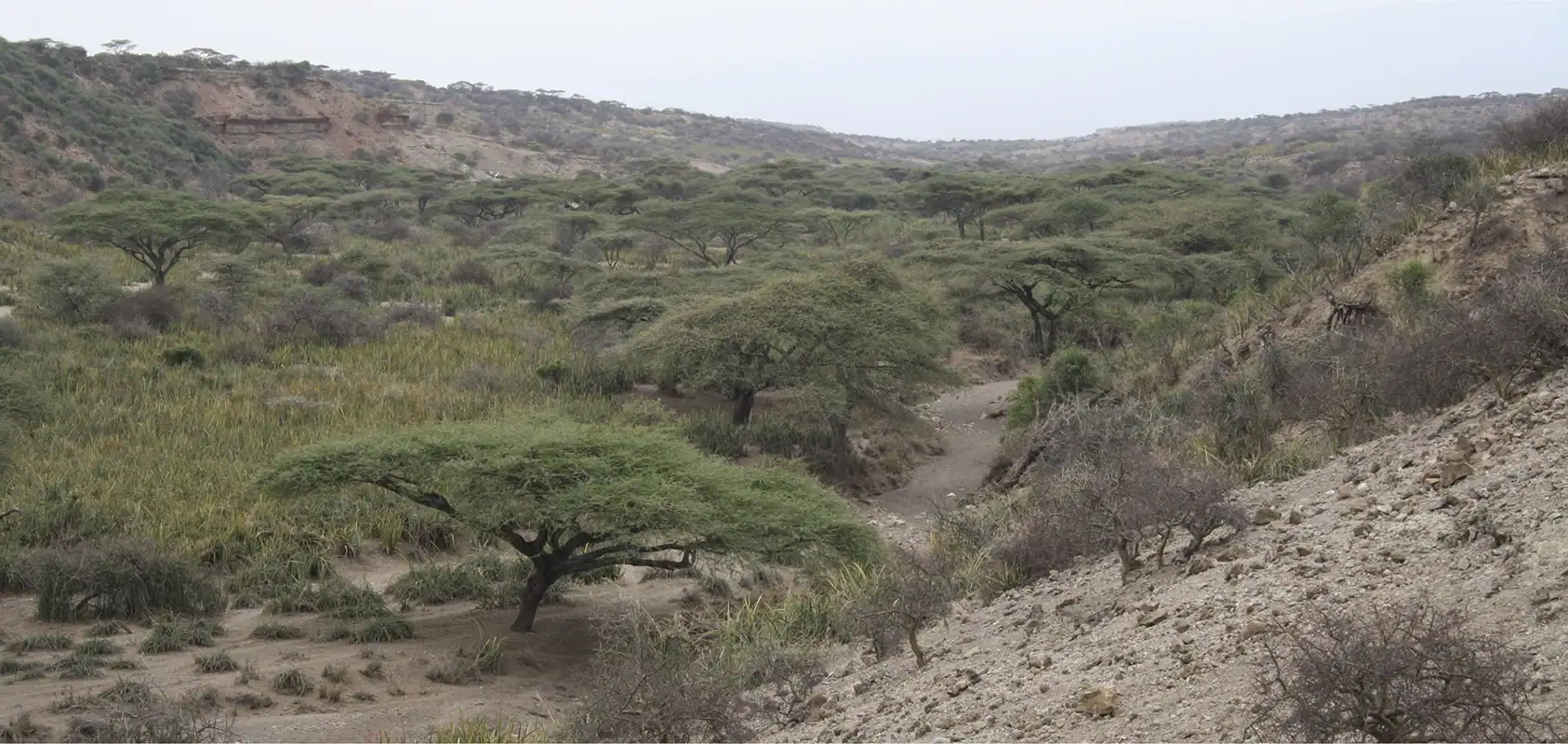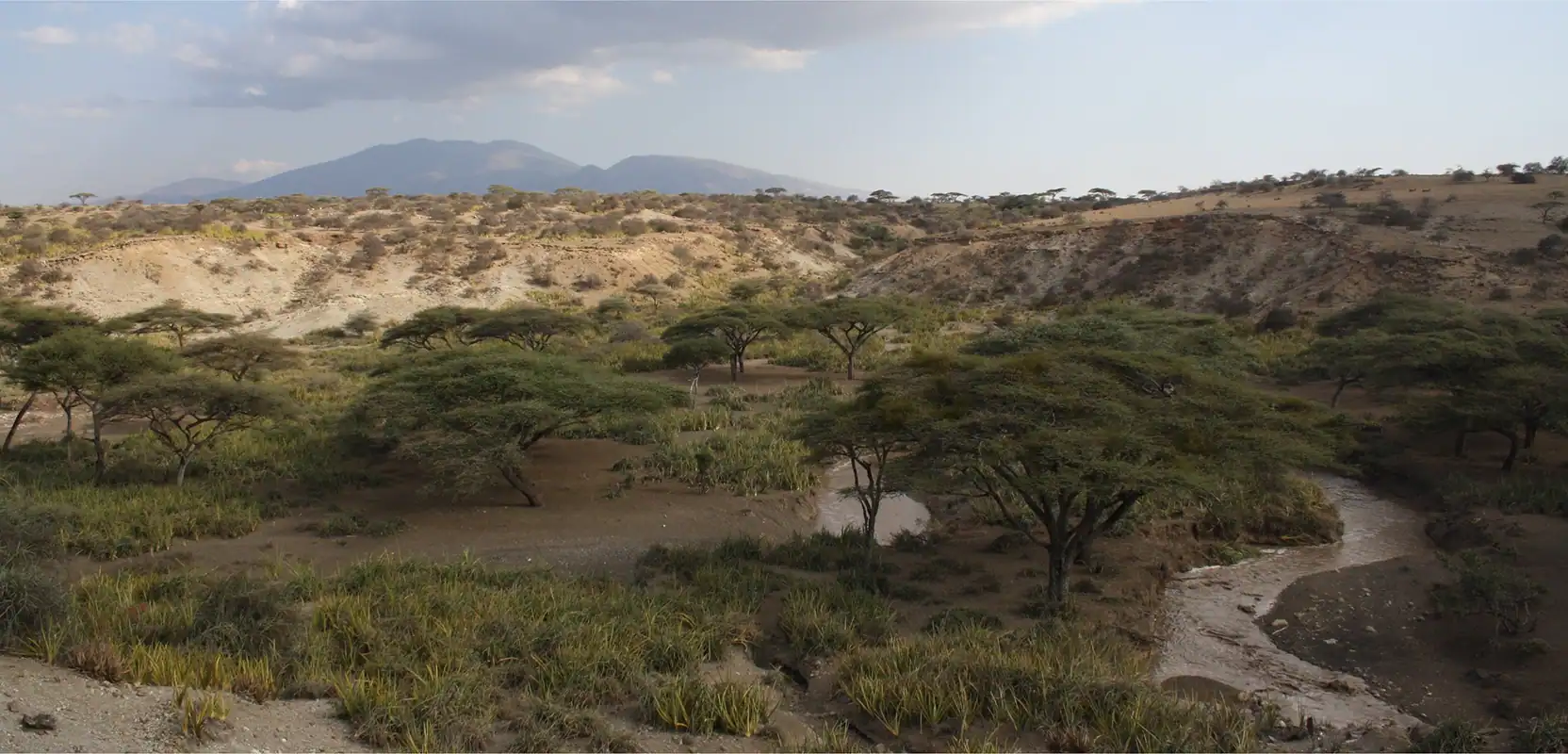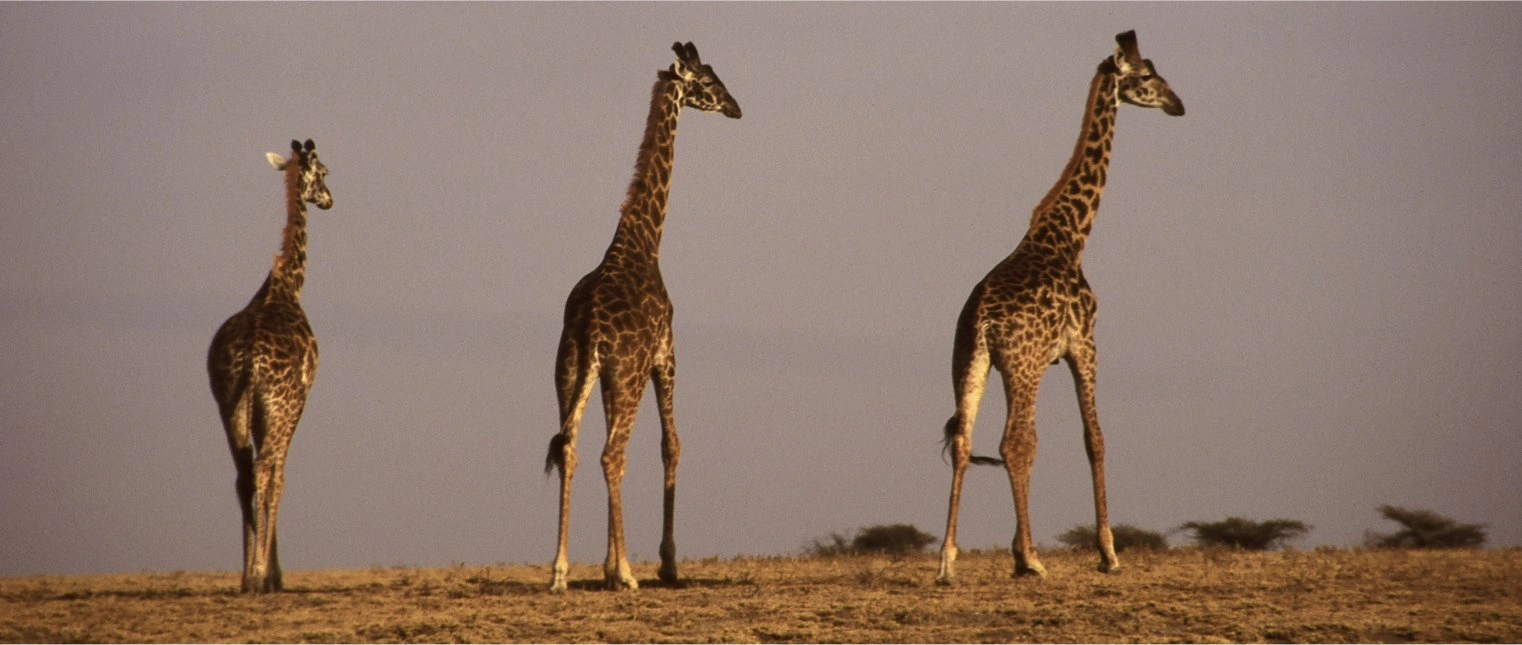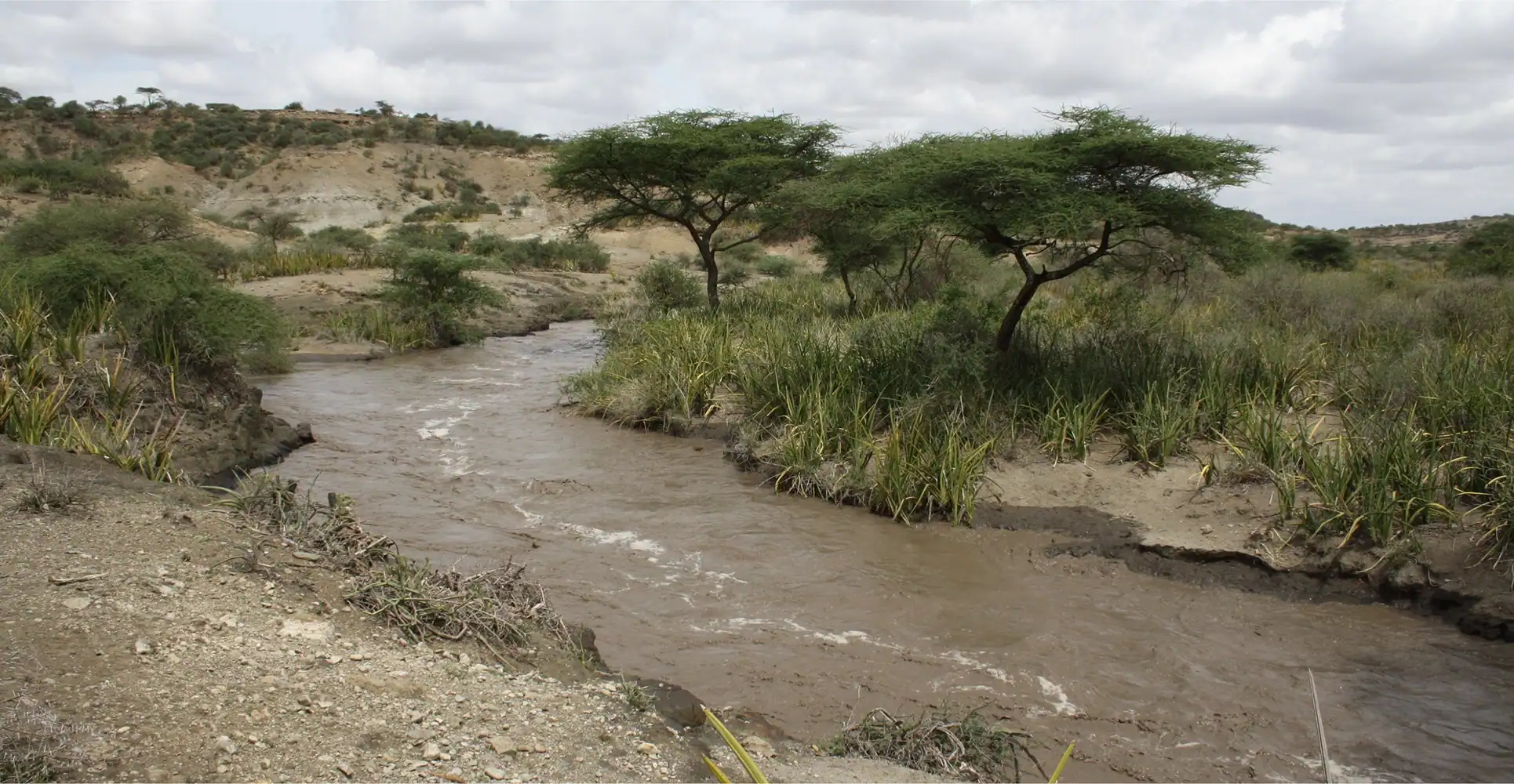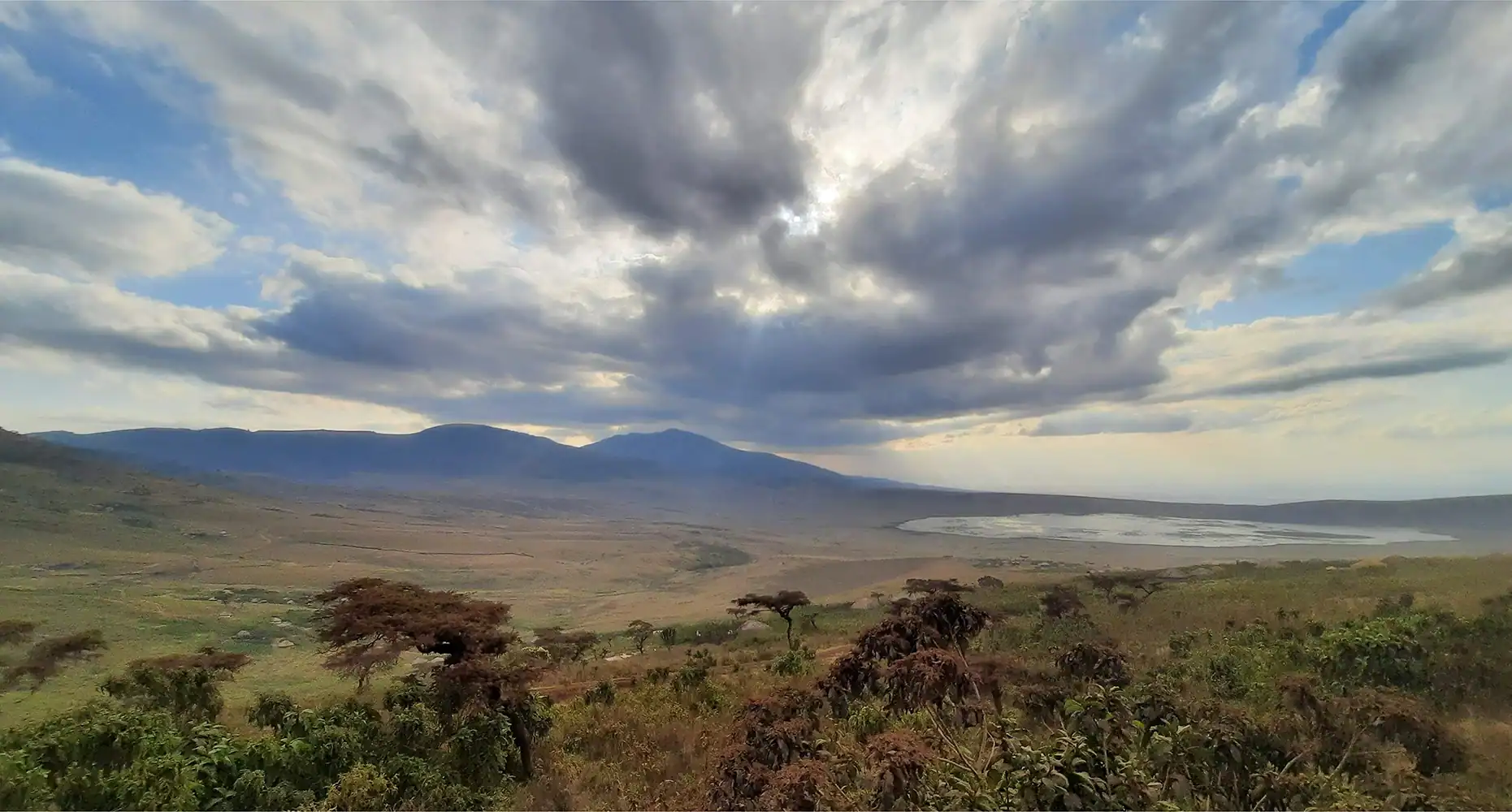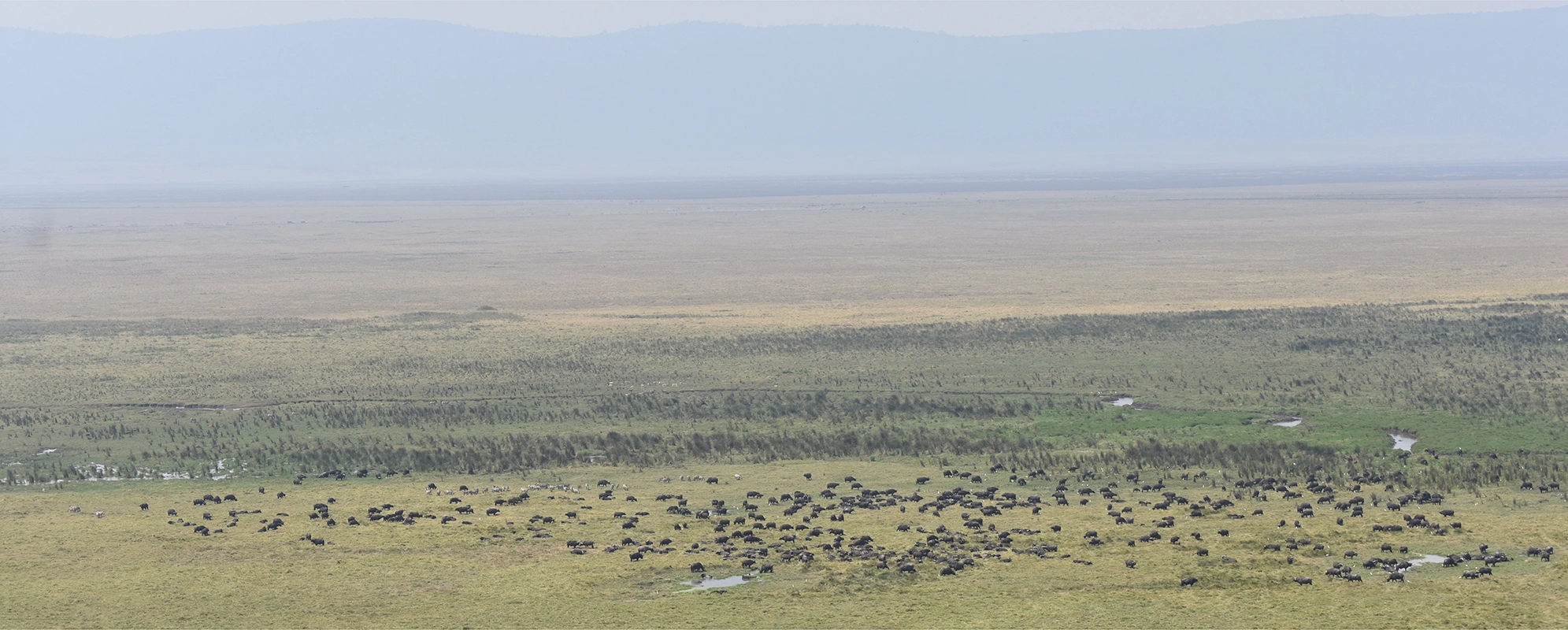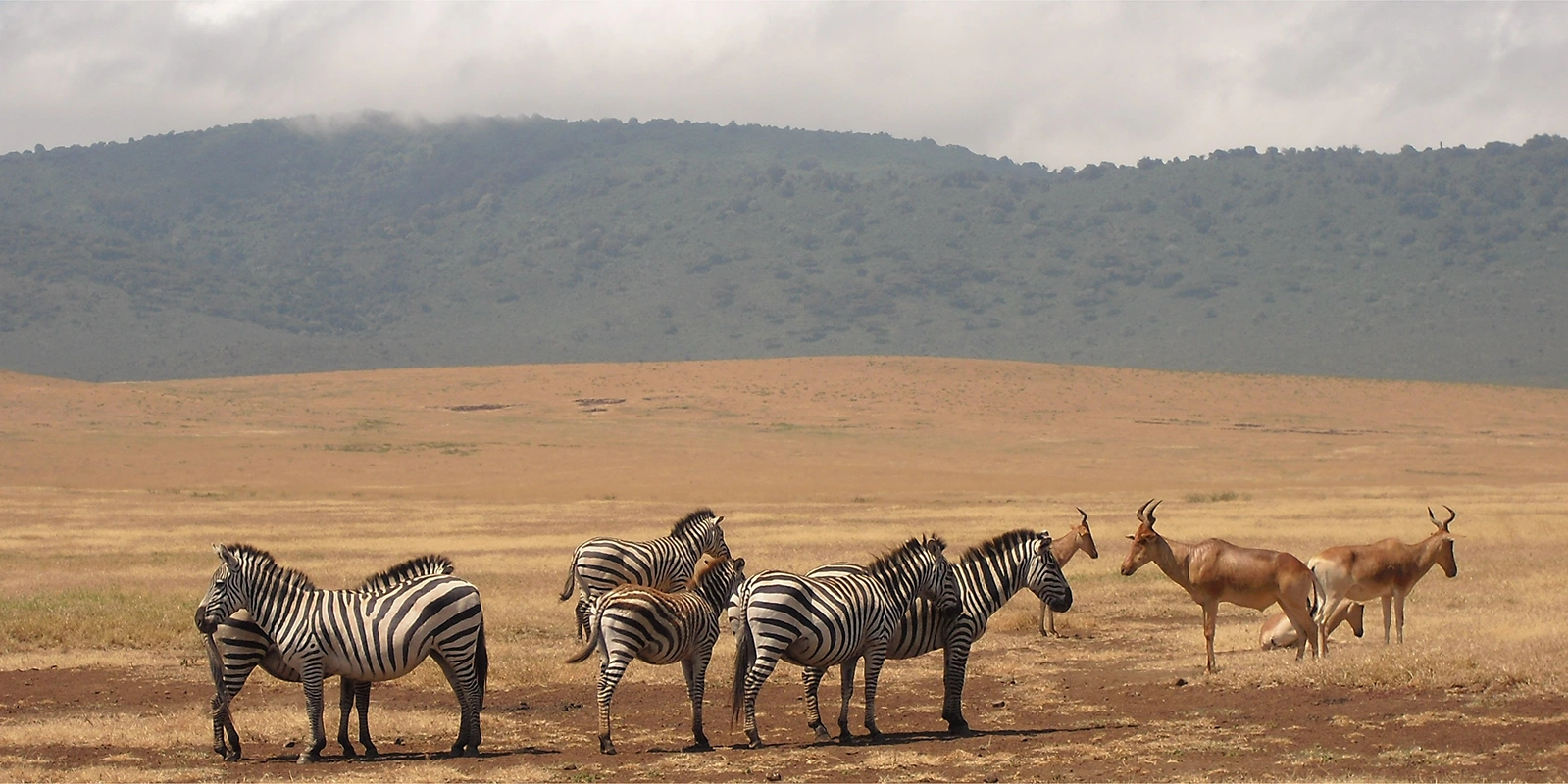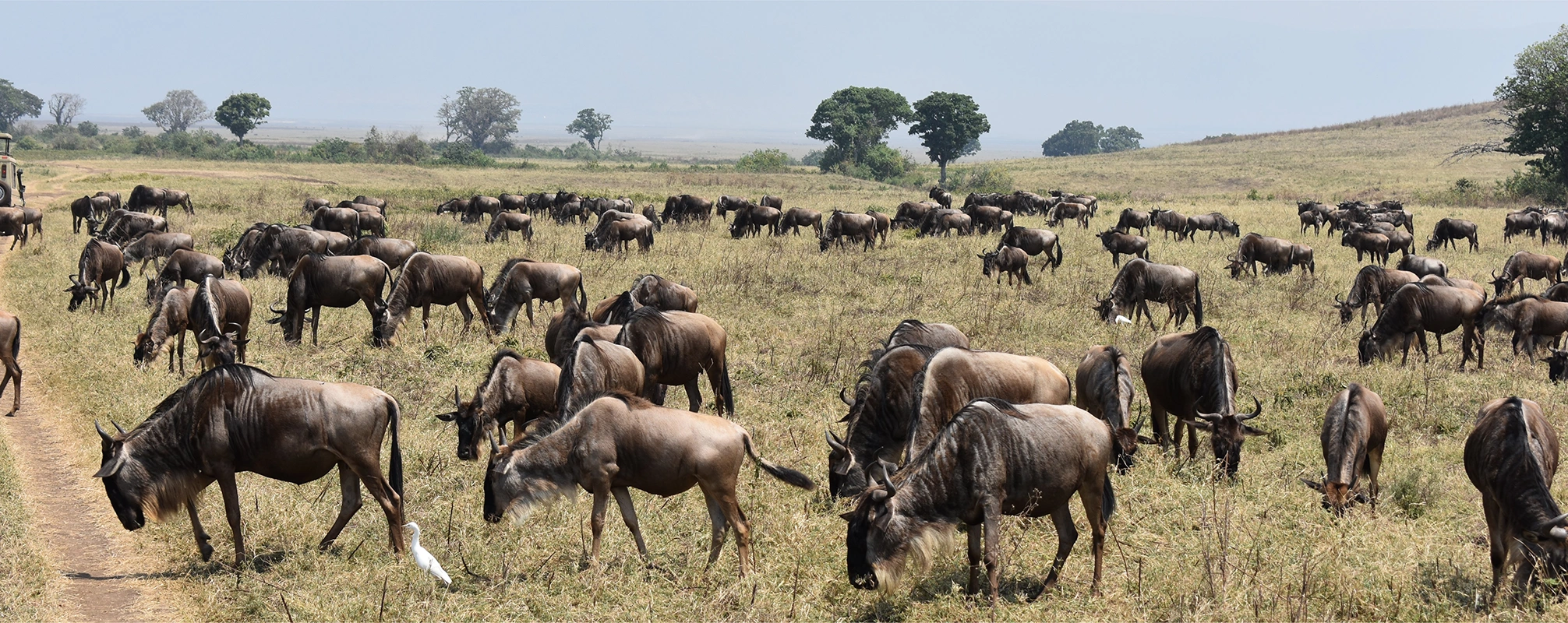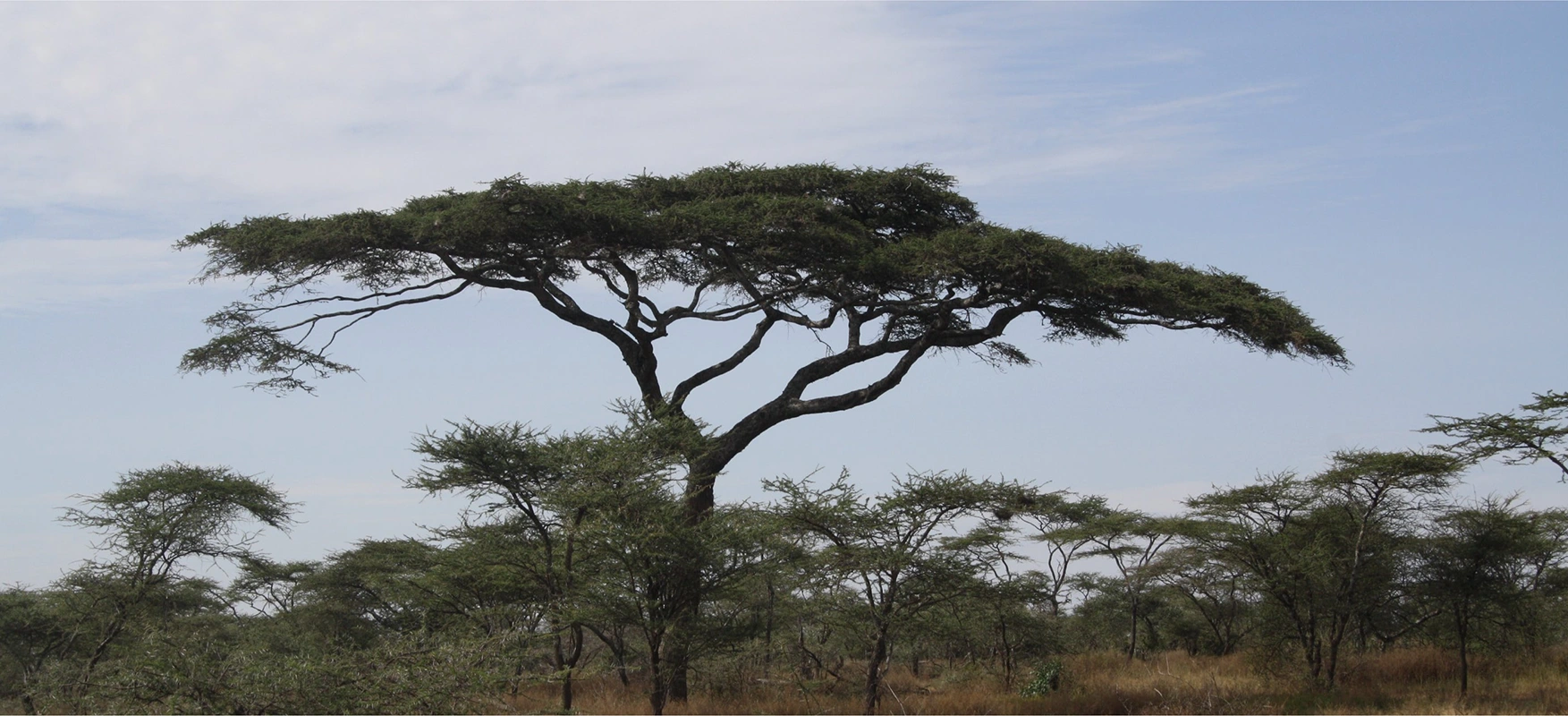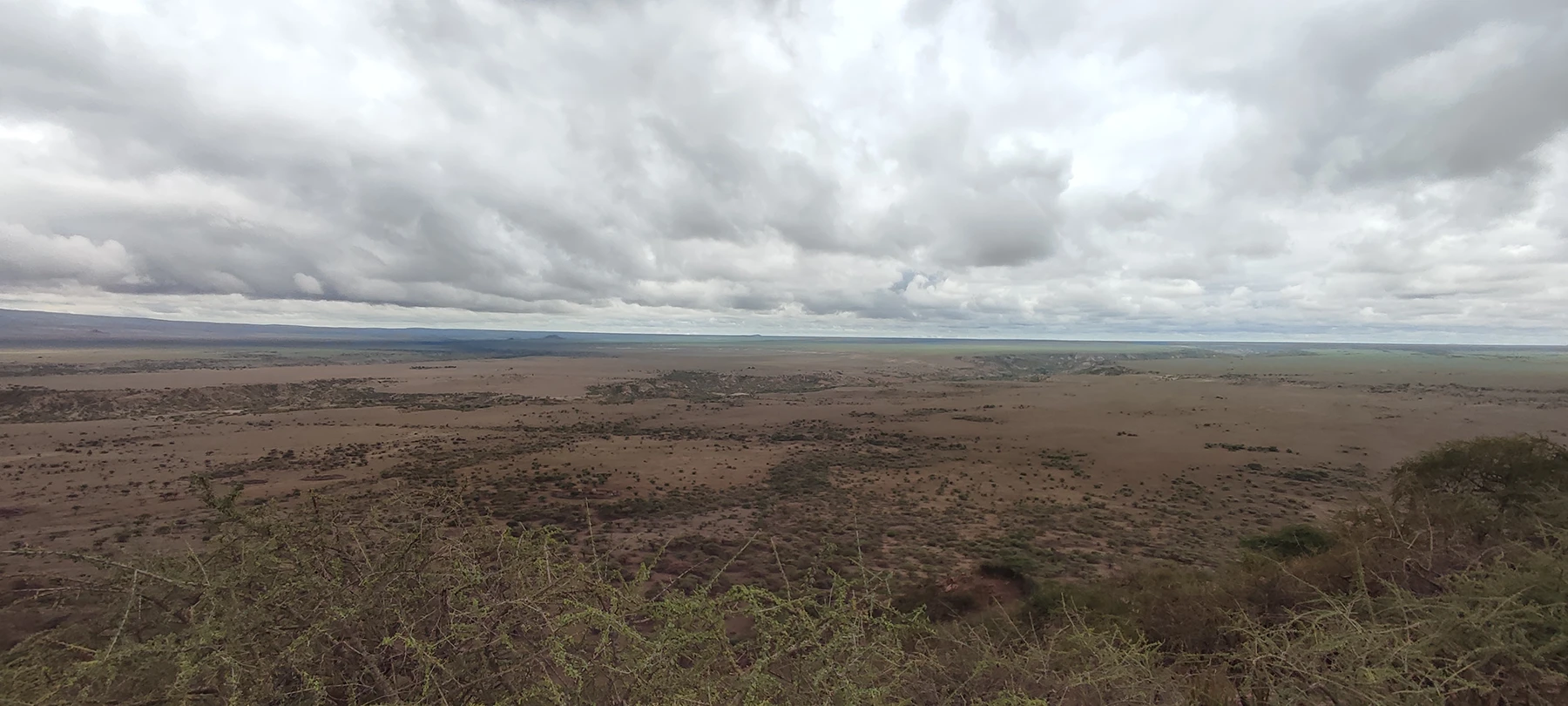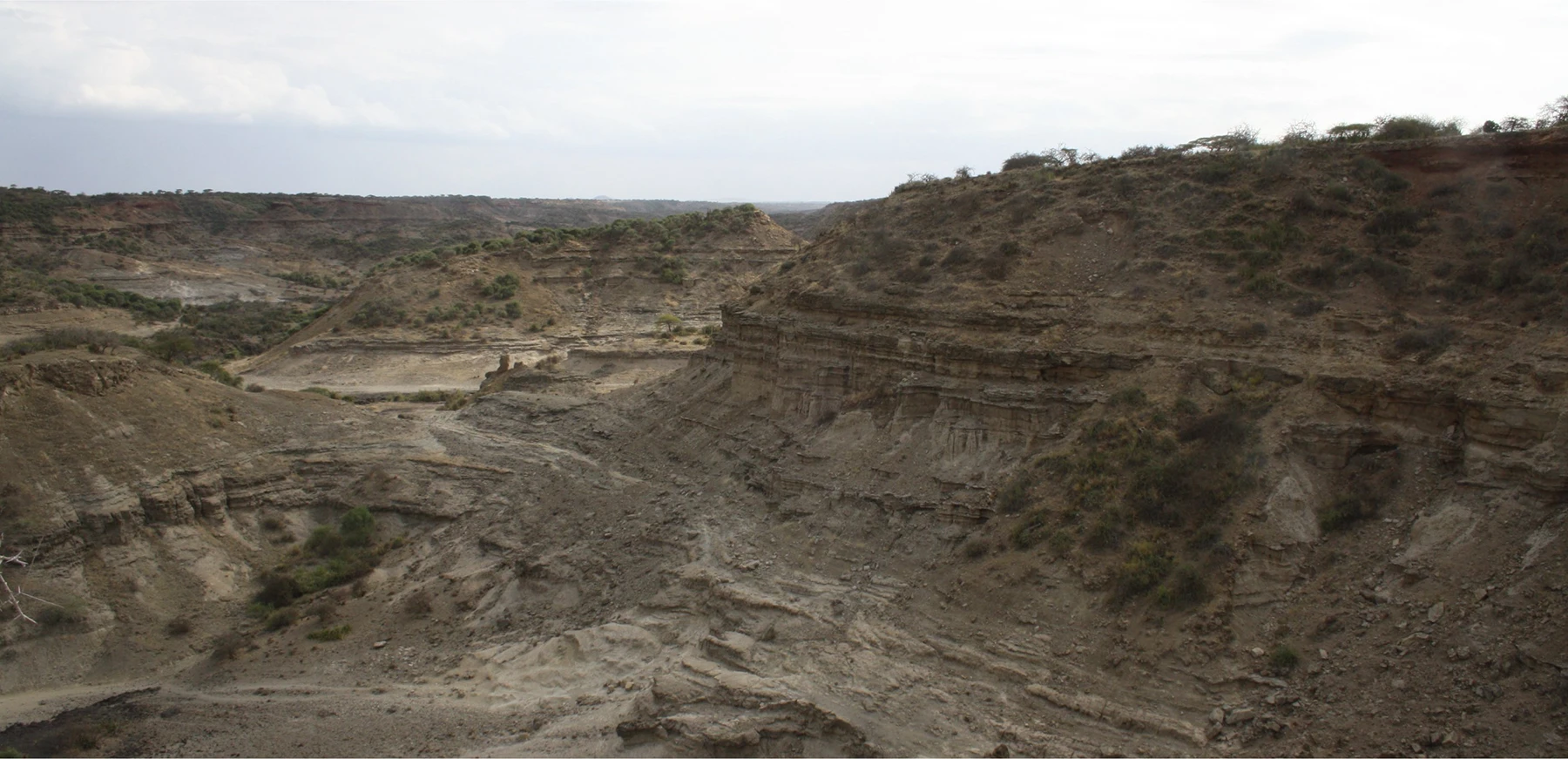


Homo ergaster appeared in Africa around 2 million years ago (Ma). It is often considered the first truly human species. It already had a modern body shape, a larger brain, could walk upright efficiently, and showed important advances in thinking and social behavior. It is thought that this species evolved in response to major environmental changes, especially the spread of drier, open savannahs in East Africa.
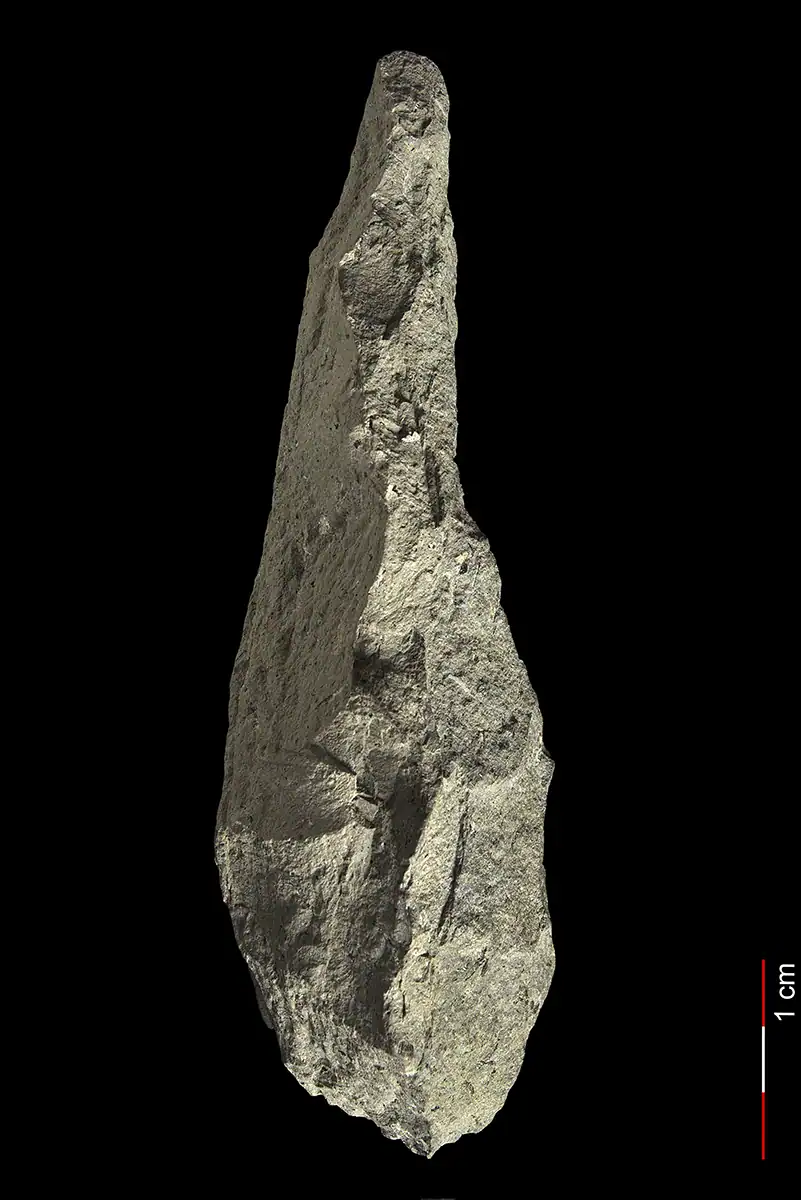
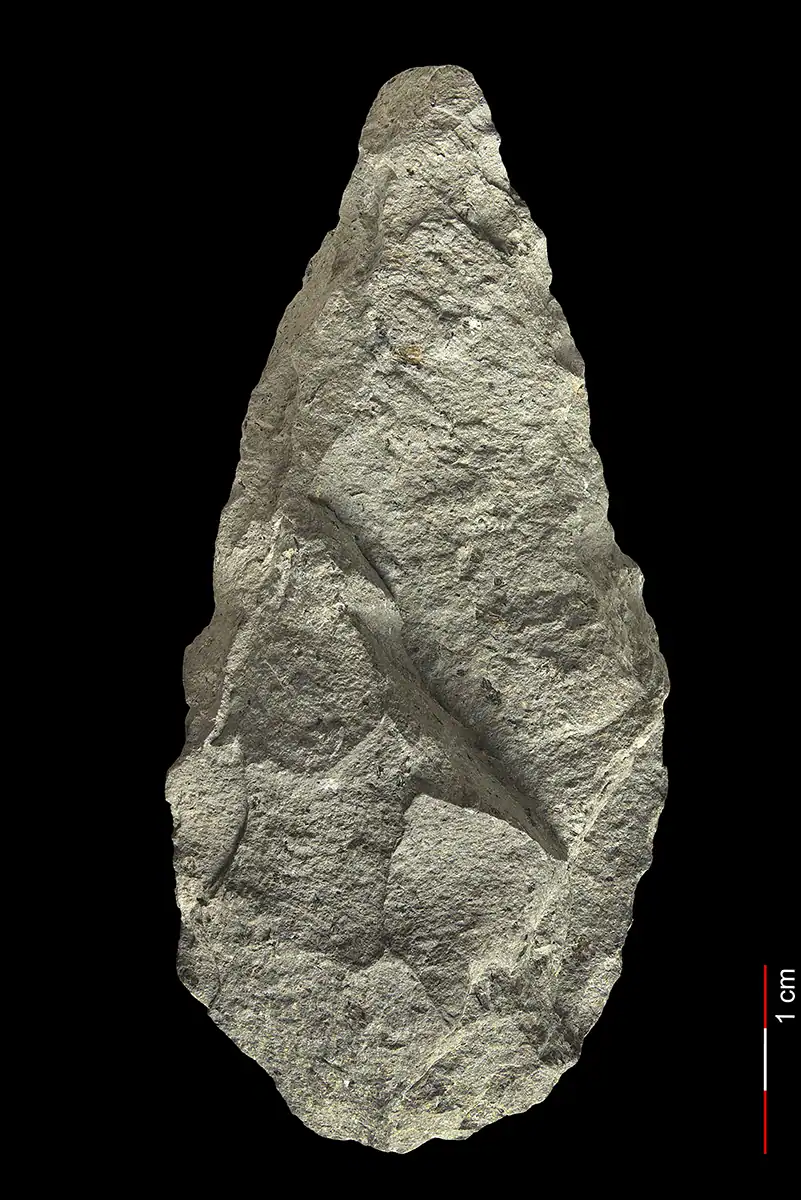
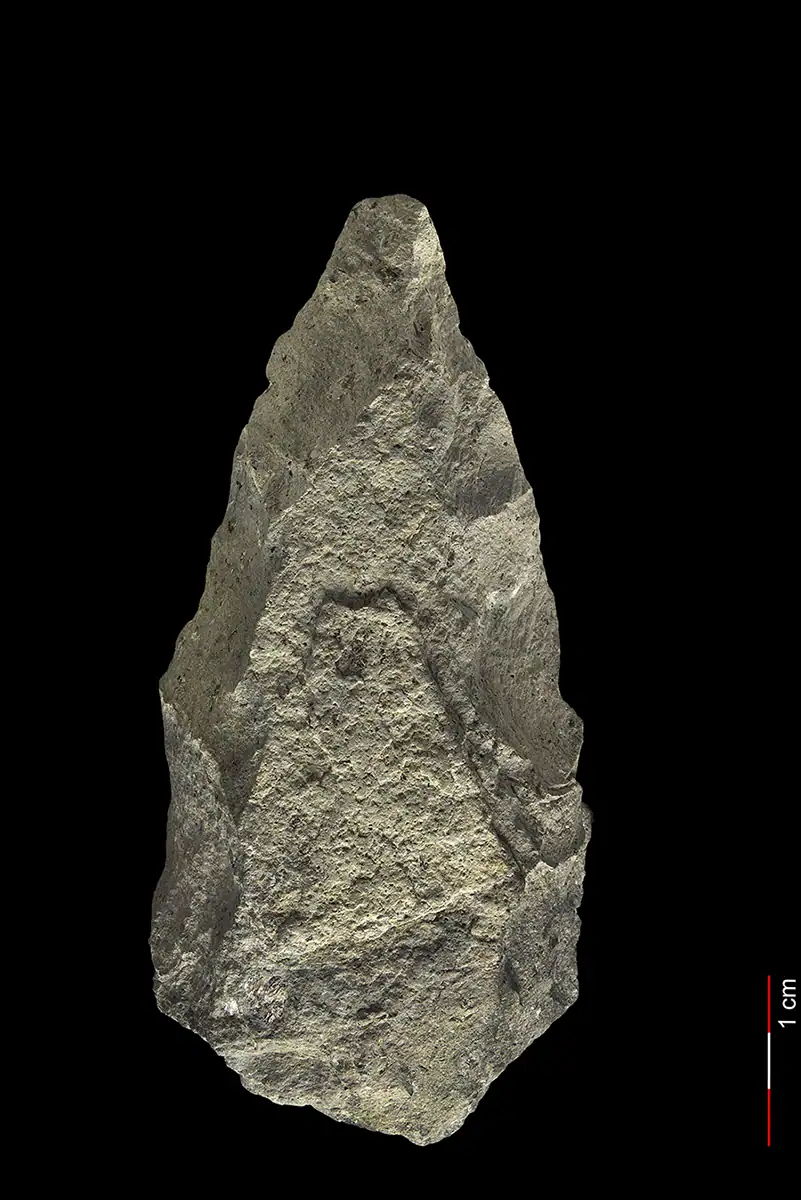
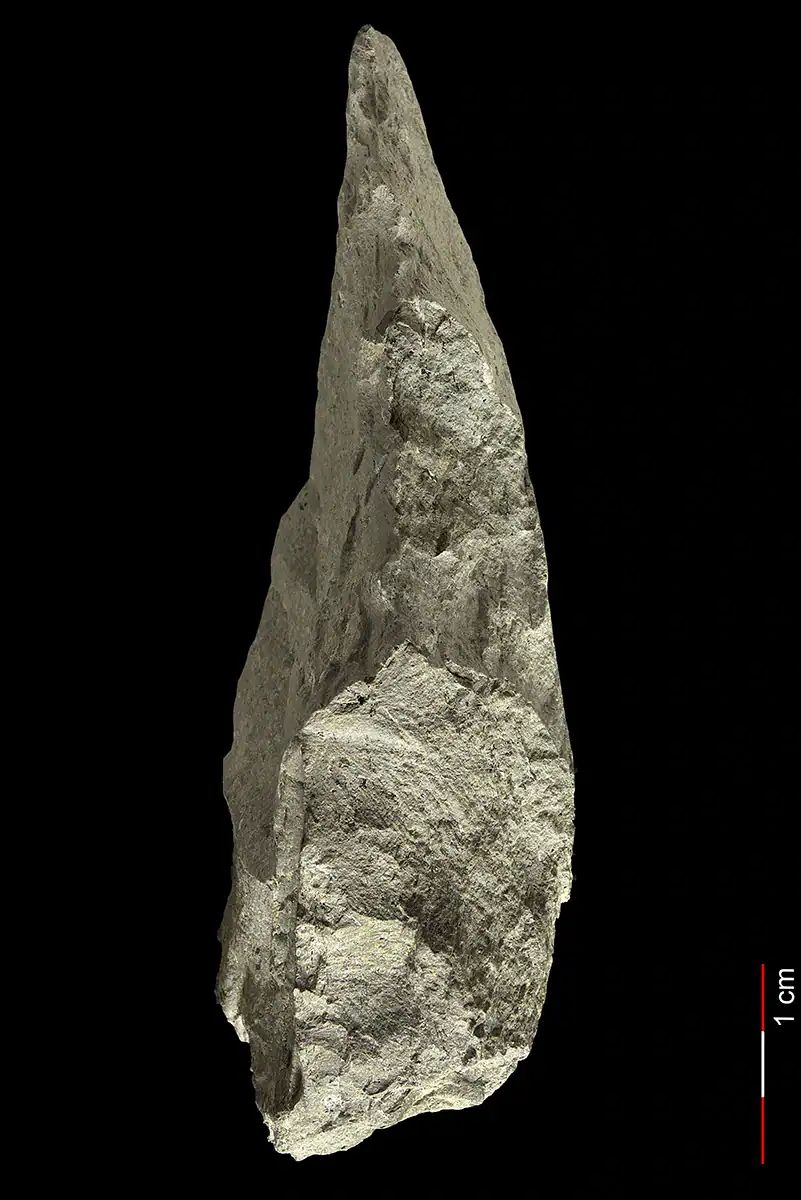
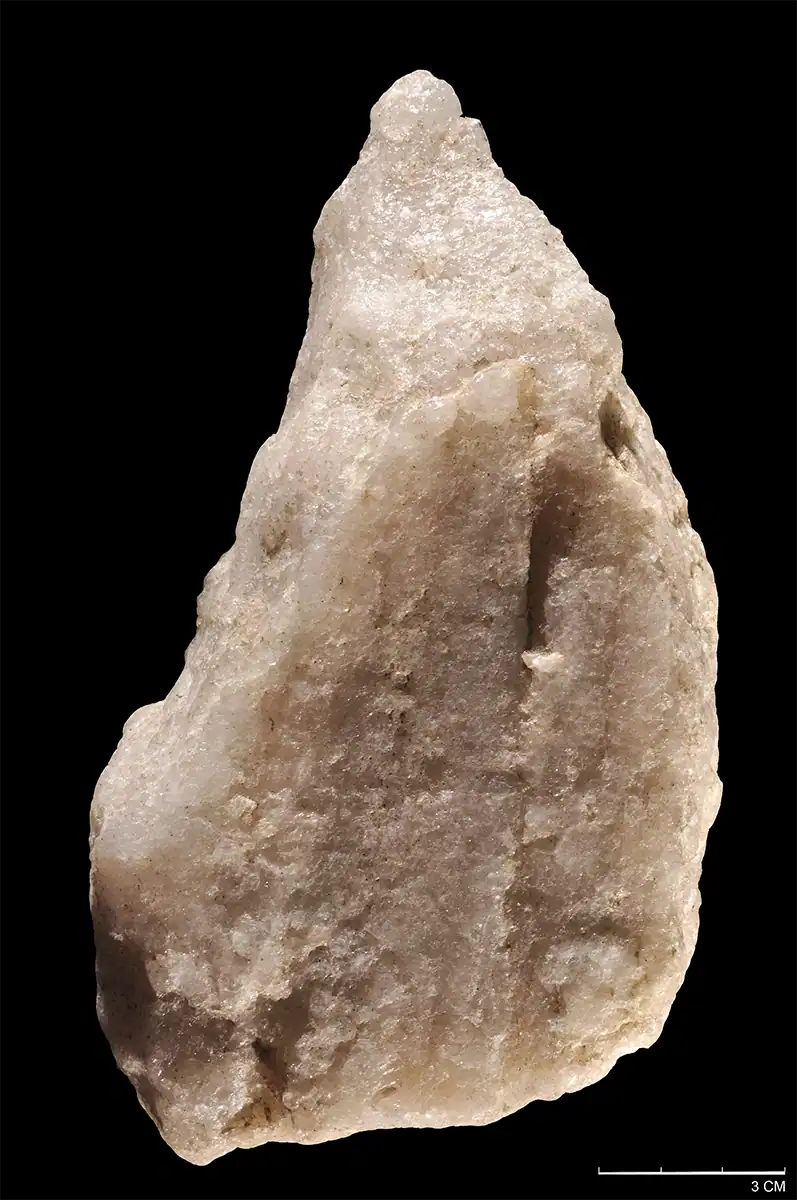
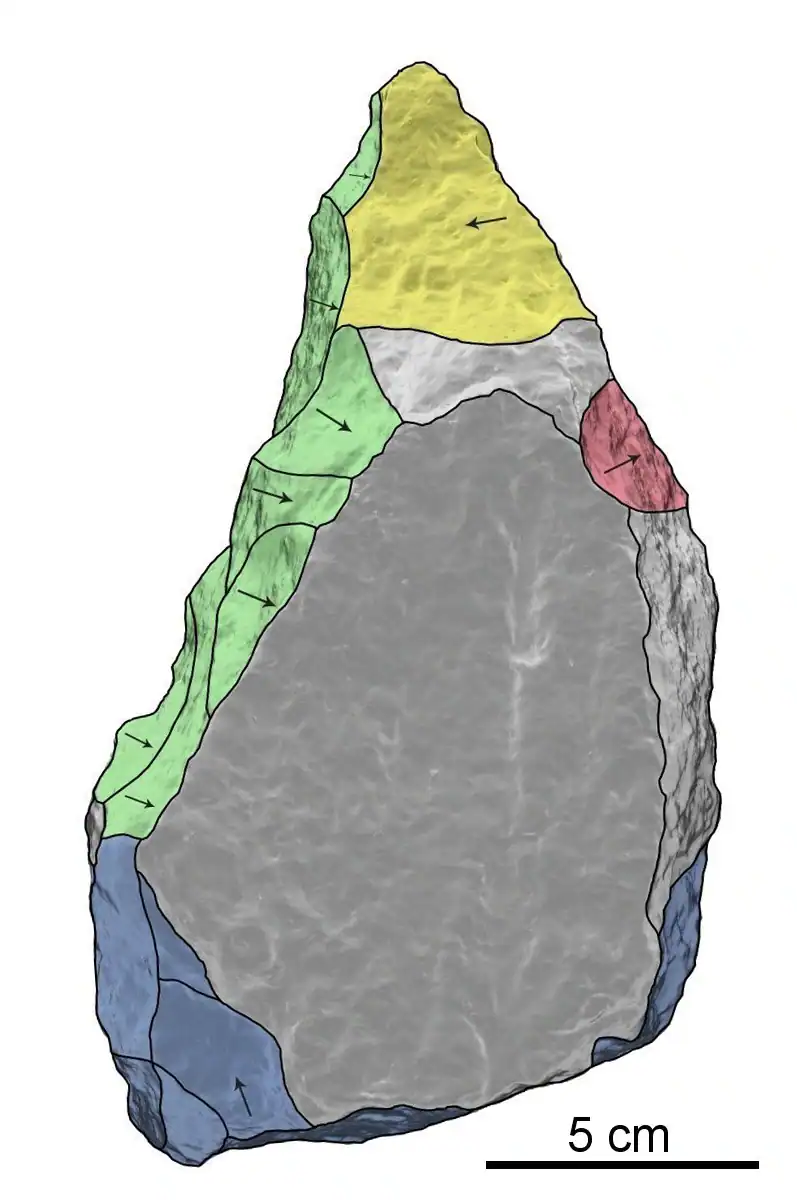
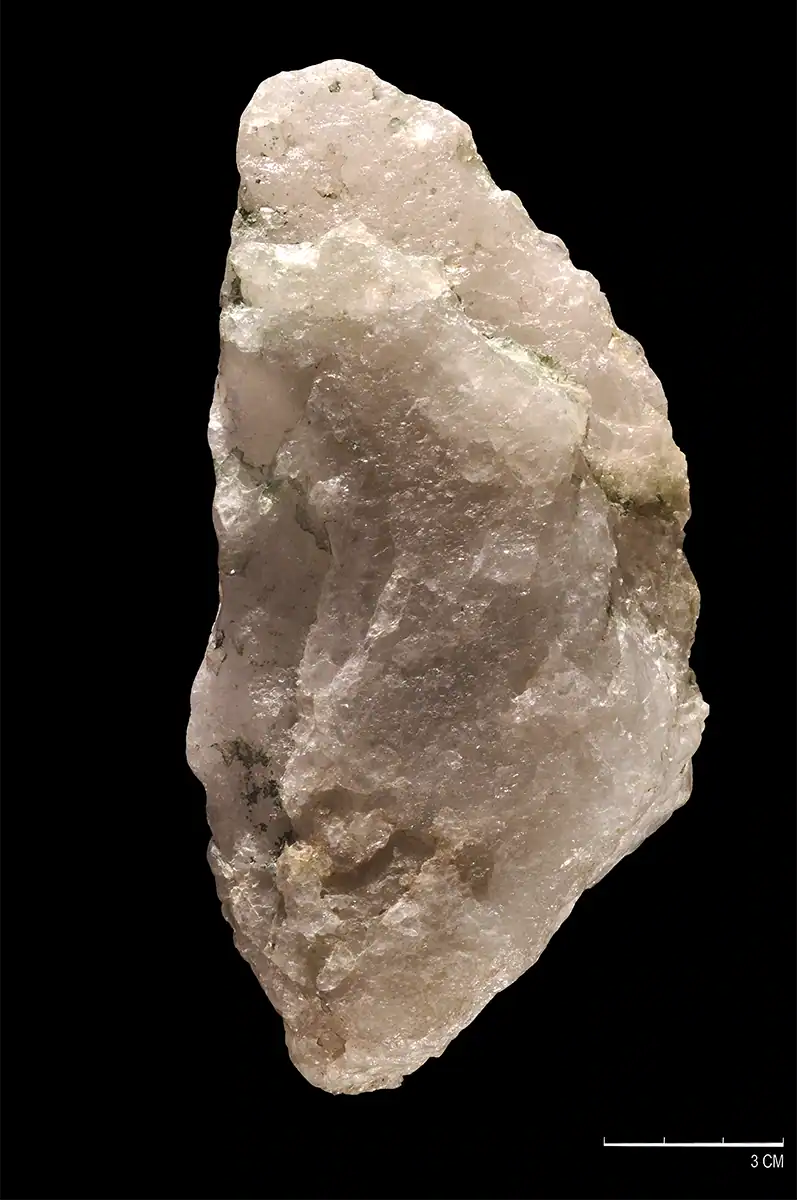
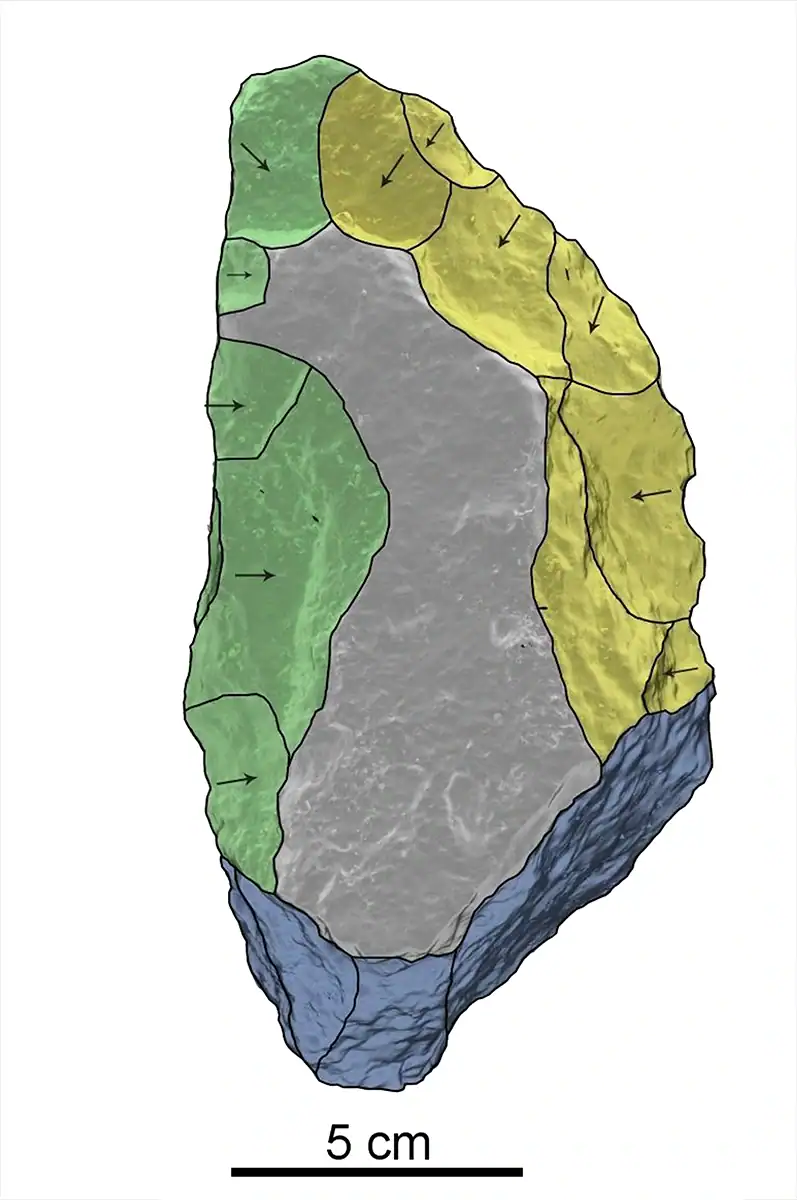
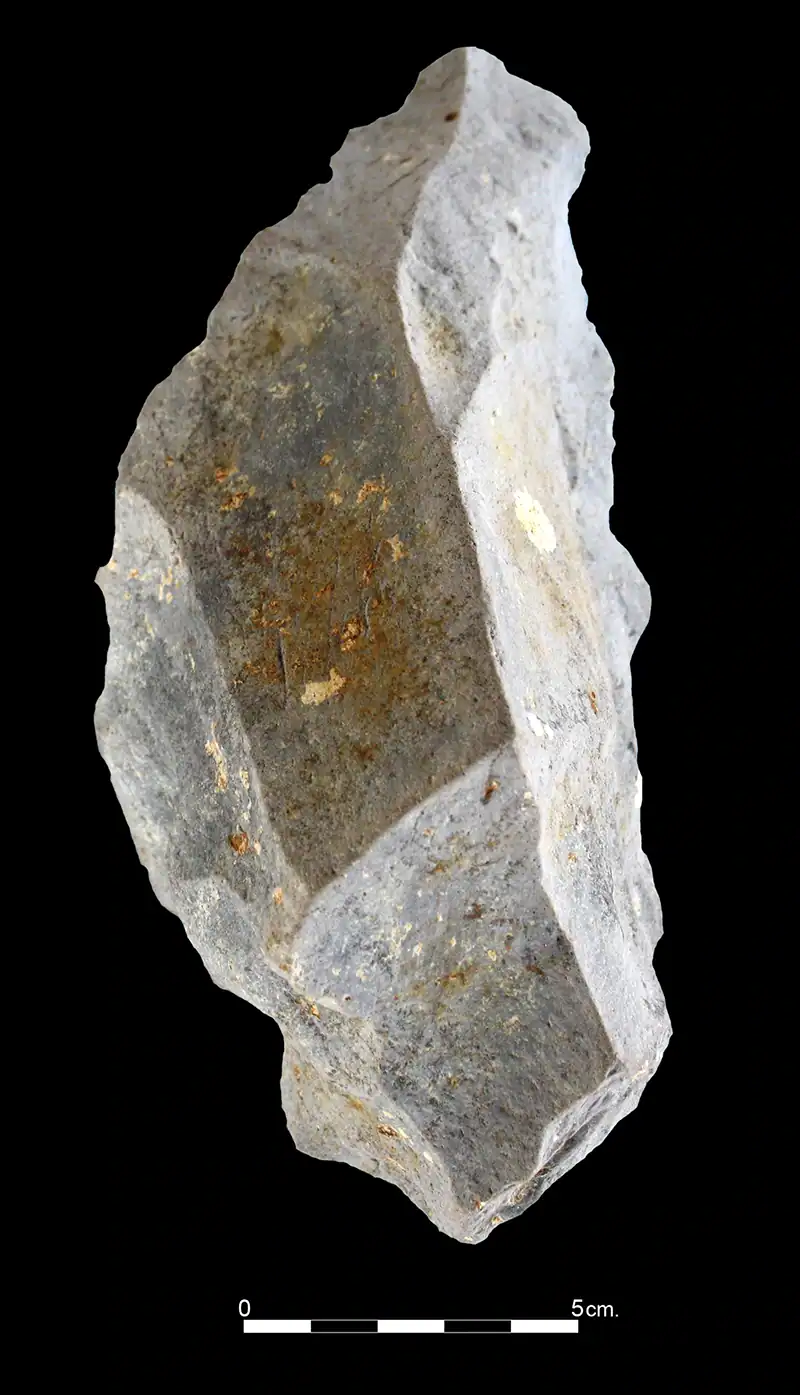
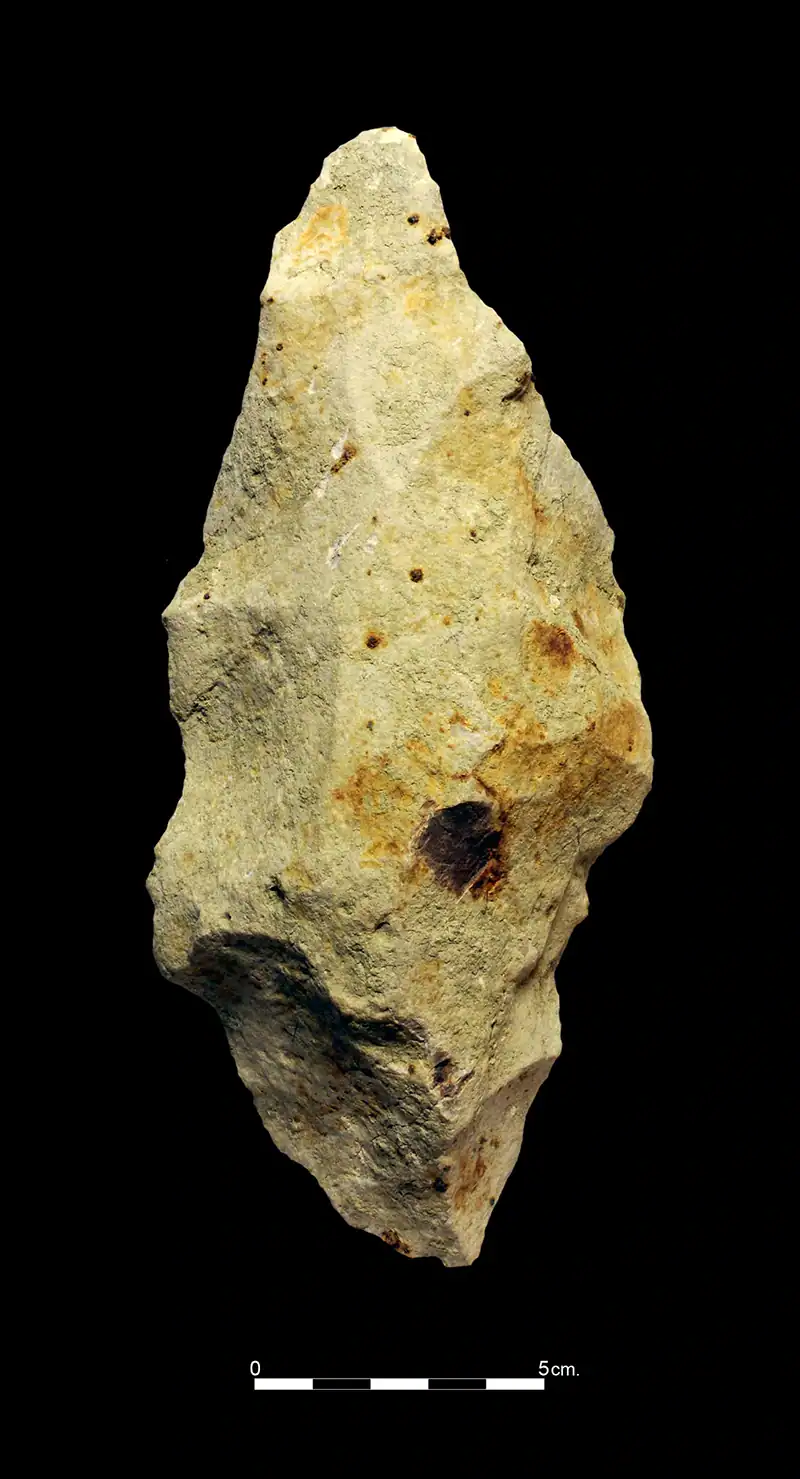
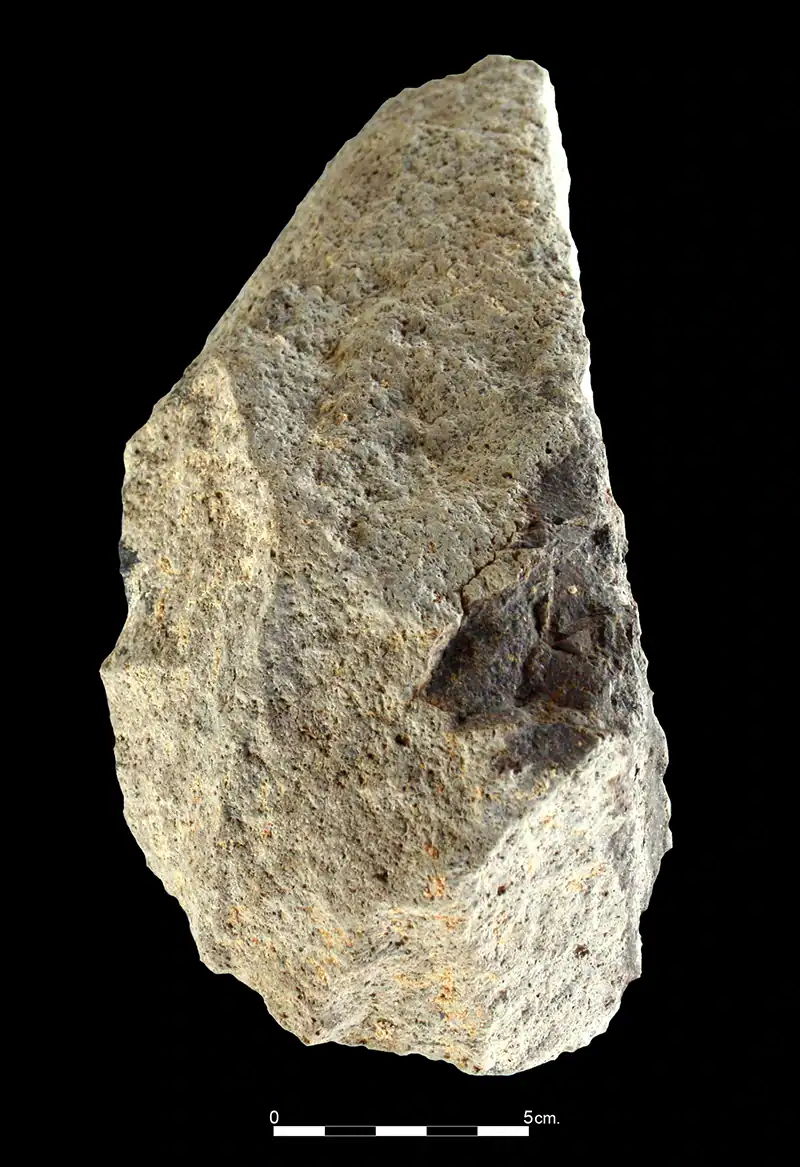
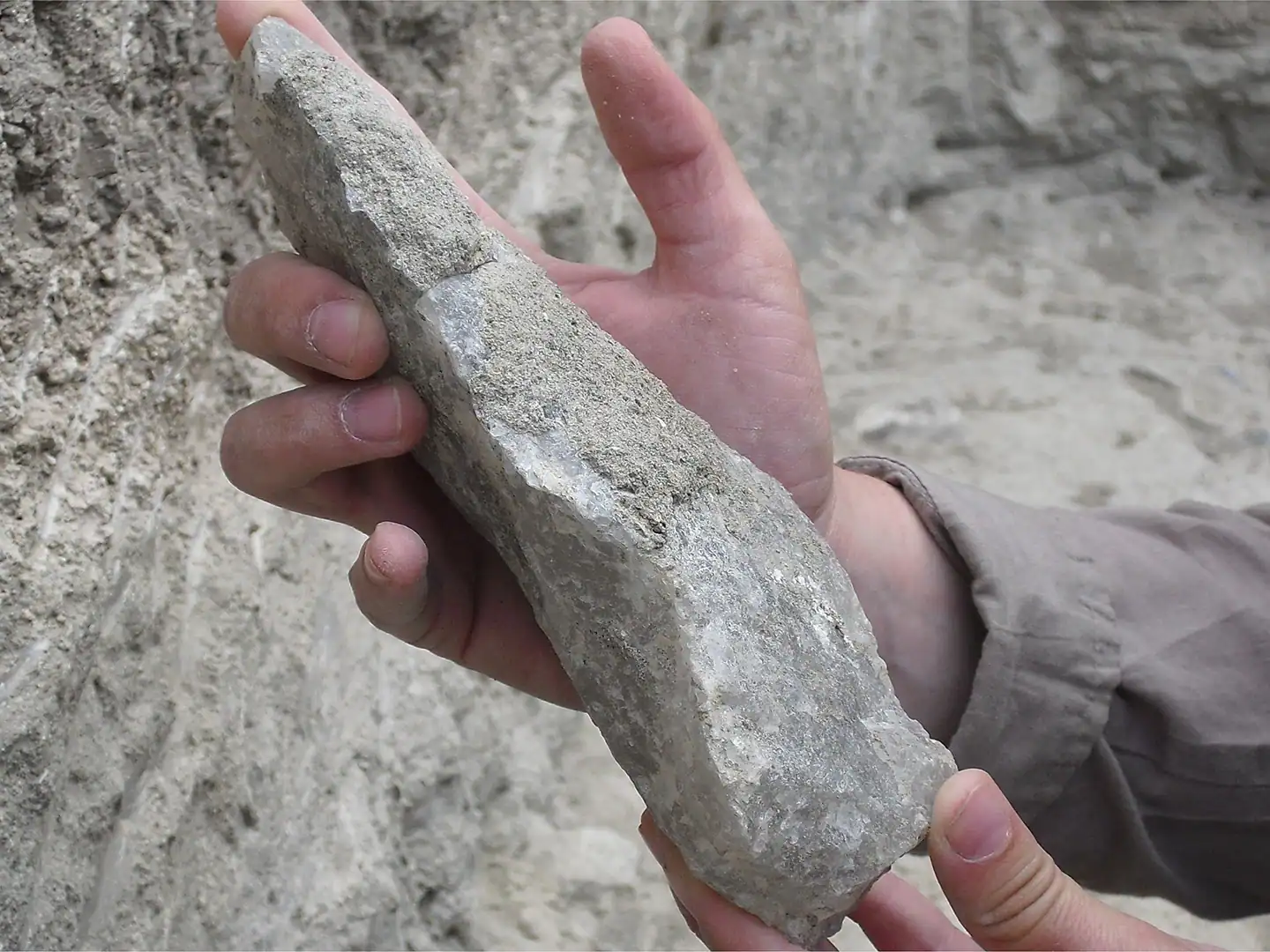
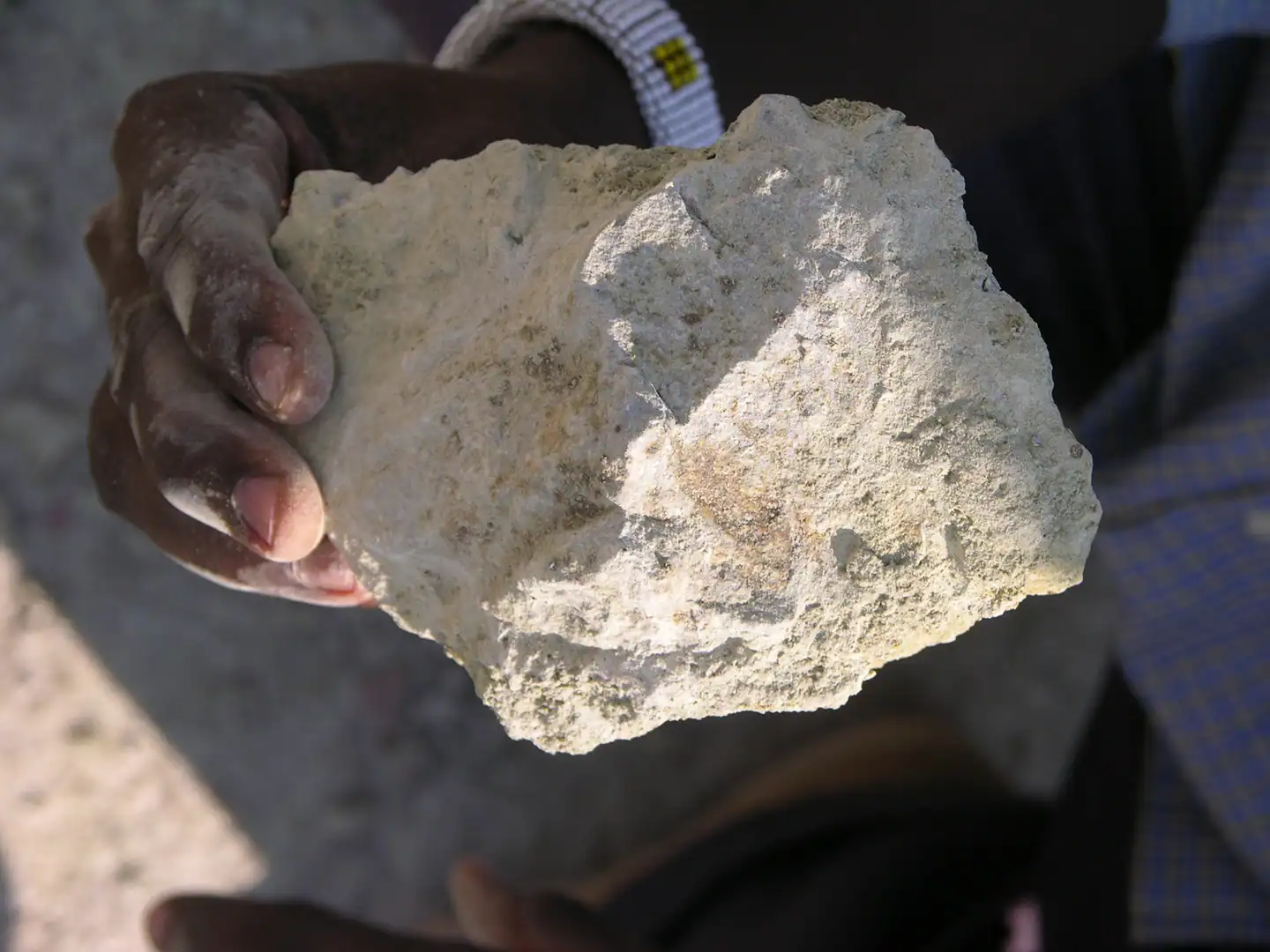
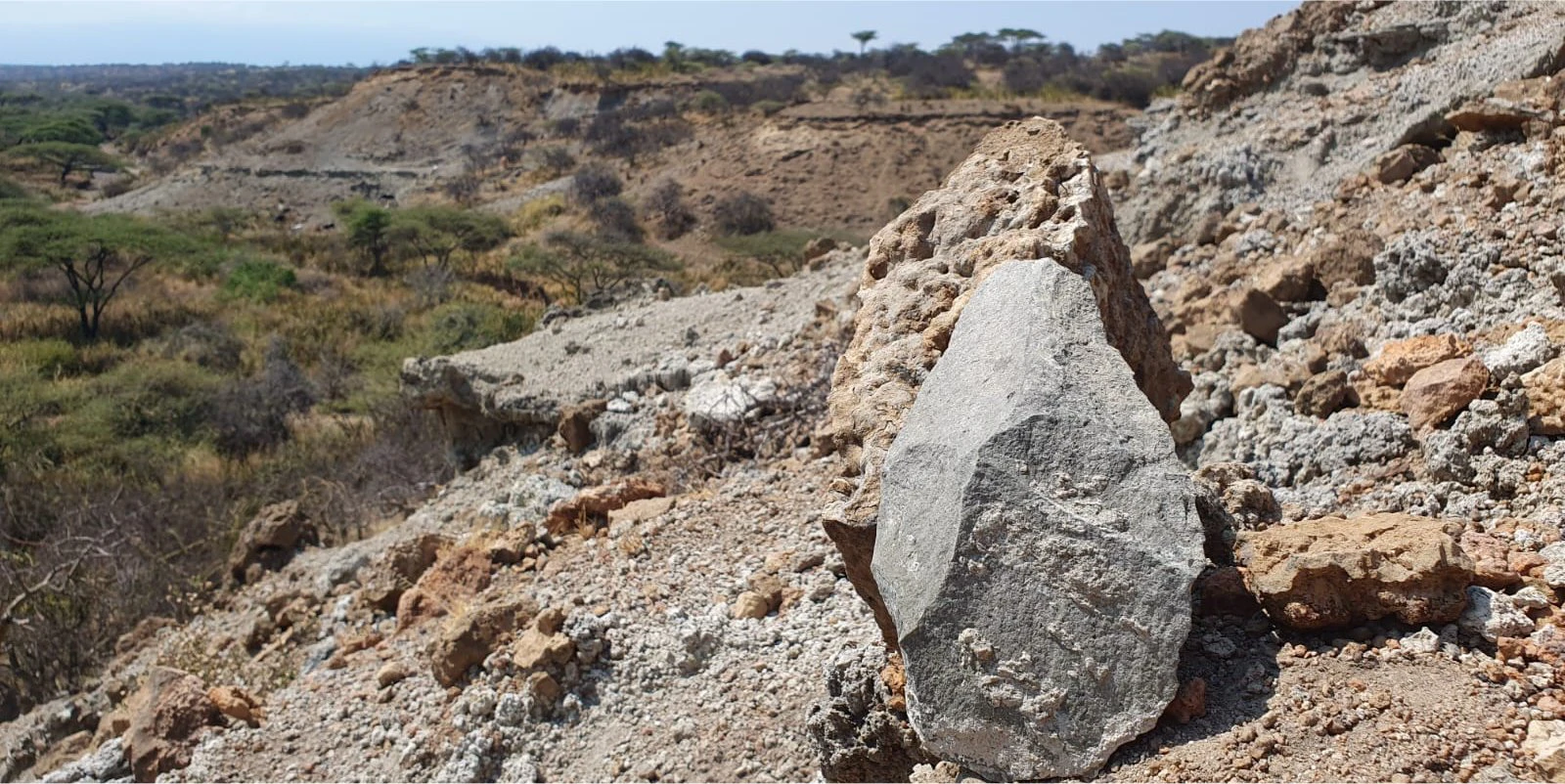
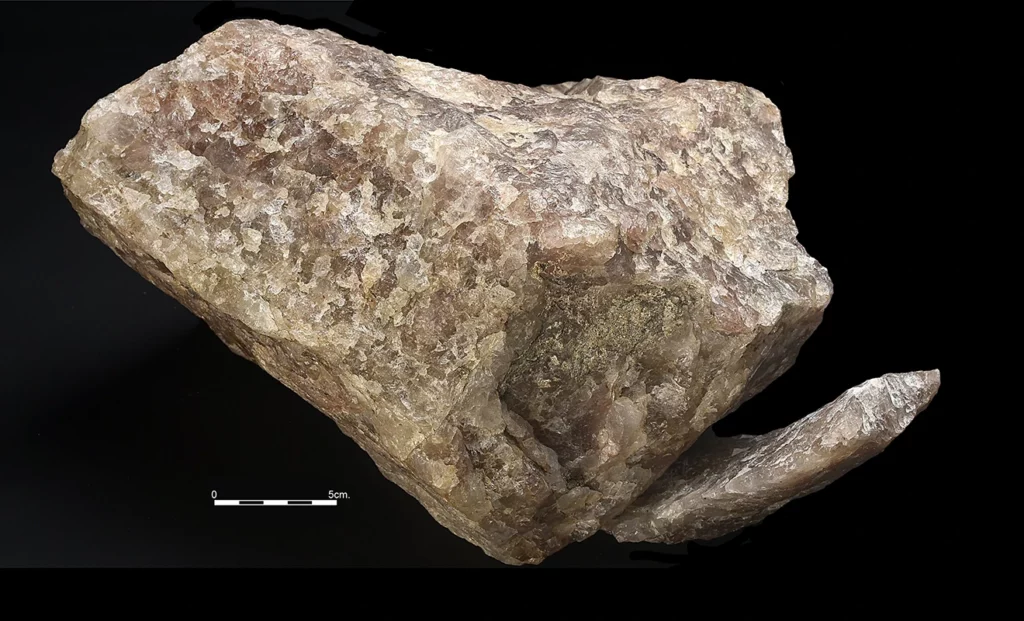
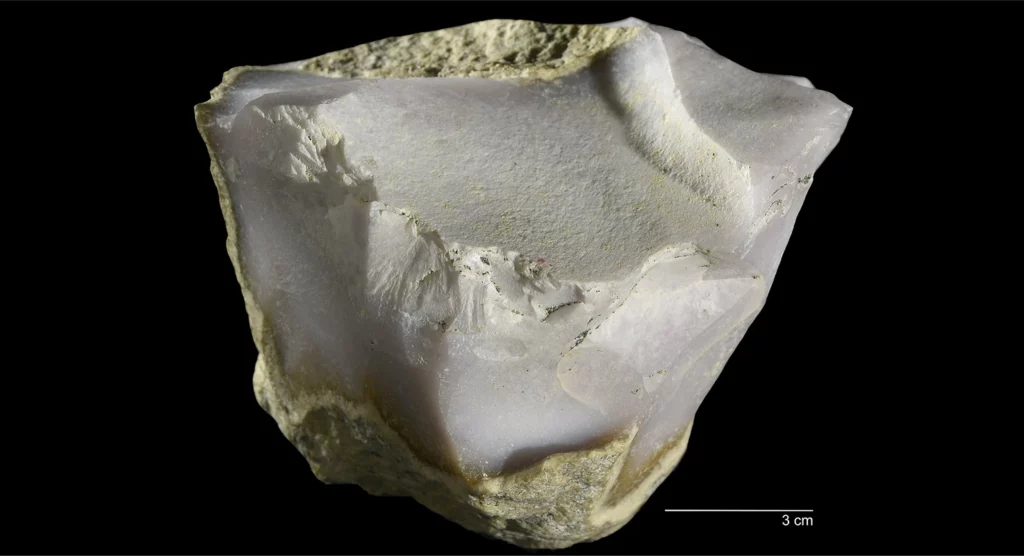
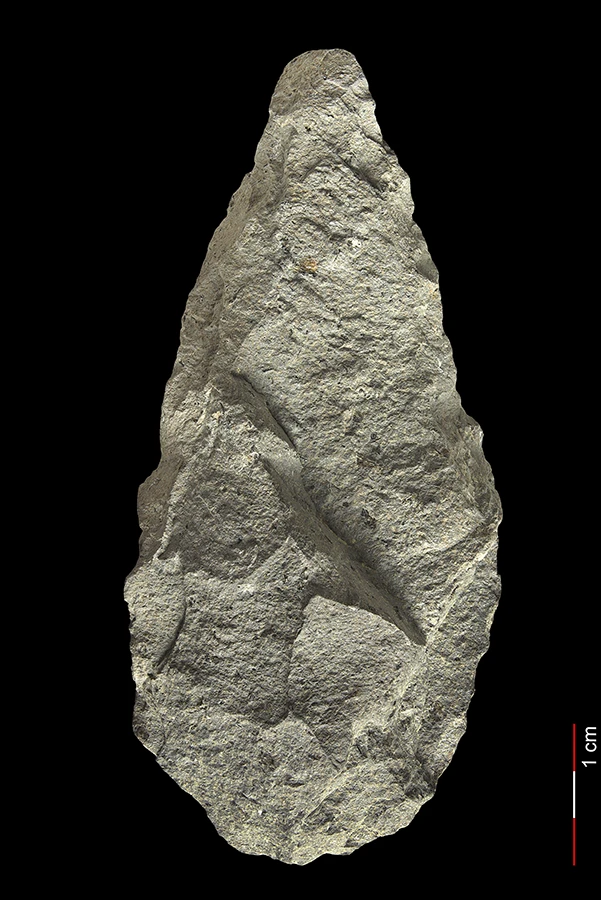
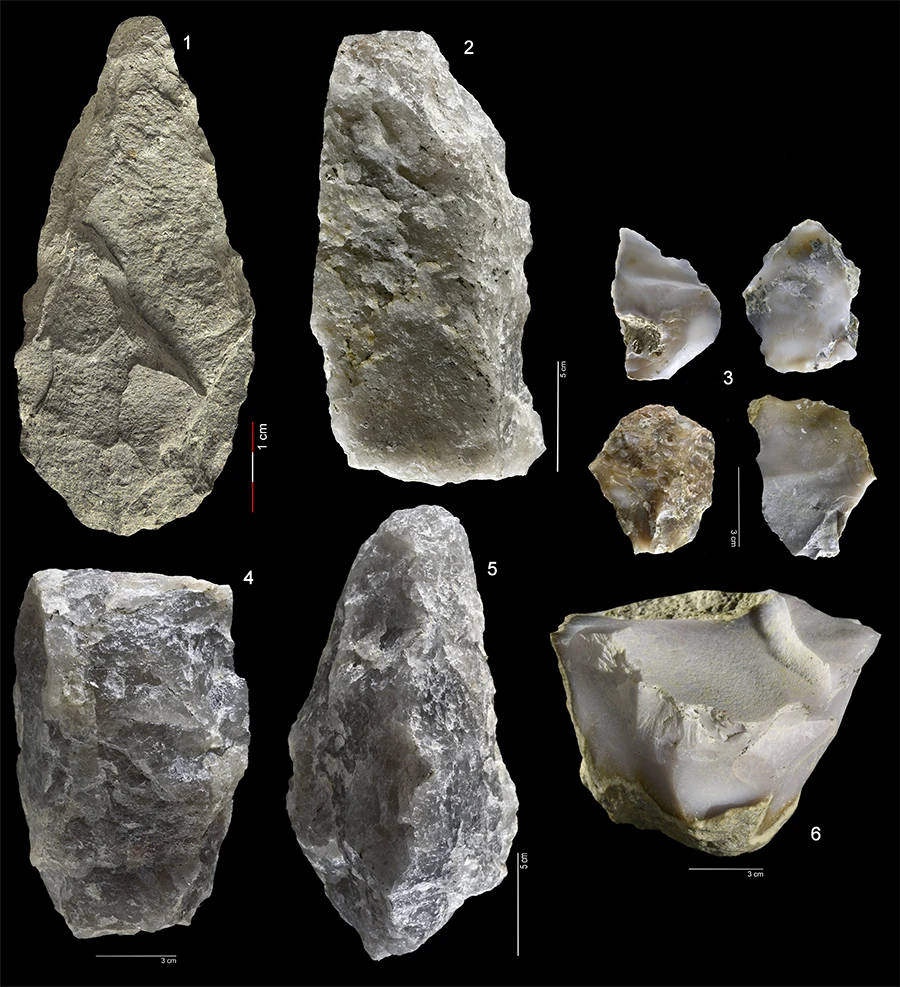
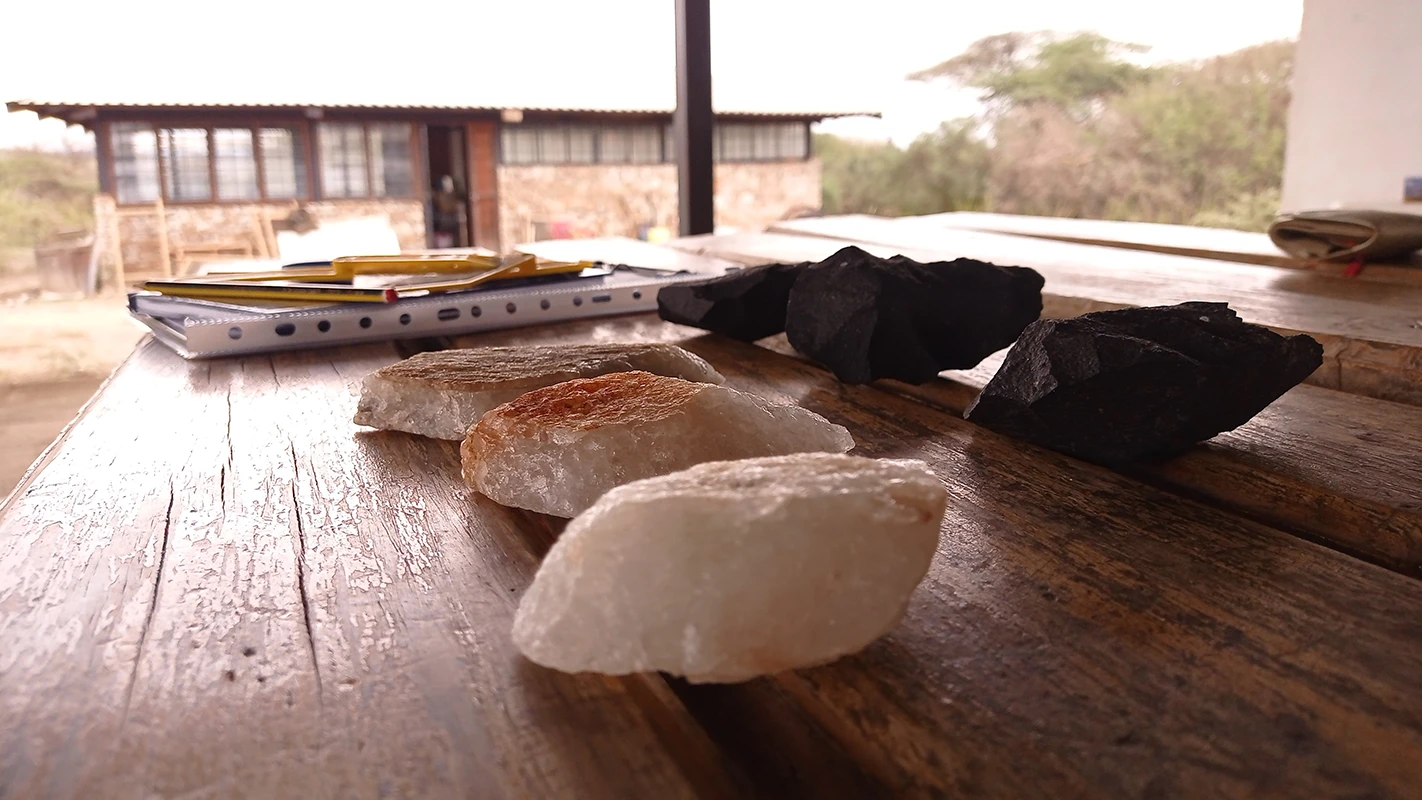
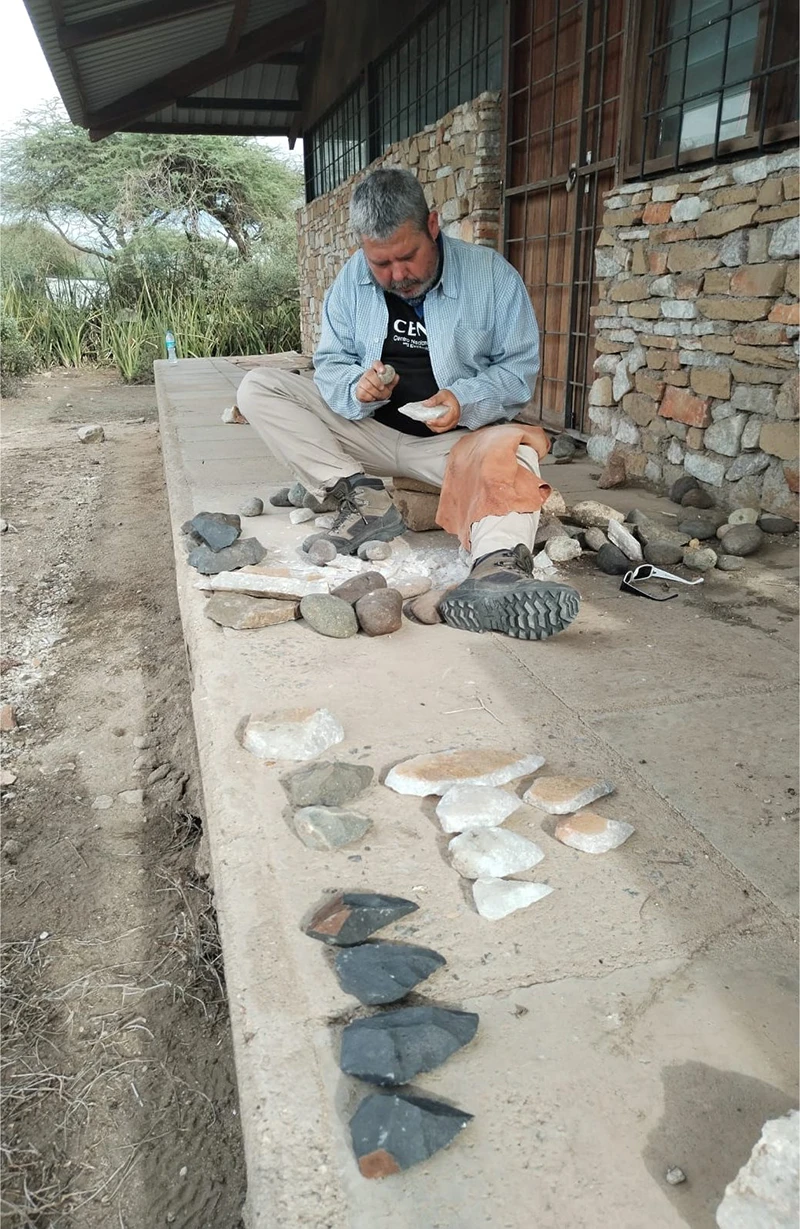
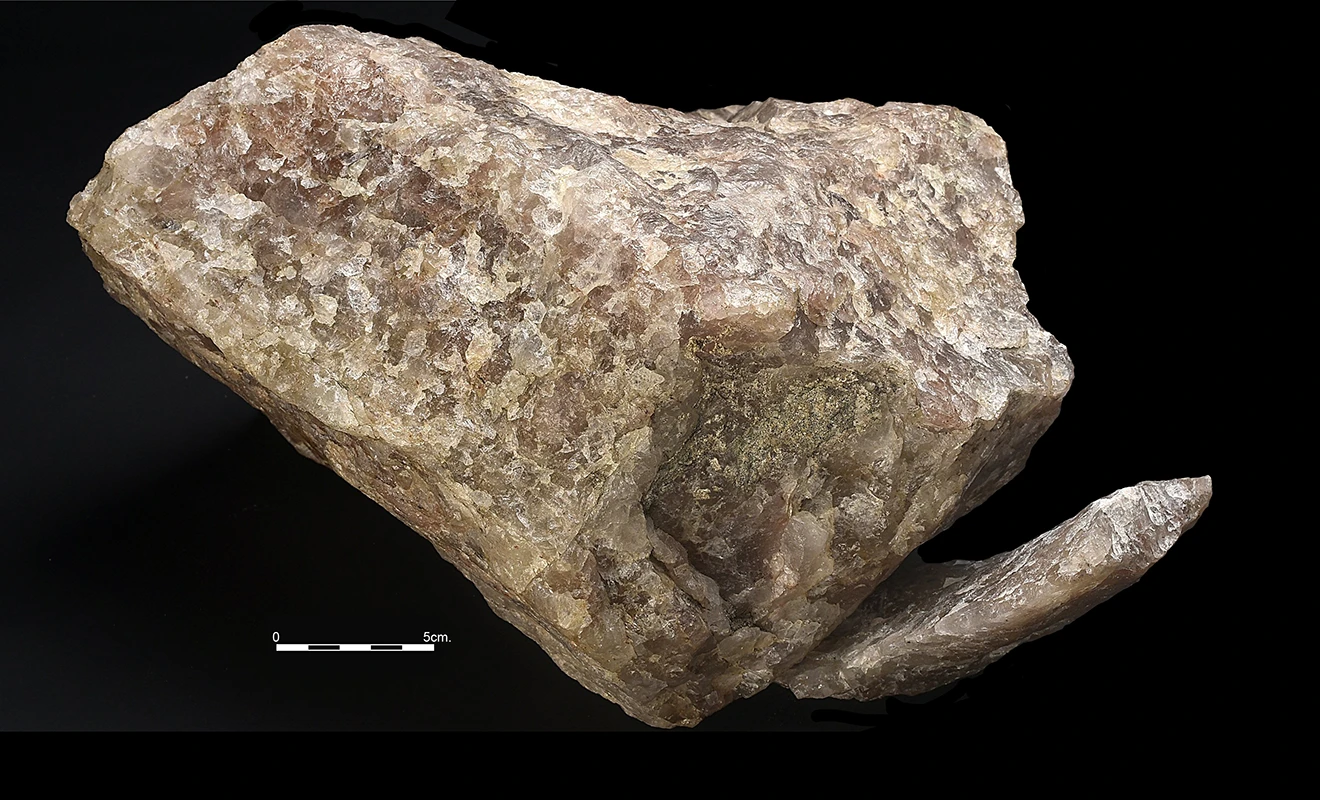
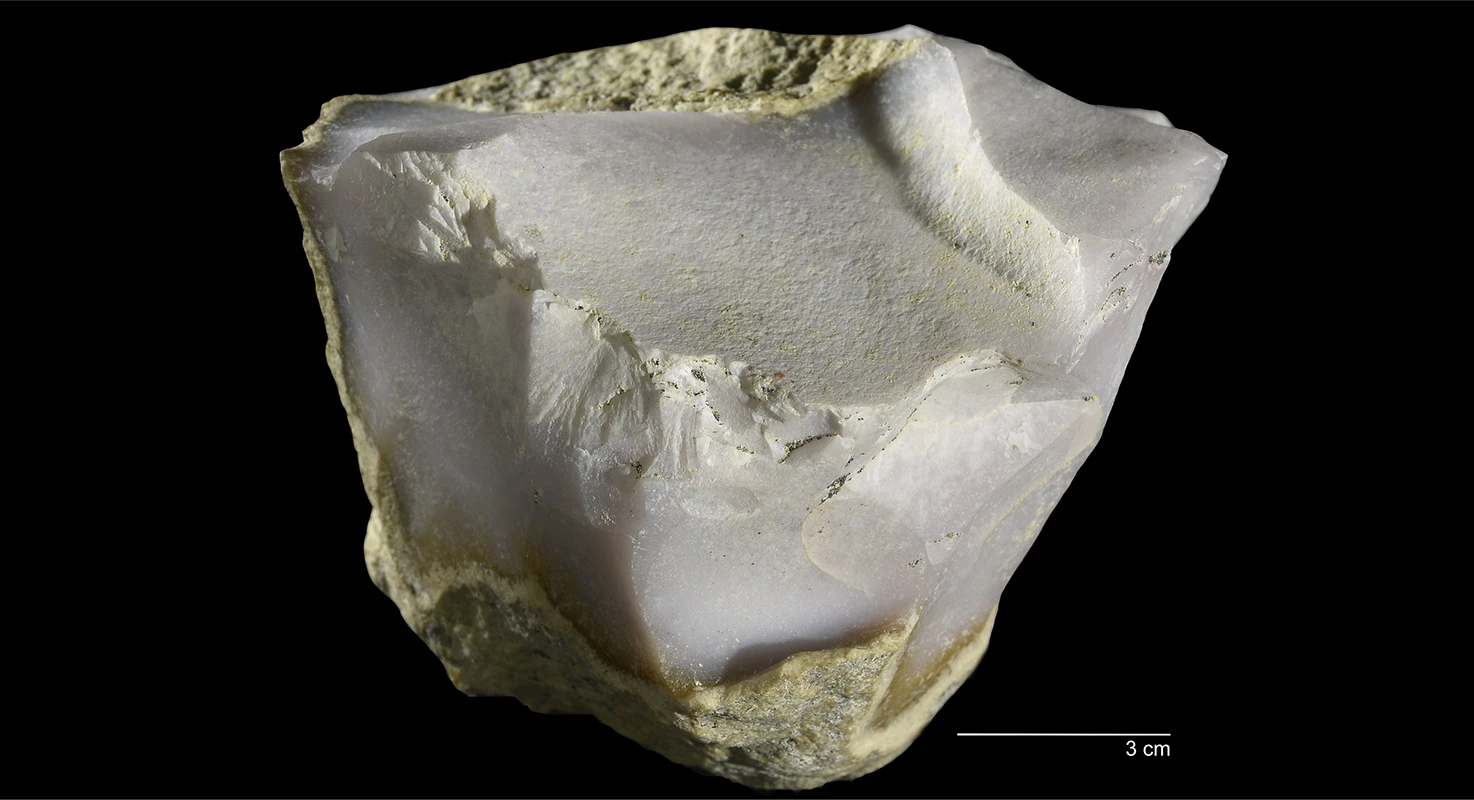
The Acheulean reflects these biological and environmental shifts. Named after the French site of Saint-Acheul, where it was first identified in the 19th century, Acheulean technology allowed humans to produce large flakes (over 10 cm long) from big stone cores. They could also shape large cutting tools, like handaxes, picks, cleavers and knives. These innovations marked a major step forward in human evolution.
These groups also began using and organizing the landscape in new ways. They had larger home ranges and more complex spatial patterns. Growing cognitive and social abilities are clear in the creation of standardized large cutting tools and their social transmission. The variety of tools also suggests more diverse diets and new ways of obtaining and processing food.
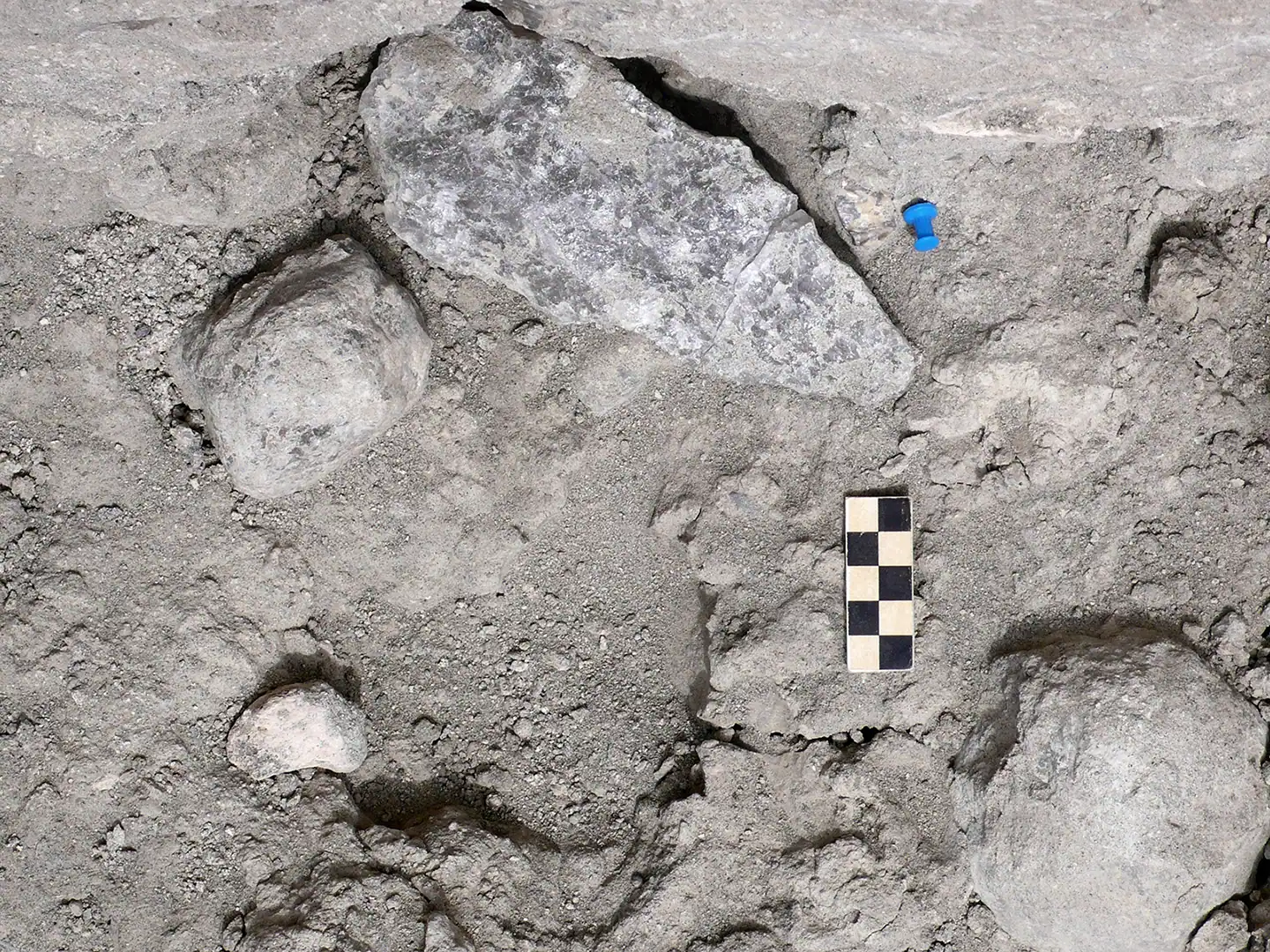
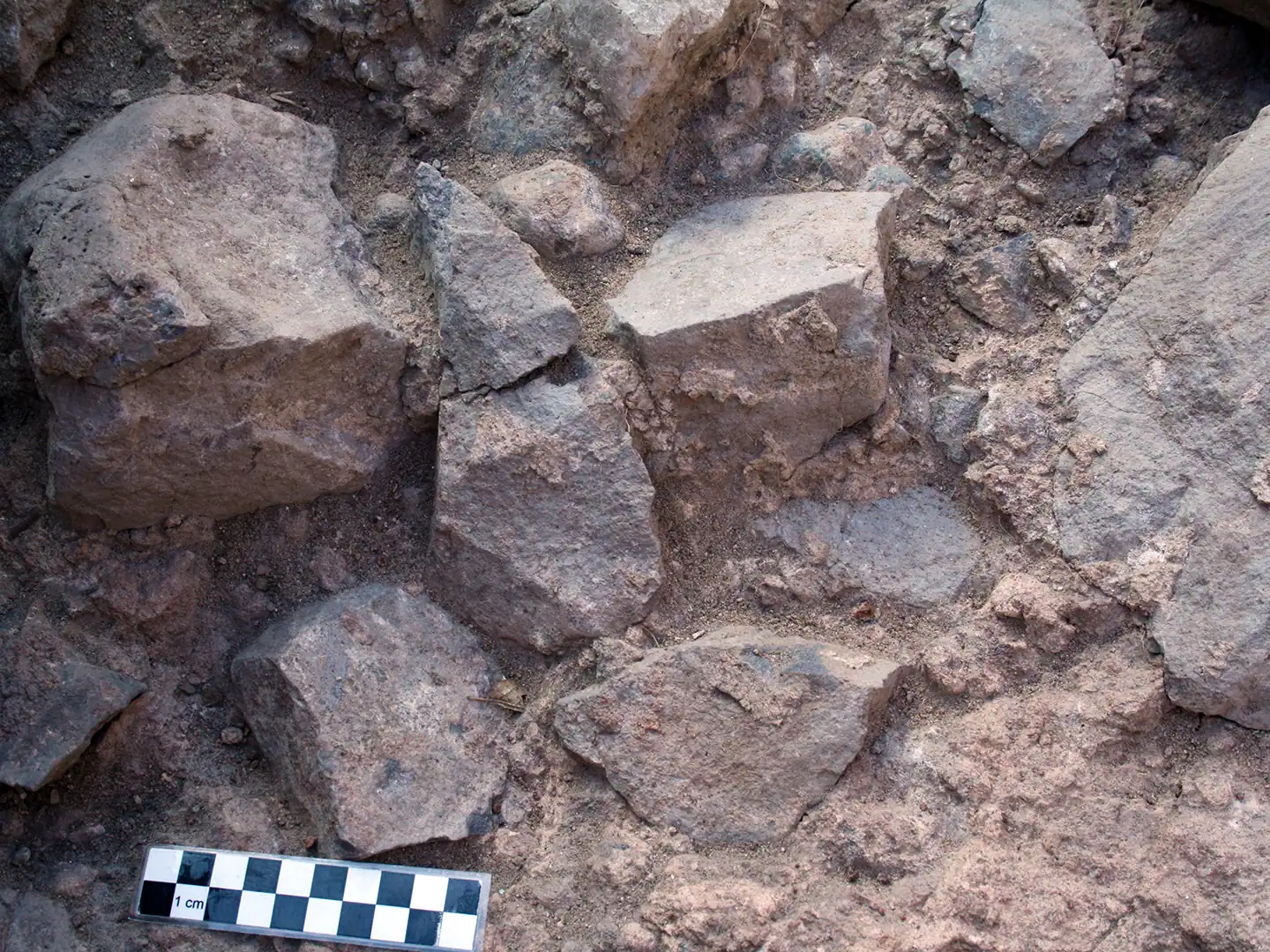
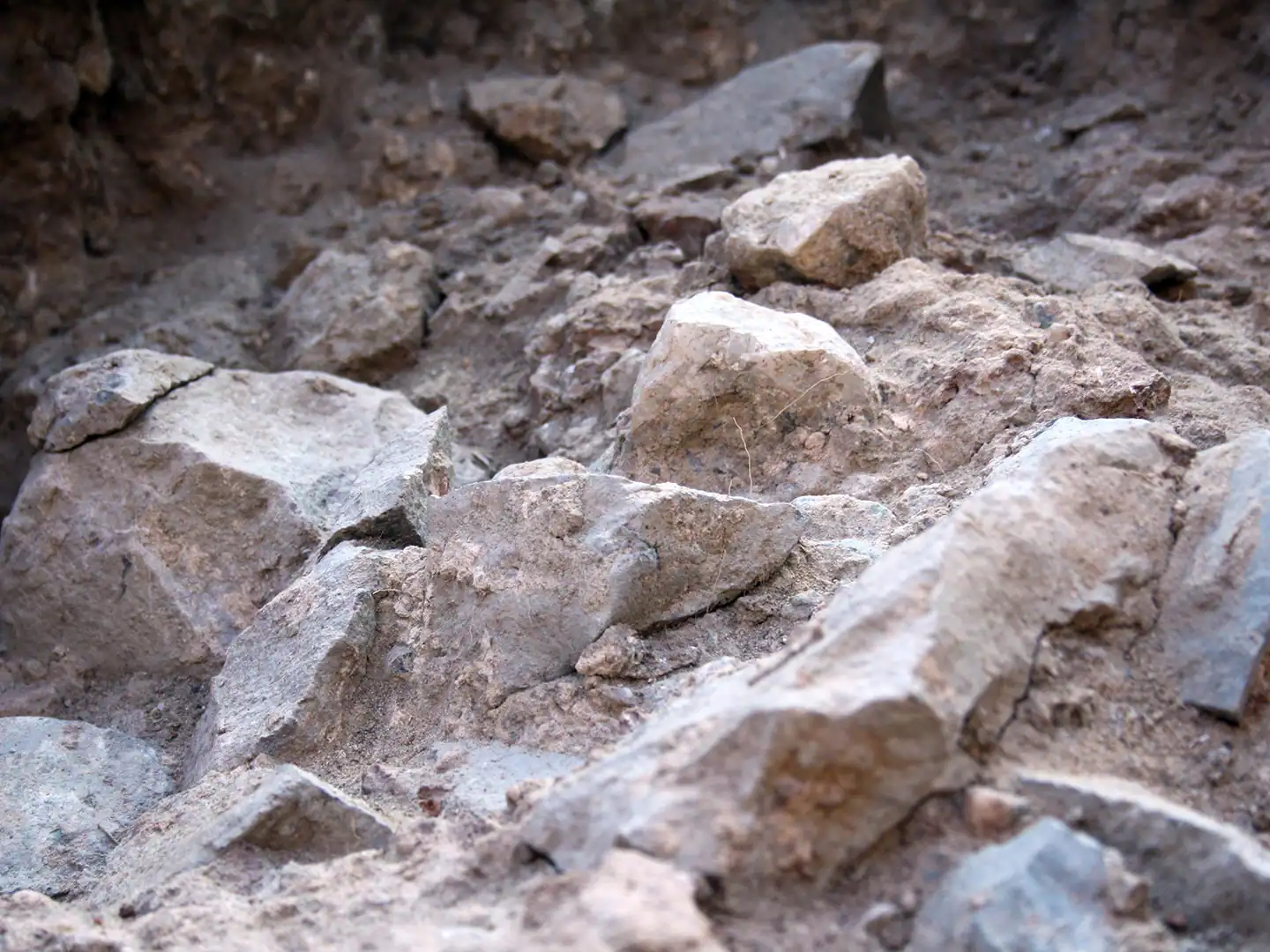
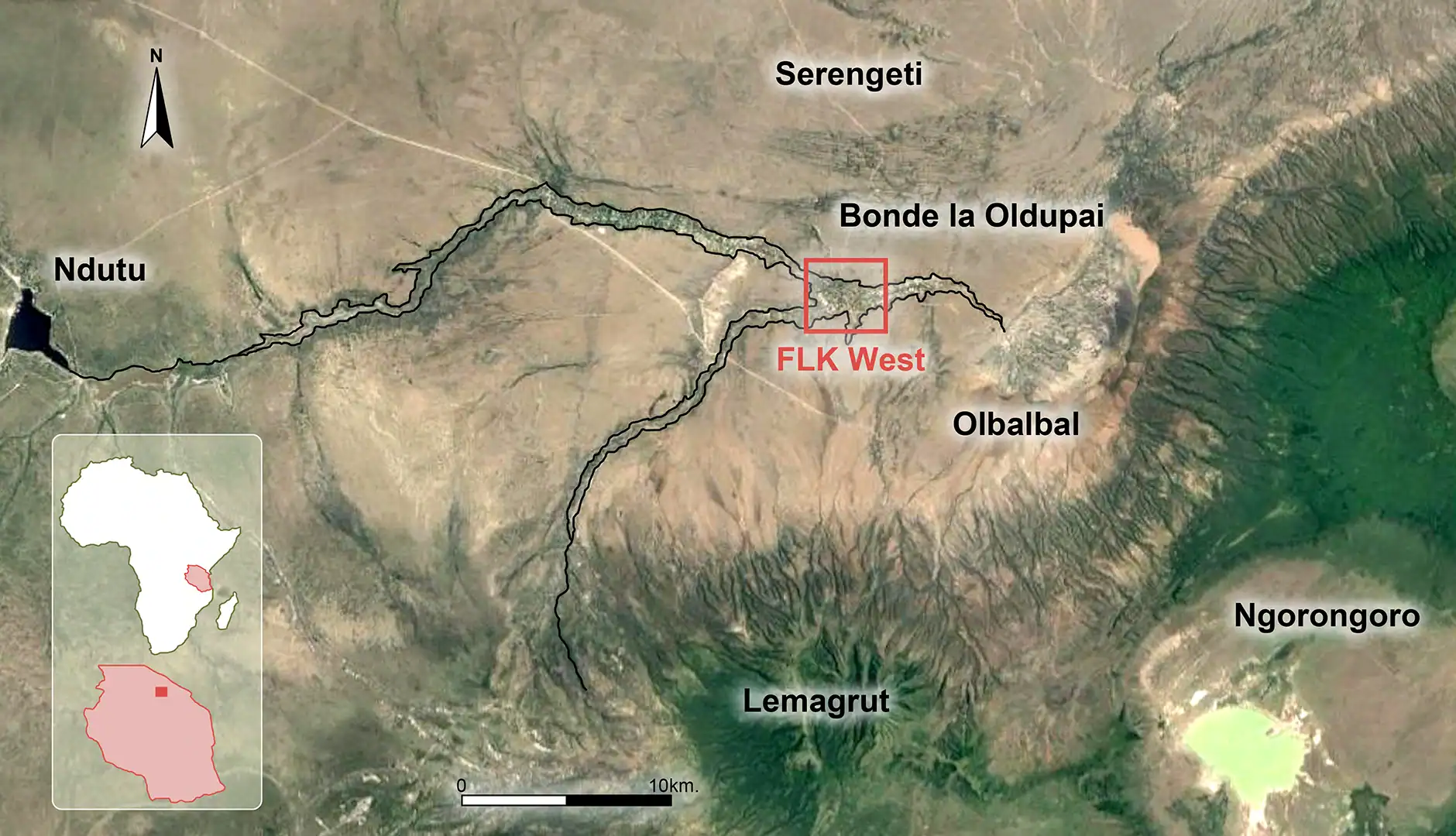
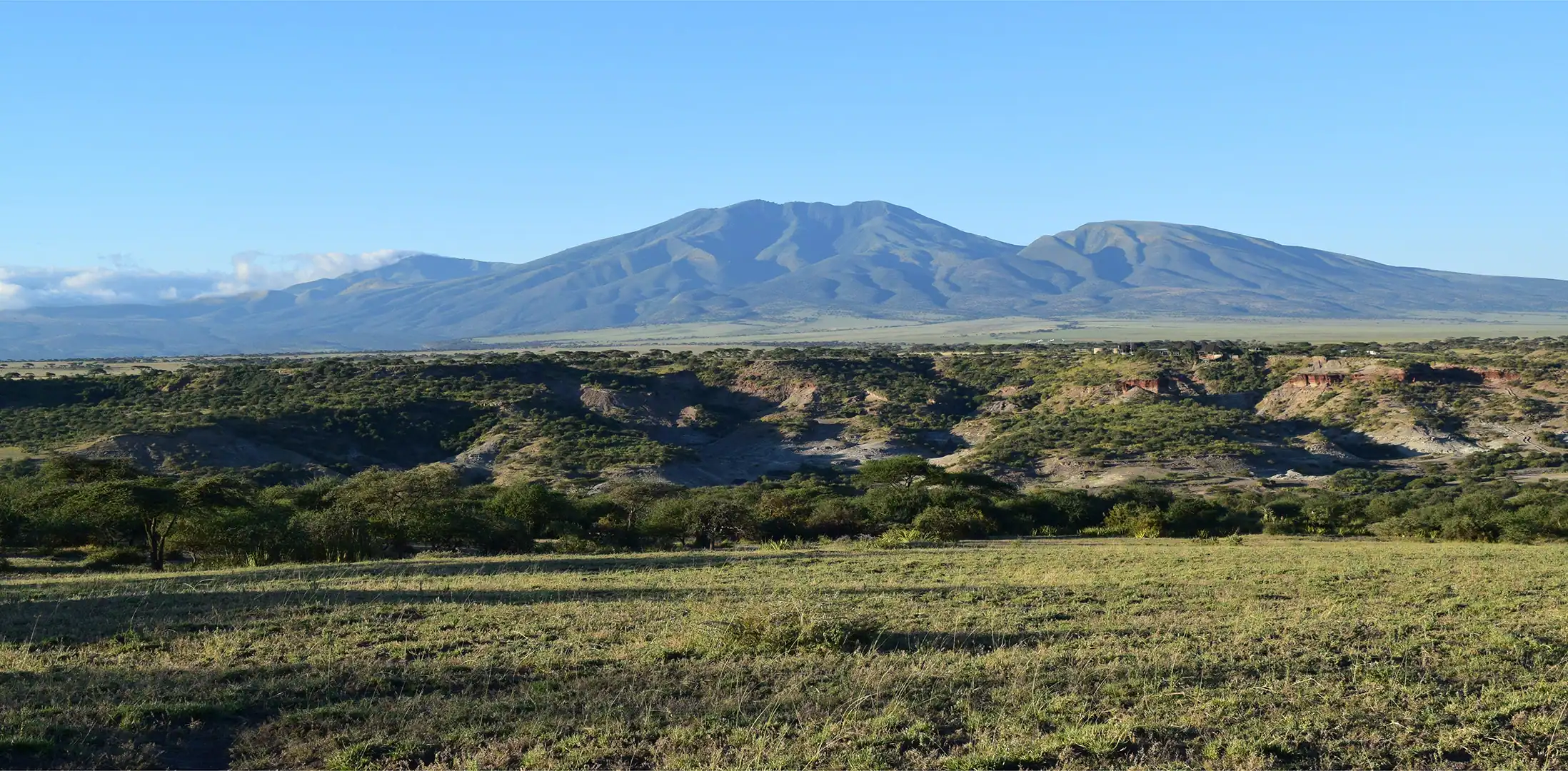
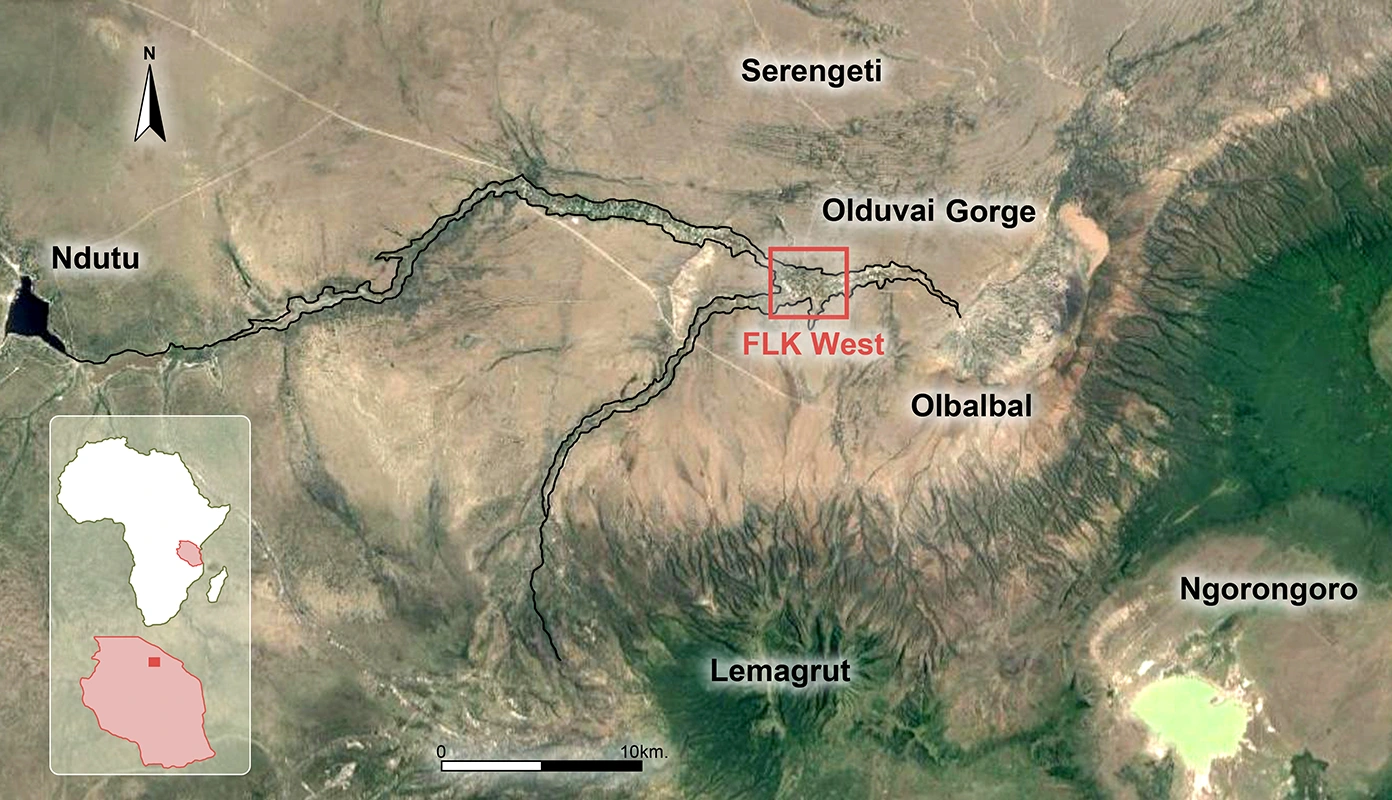
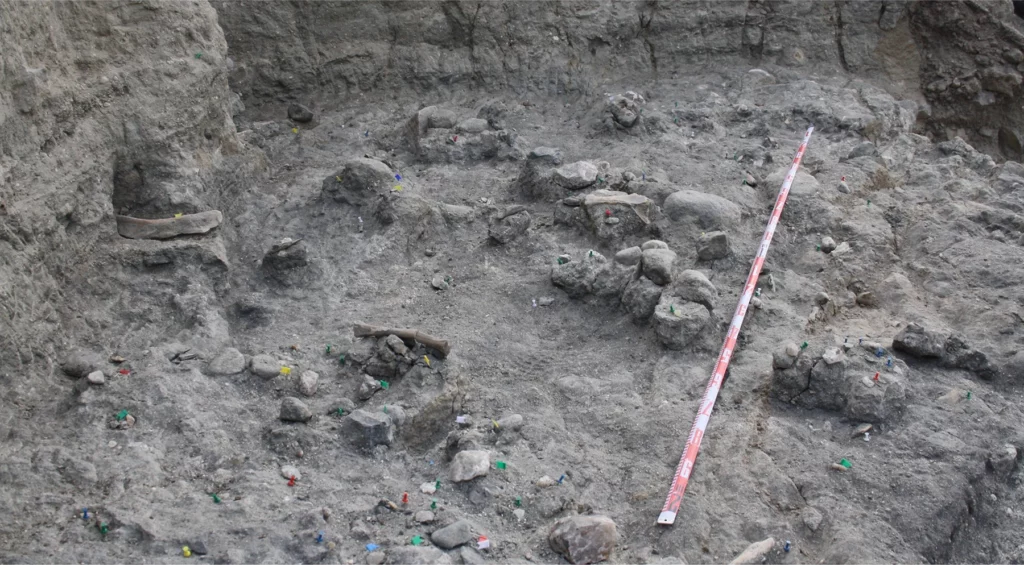
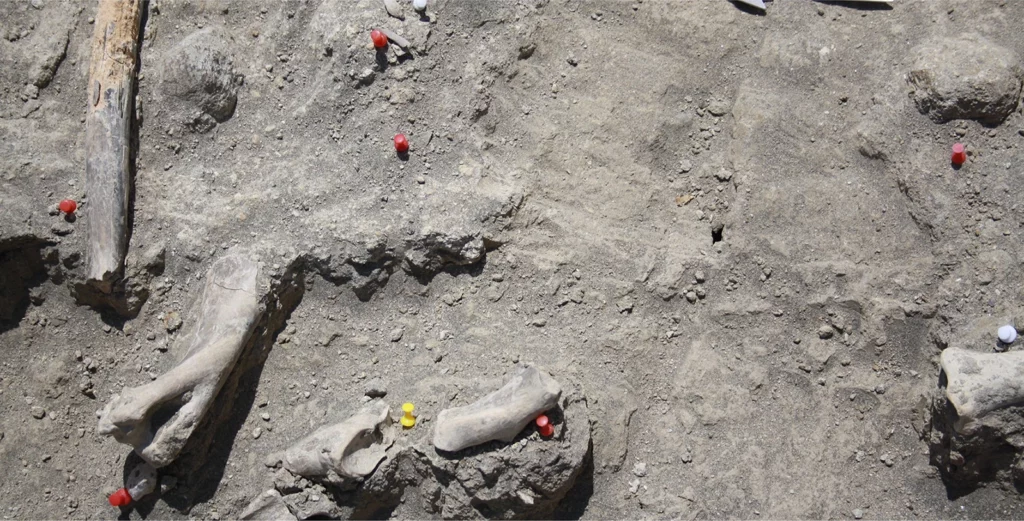
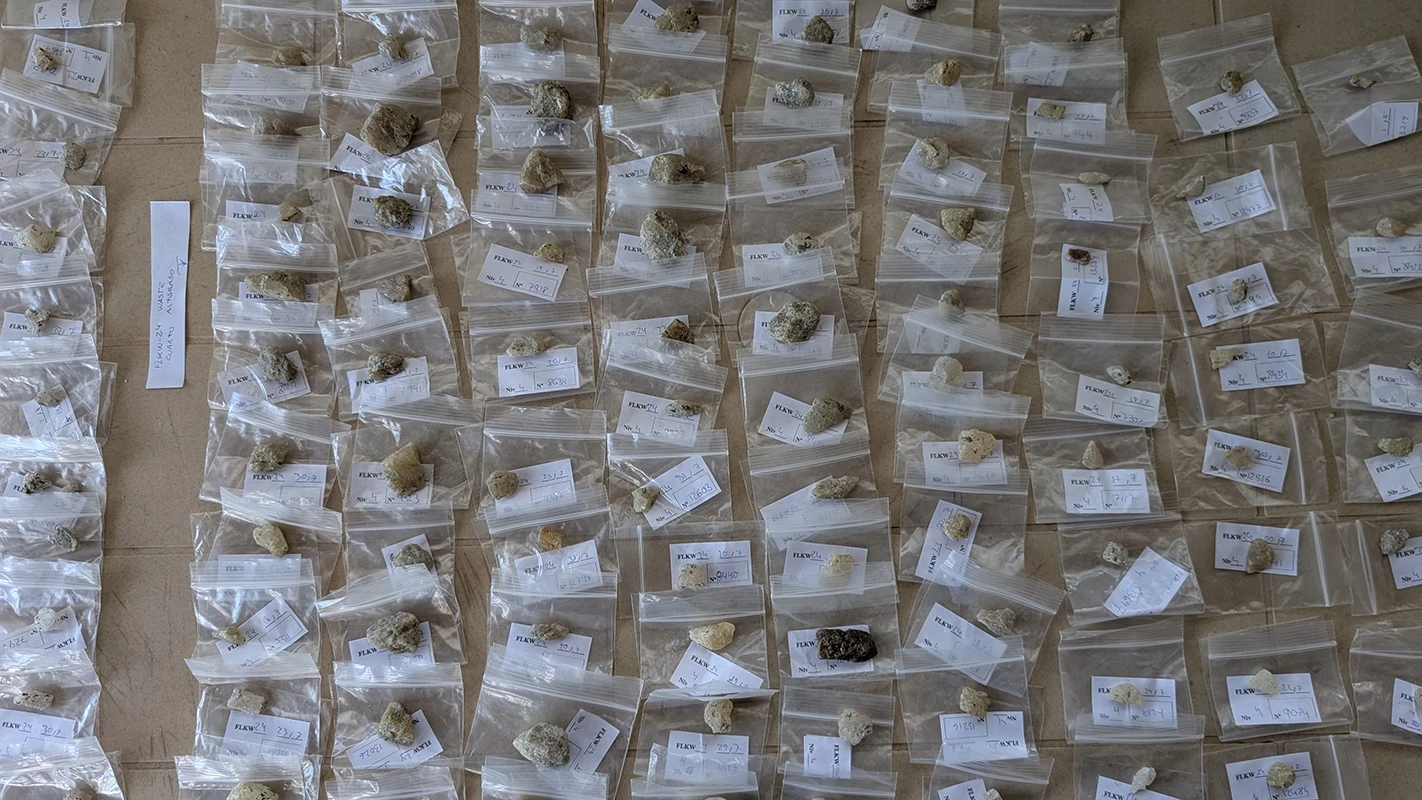
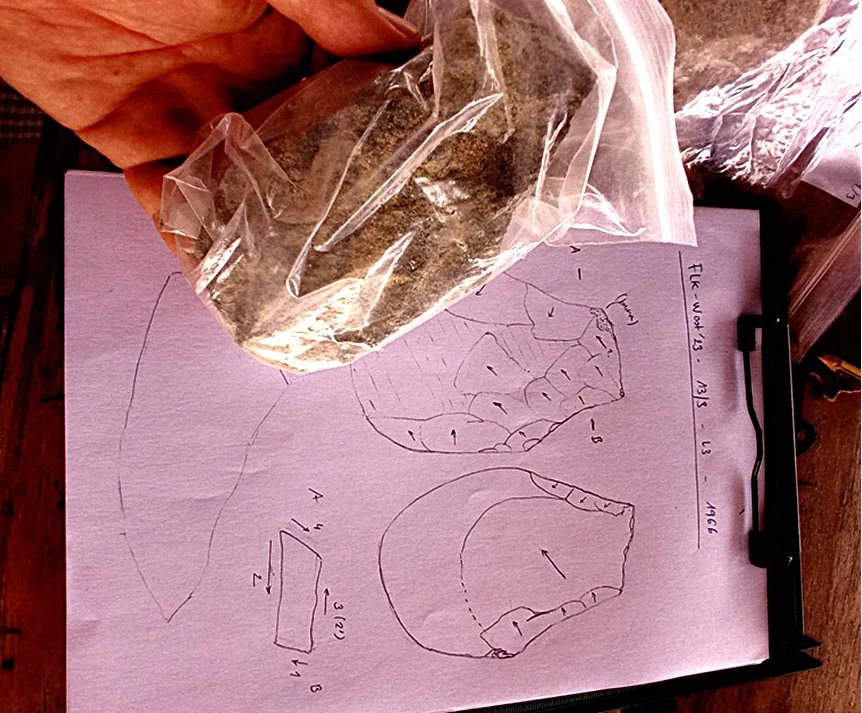
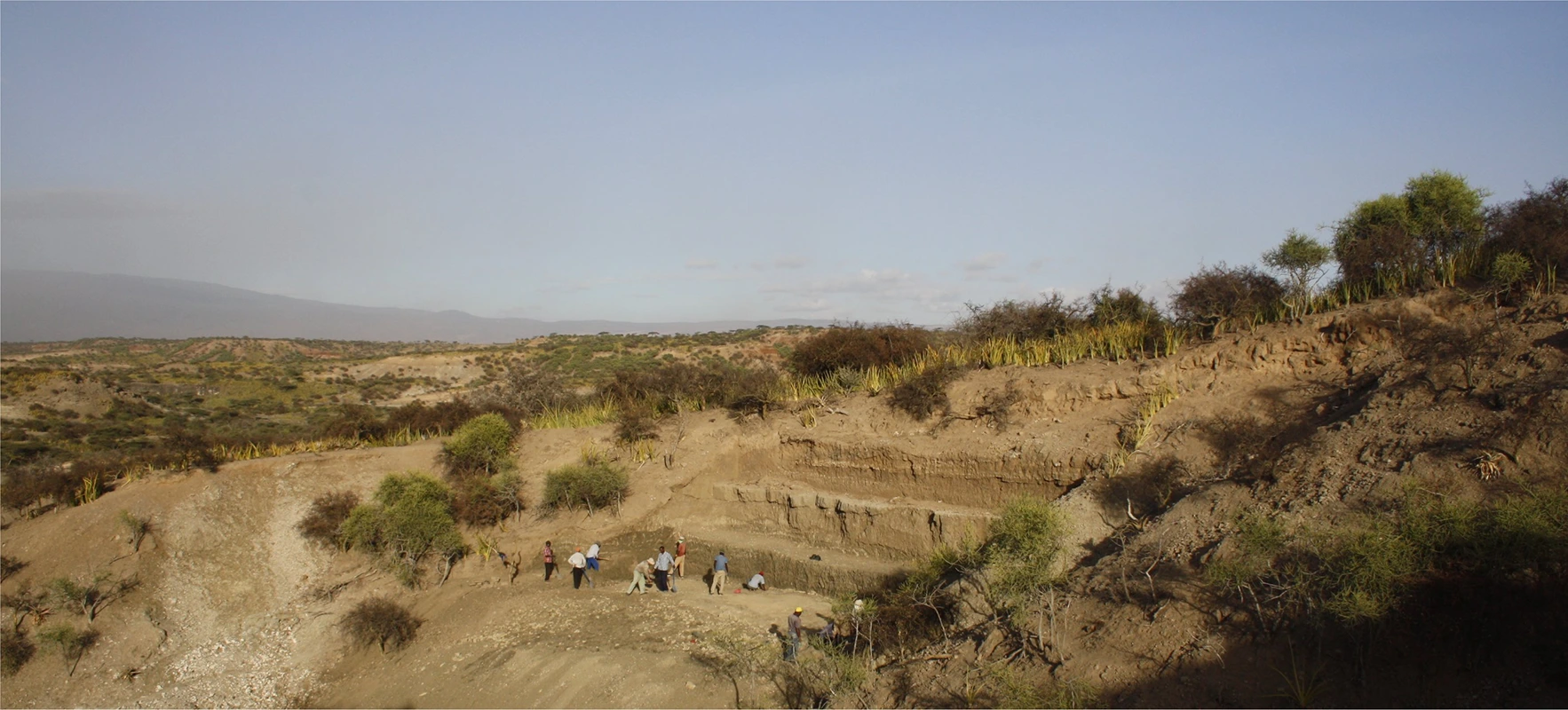
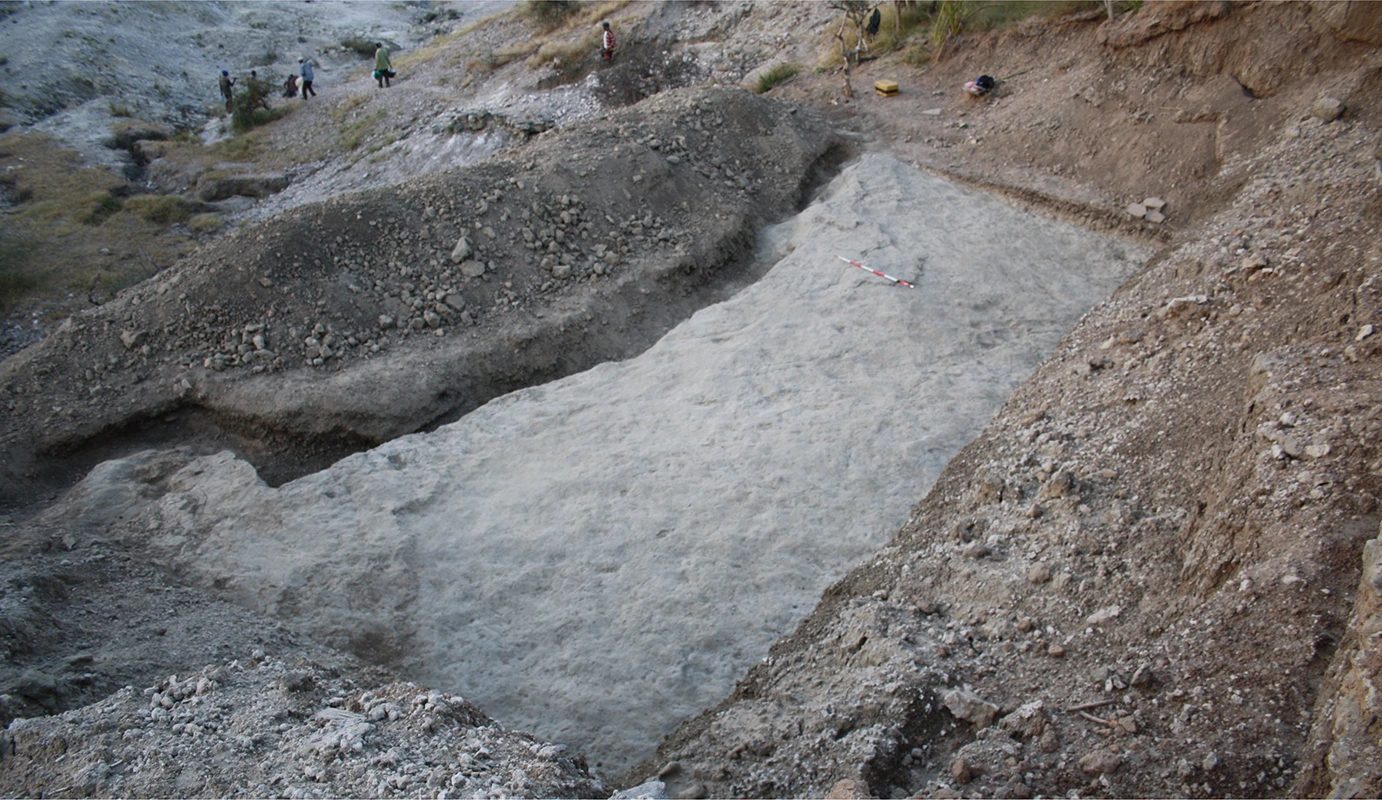
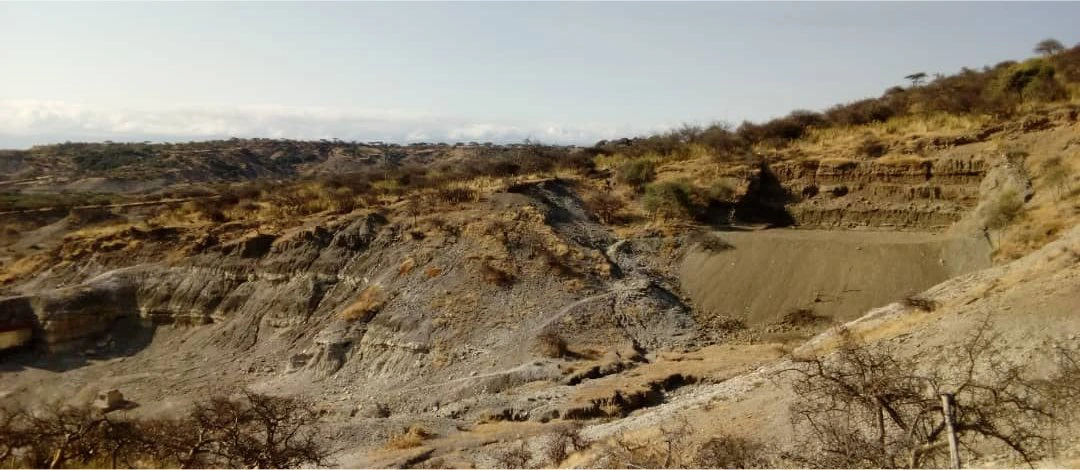
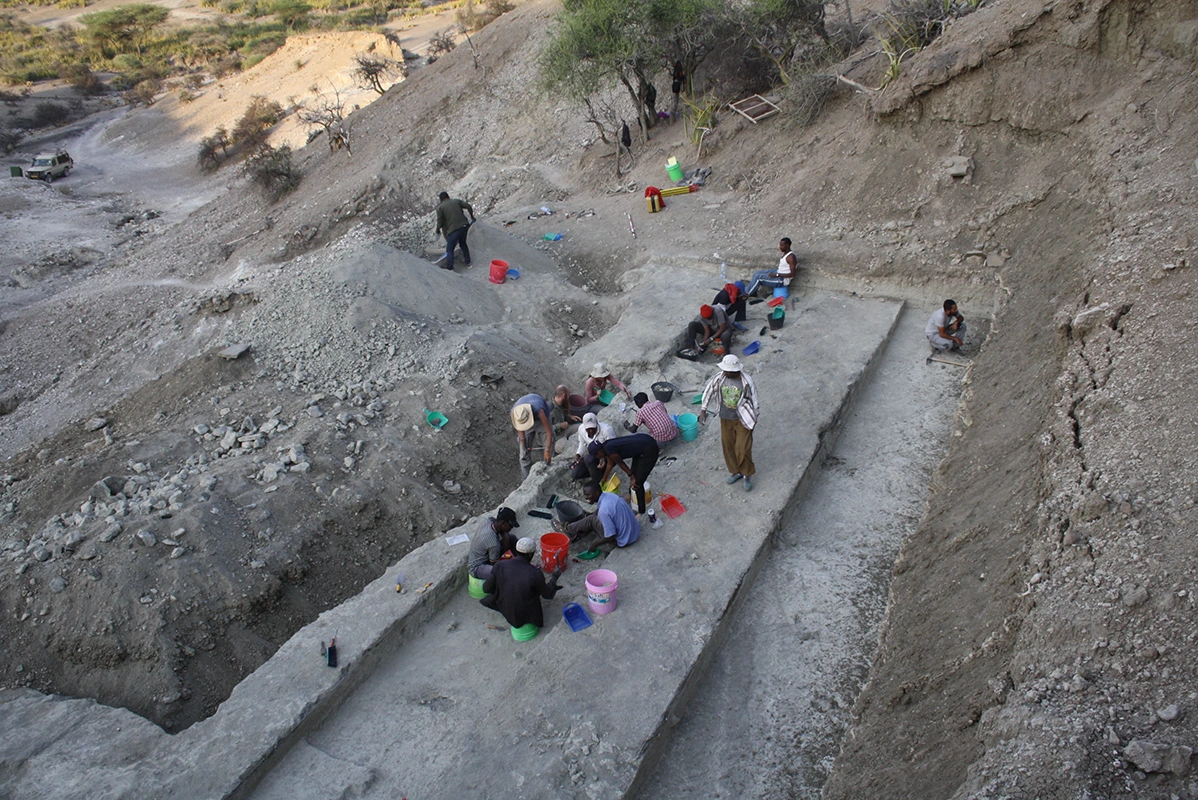
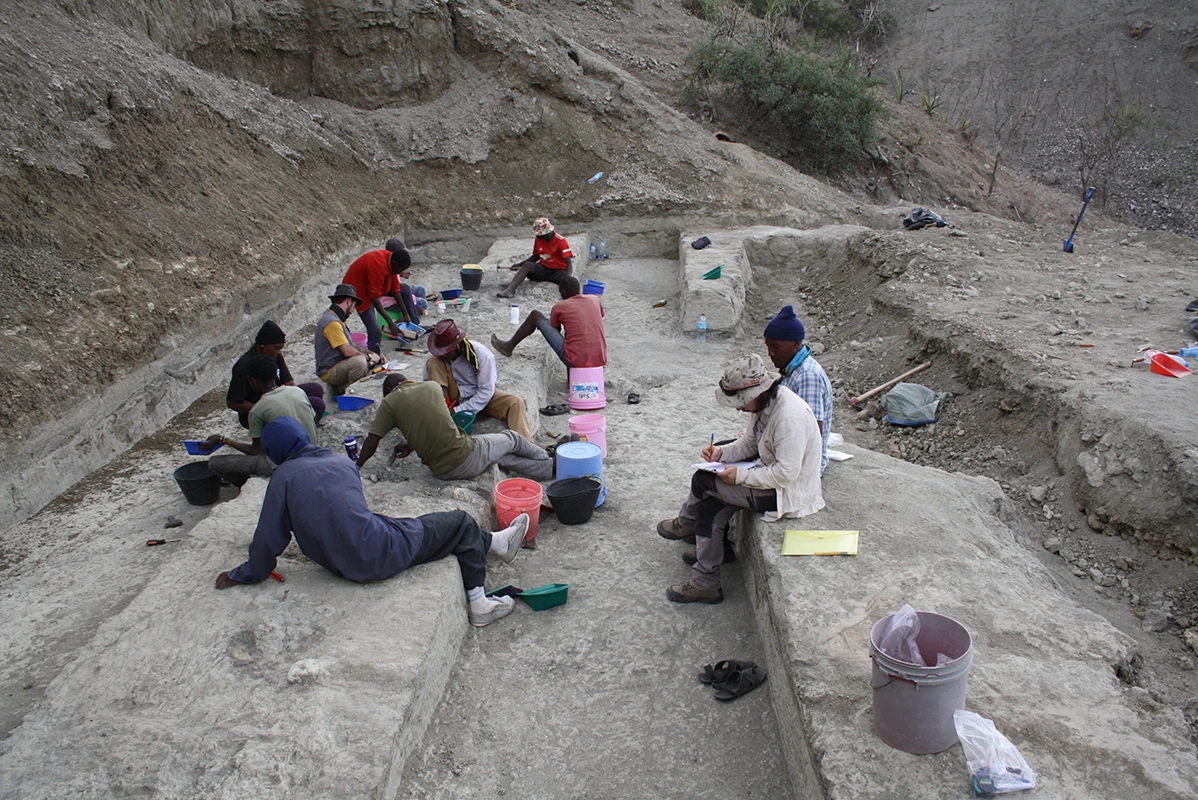
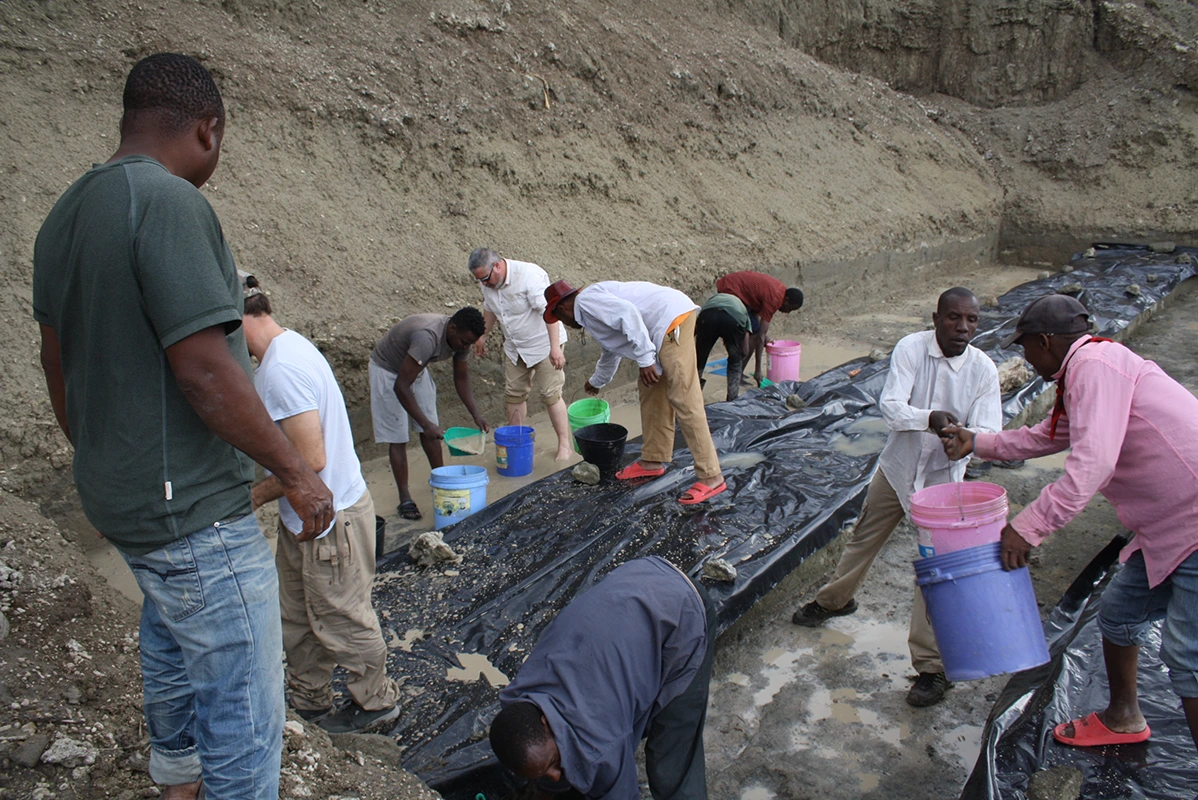
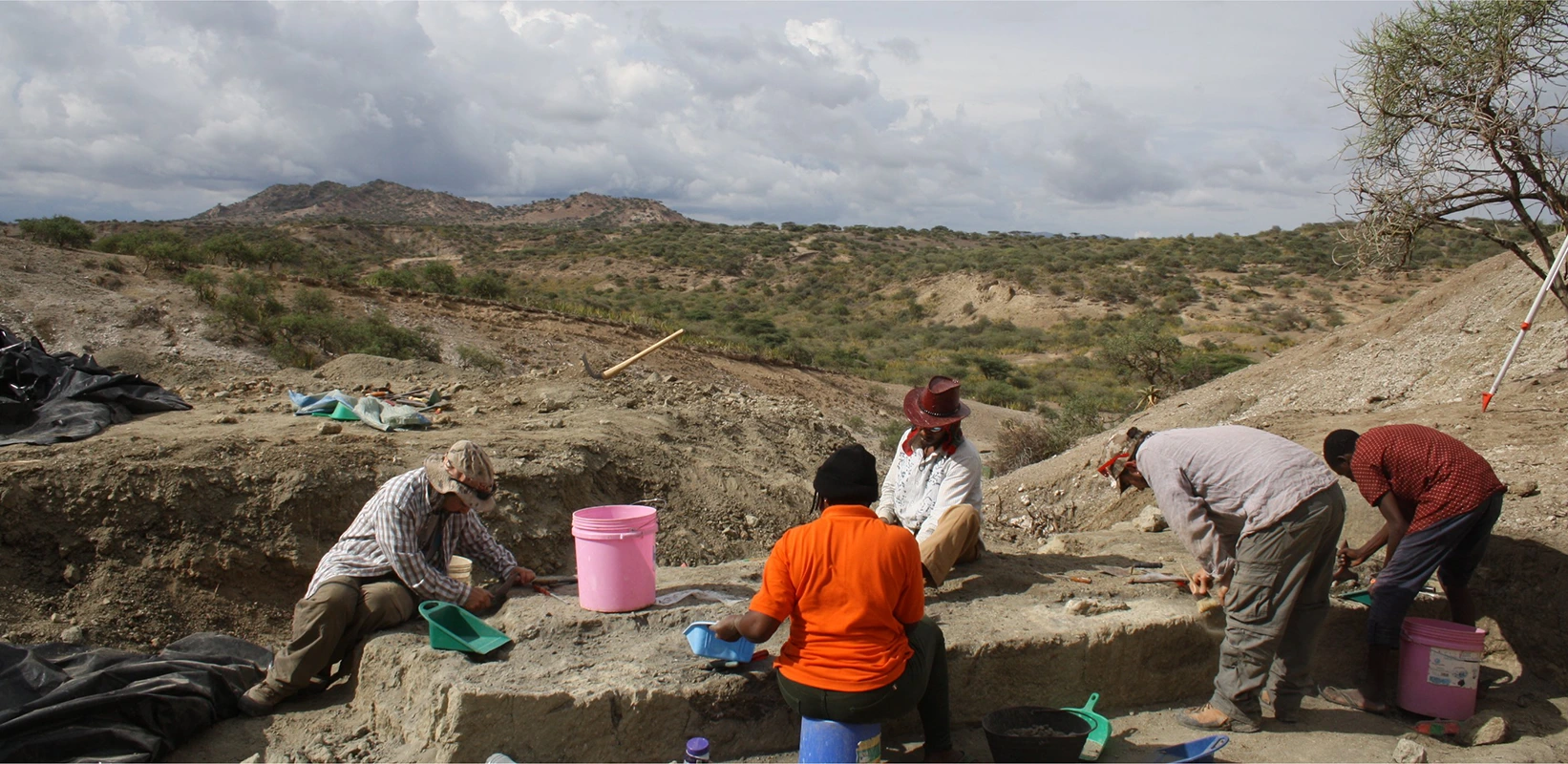
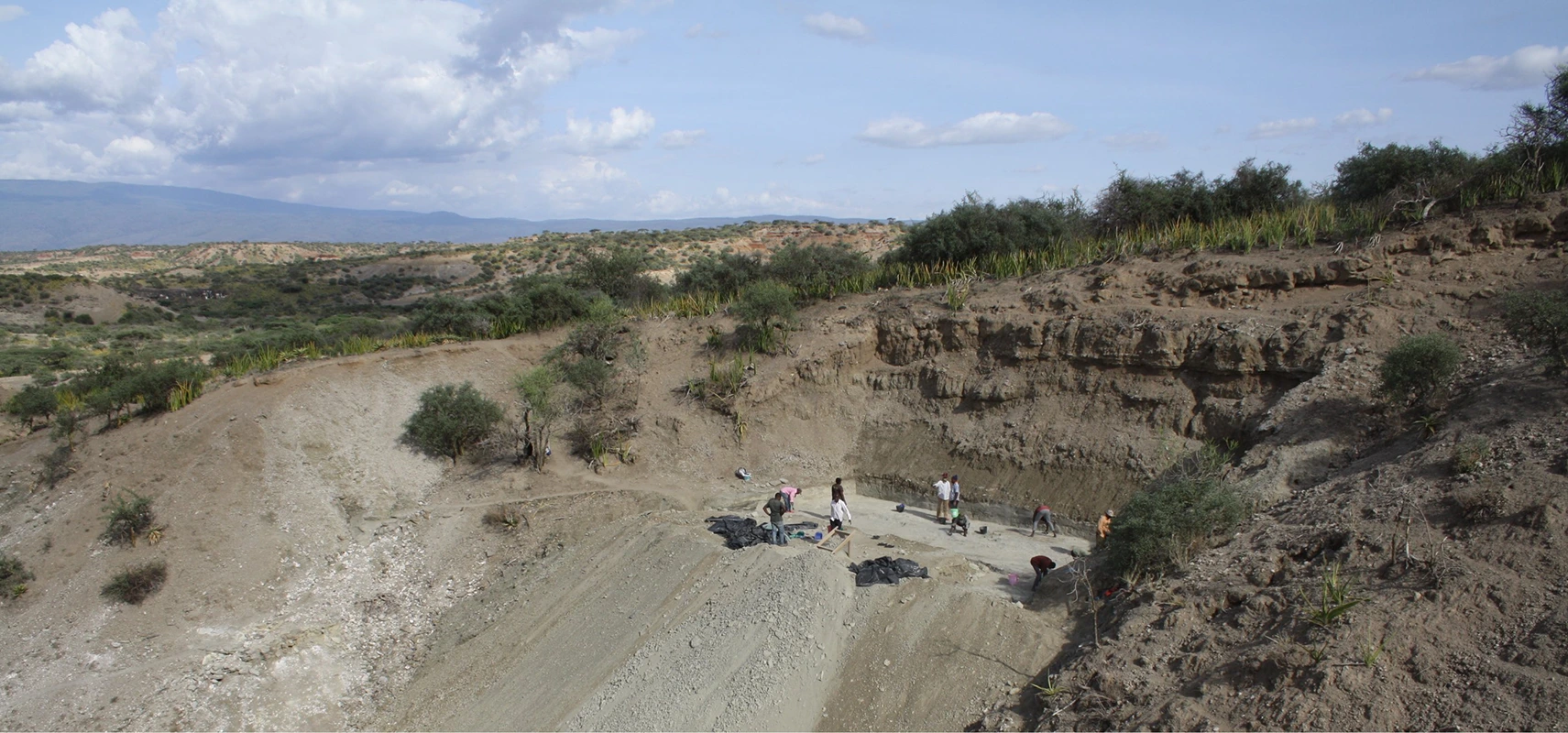
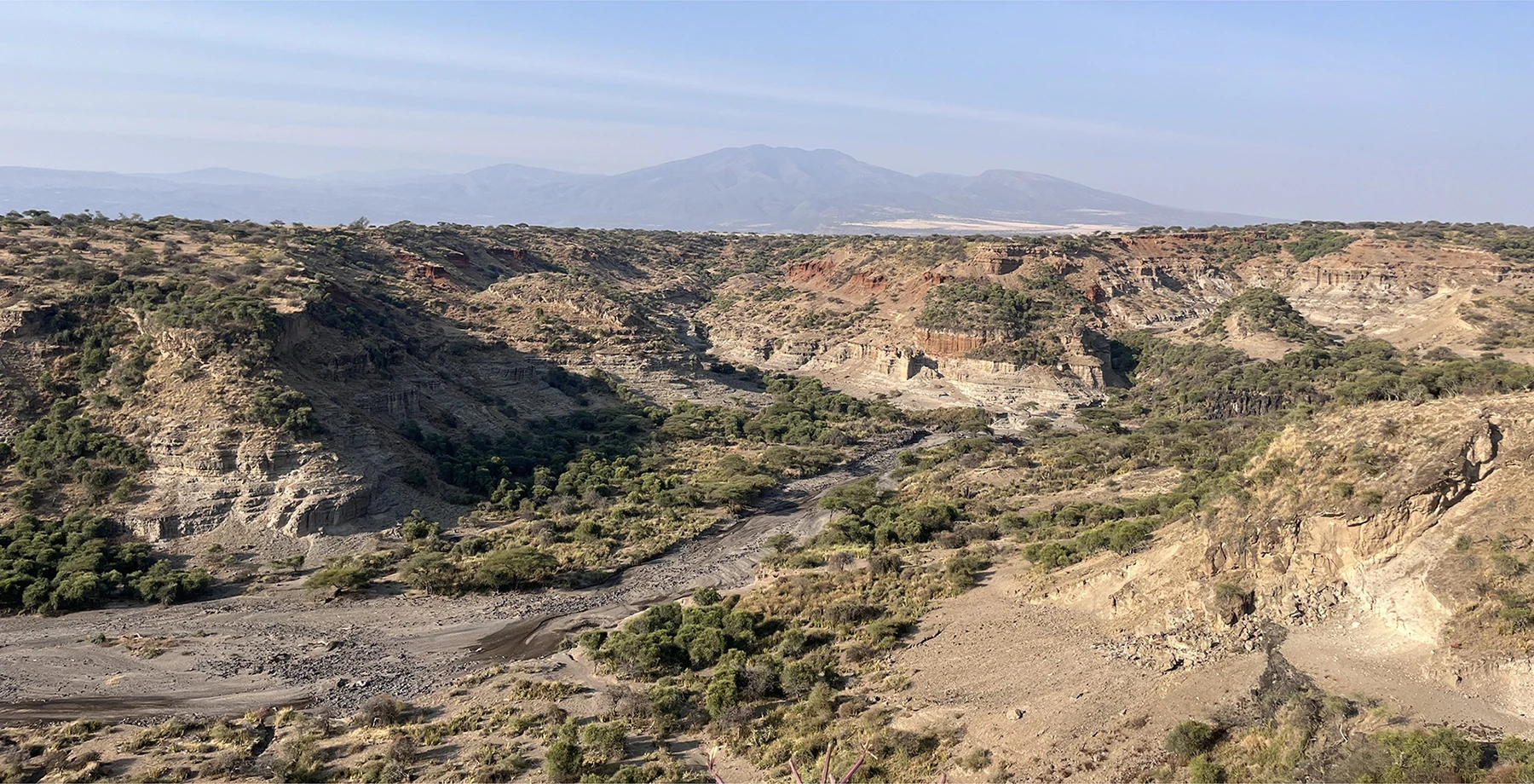
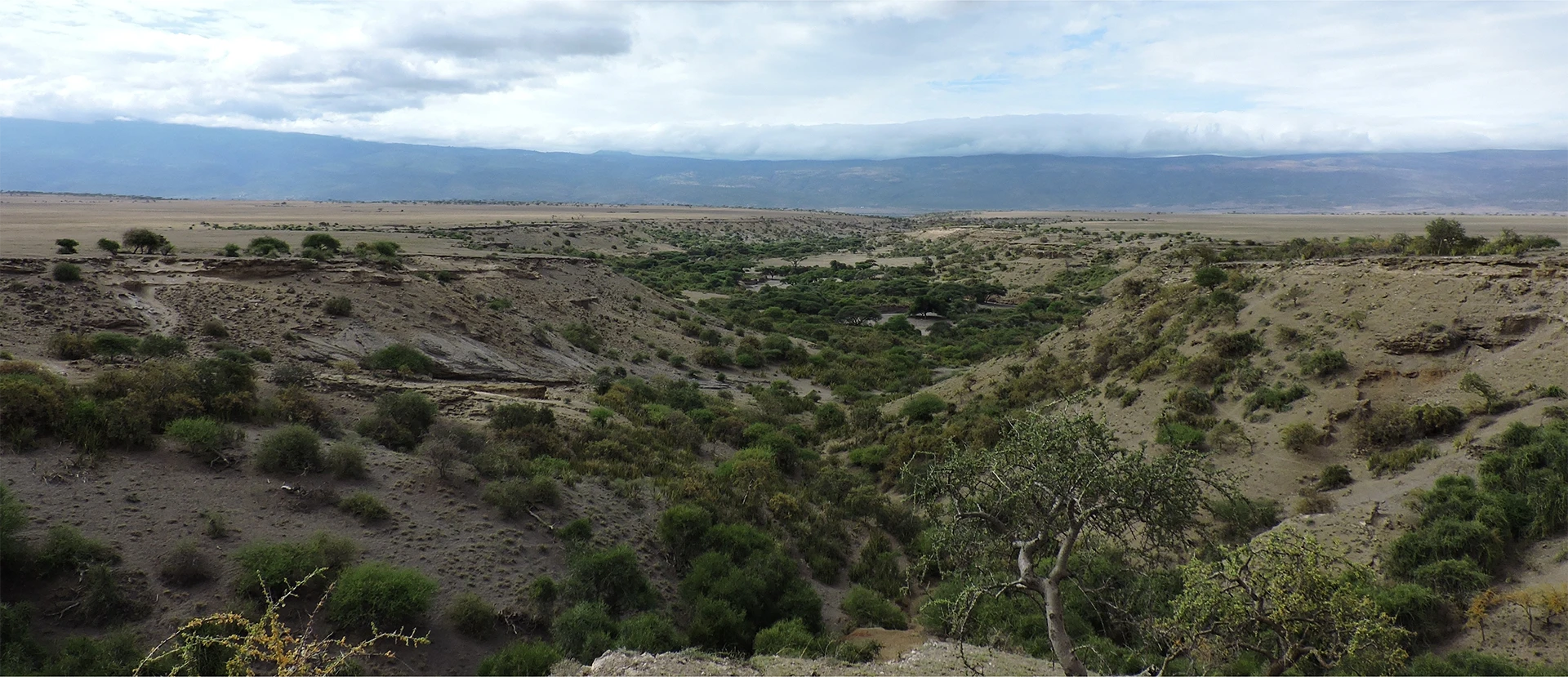
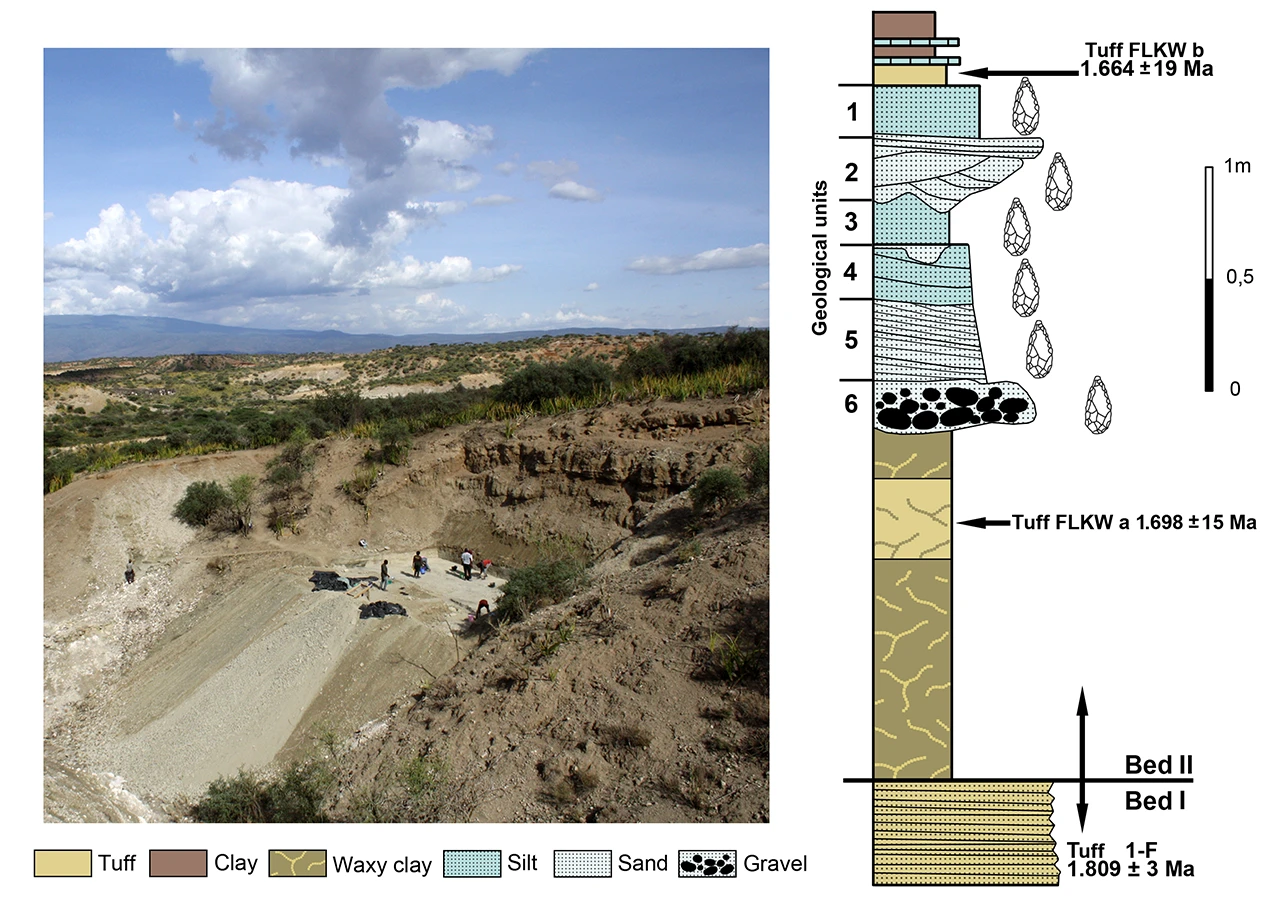
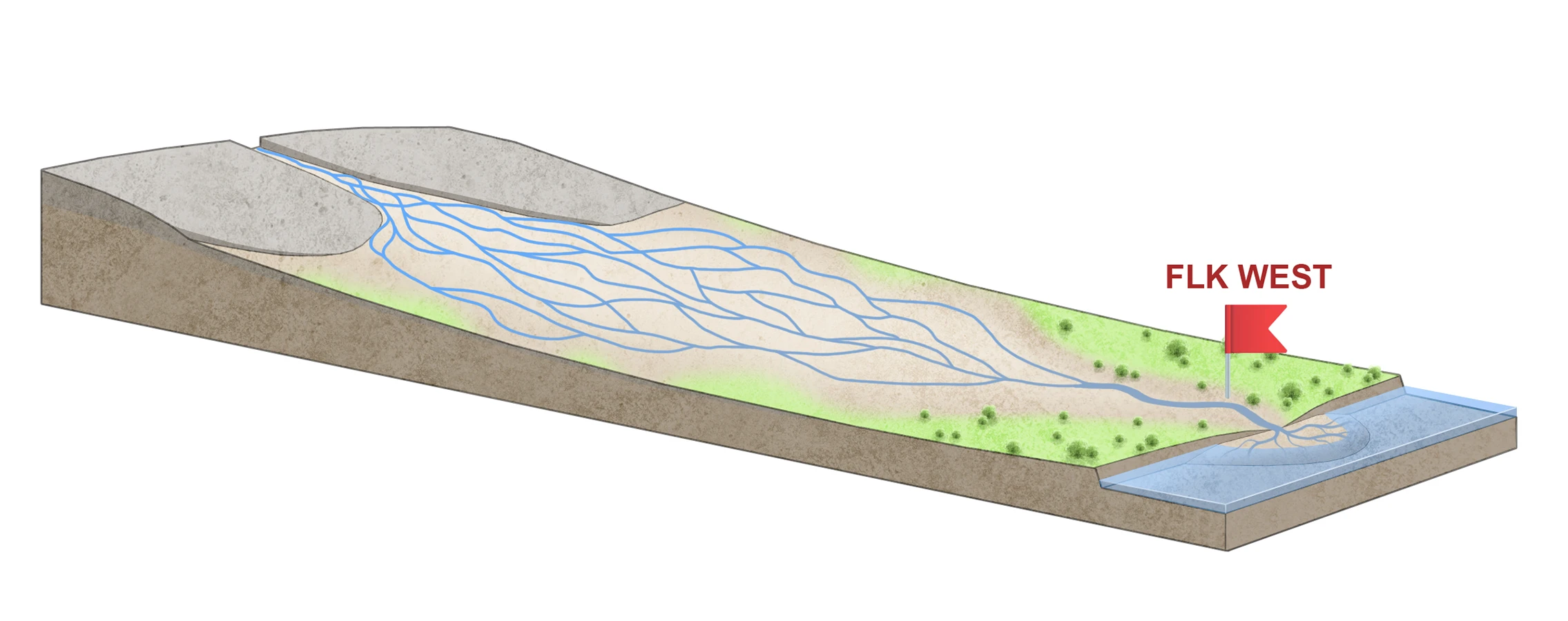
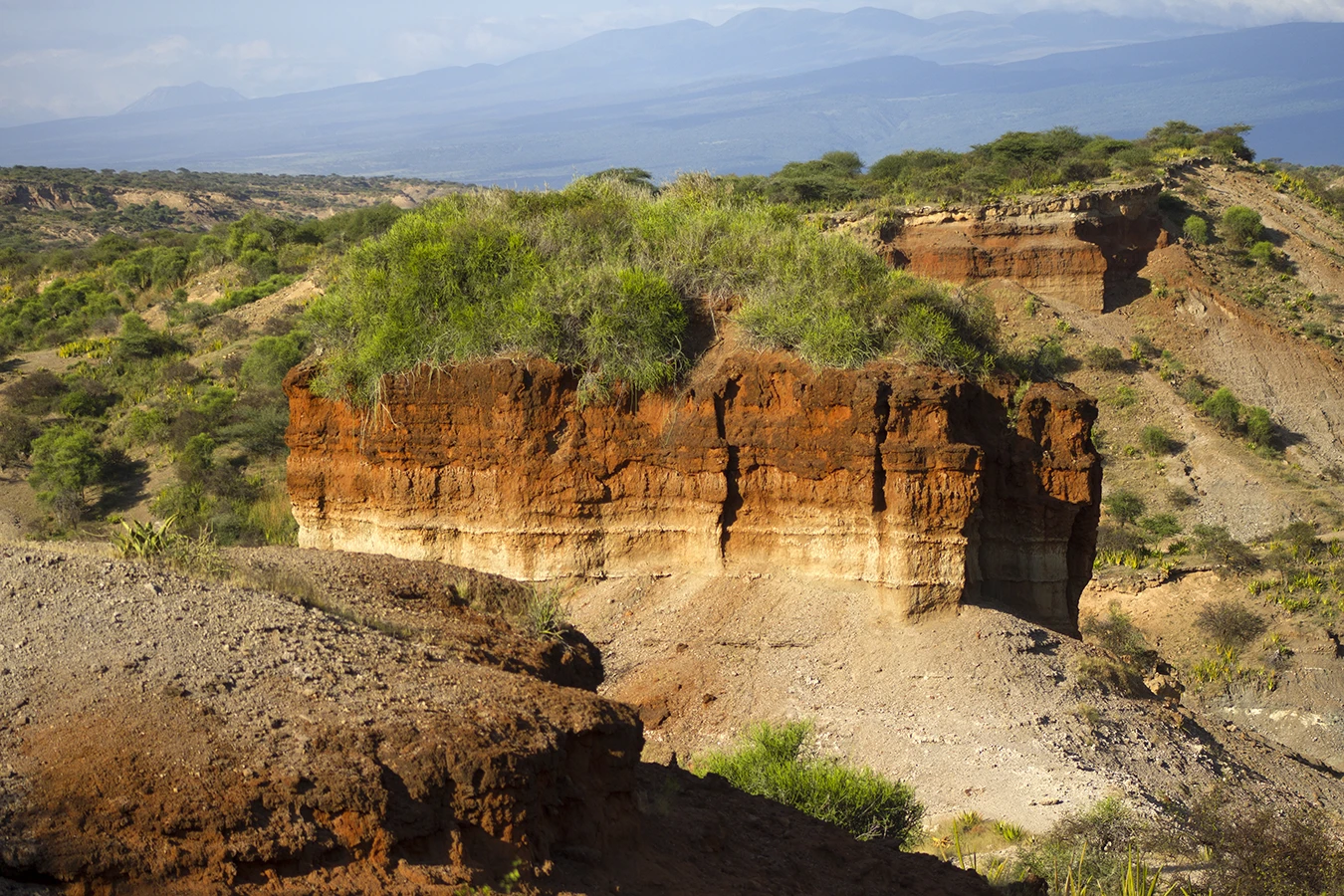
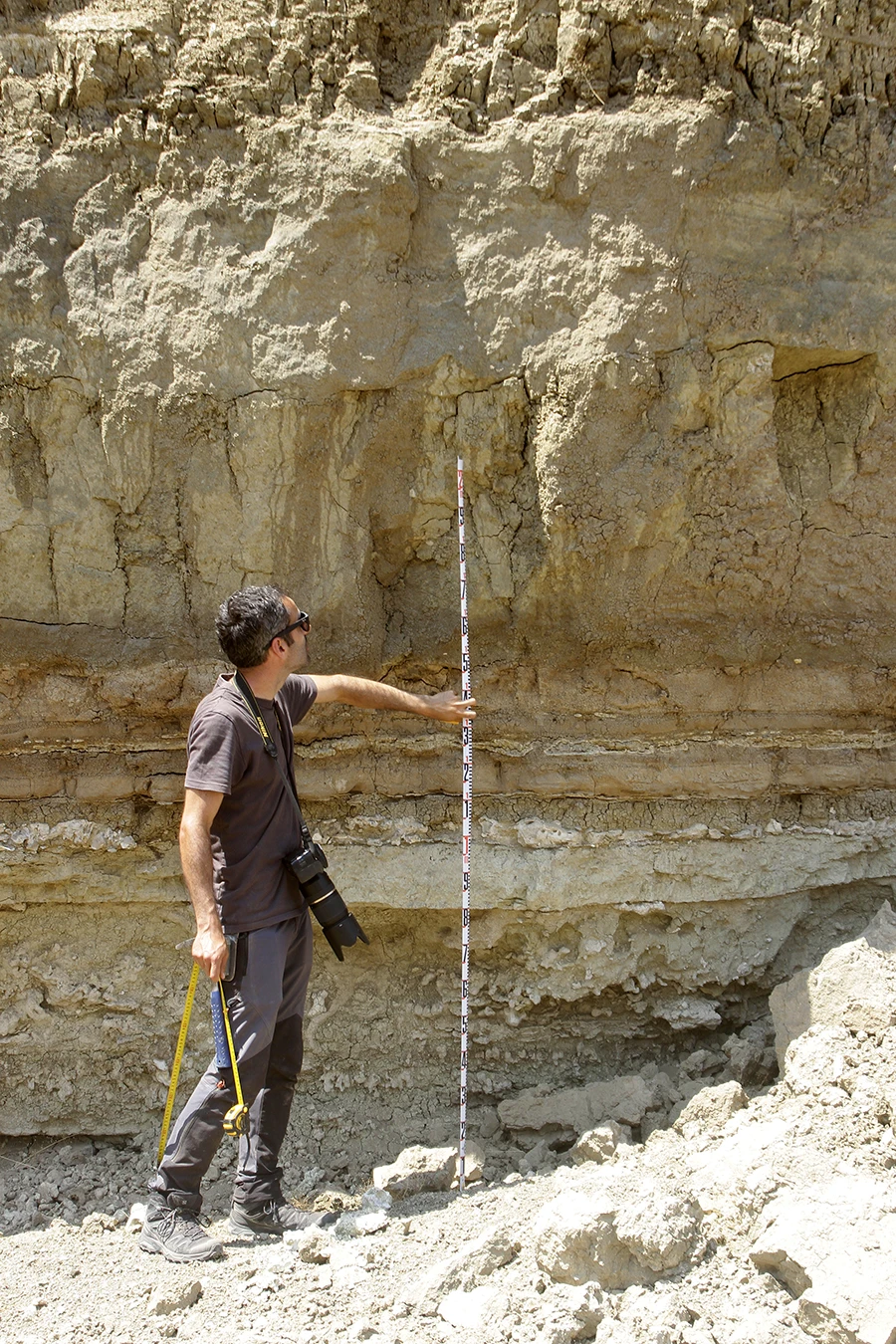
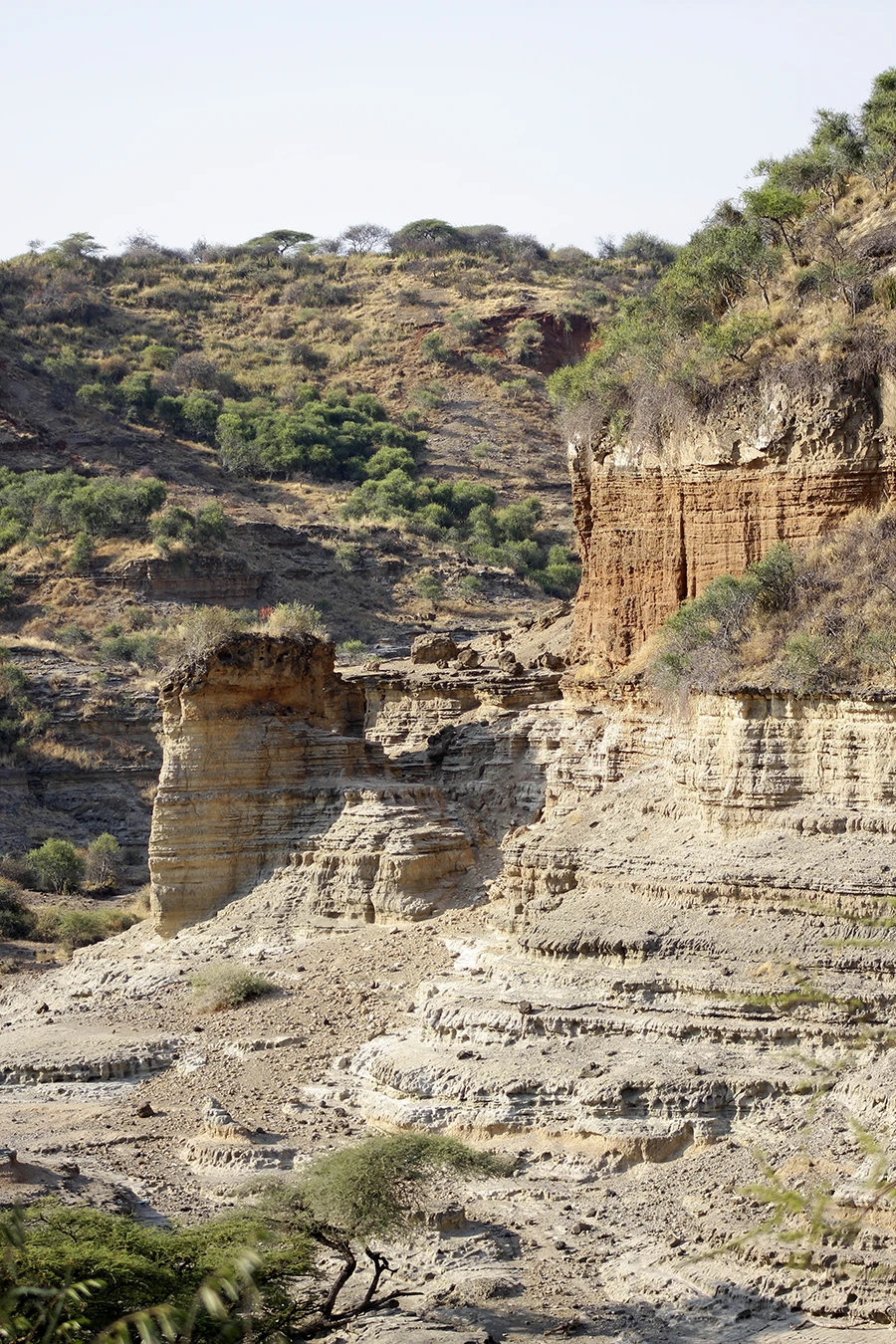
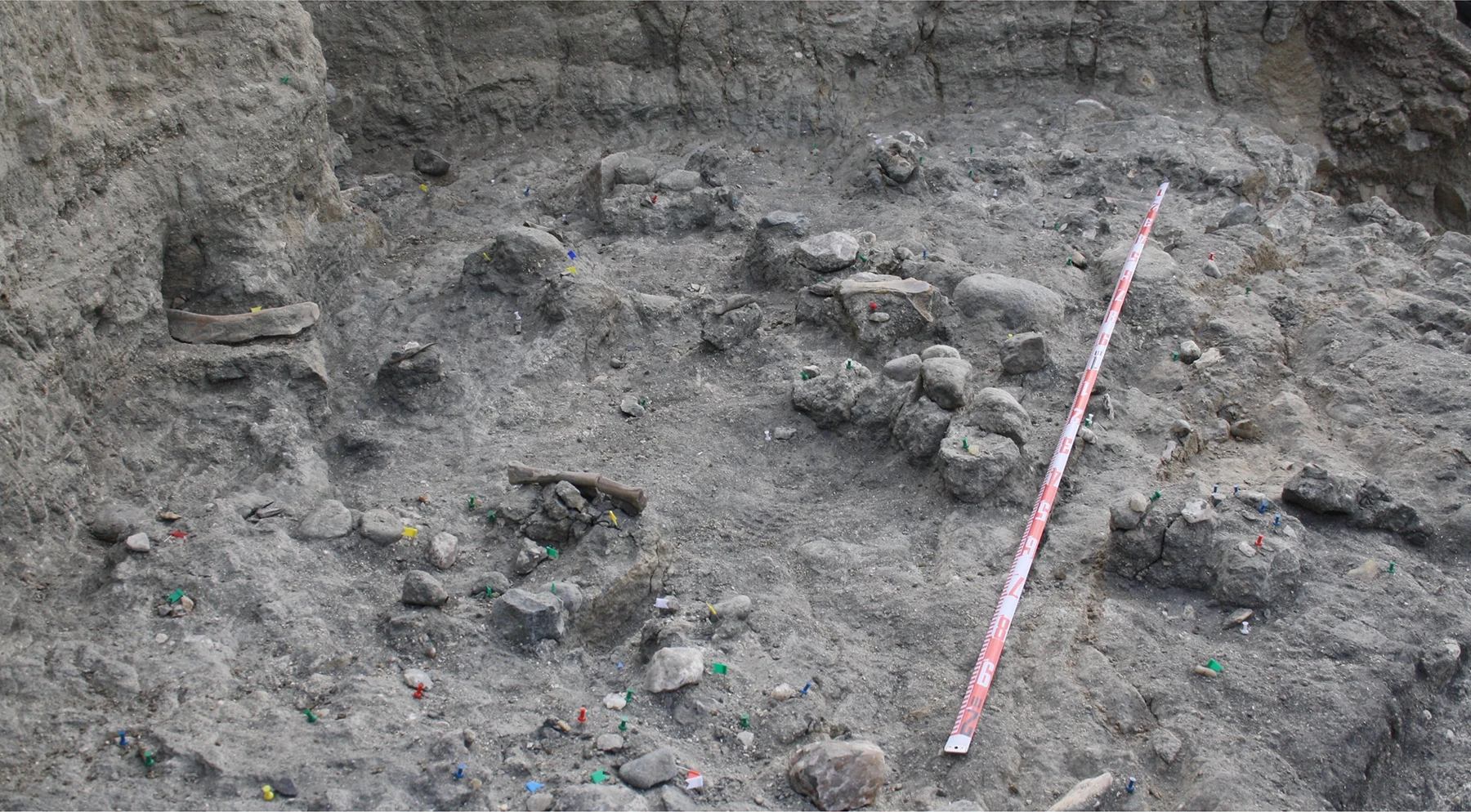
The earliest Acheulean evidence in Africa dates from about 1.9 to 1.7 Ma. Important early sites include Kokiselei 4 in Kenya, Melka Kunture and Konso in Ethiopia, and FLK West in Tanzania. Later sites, from 1.5 to 1.2 Ma, are found across the continent, including several sites in Olduvai Gorge and Peninj in Tanzania.
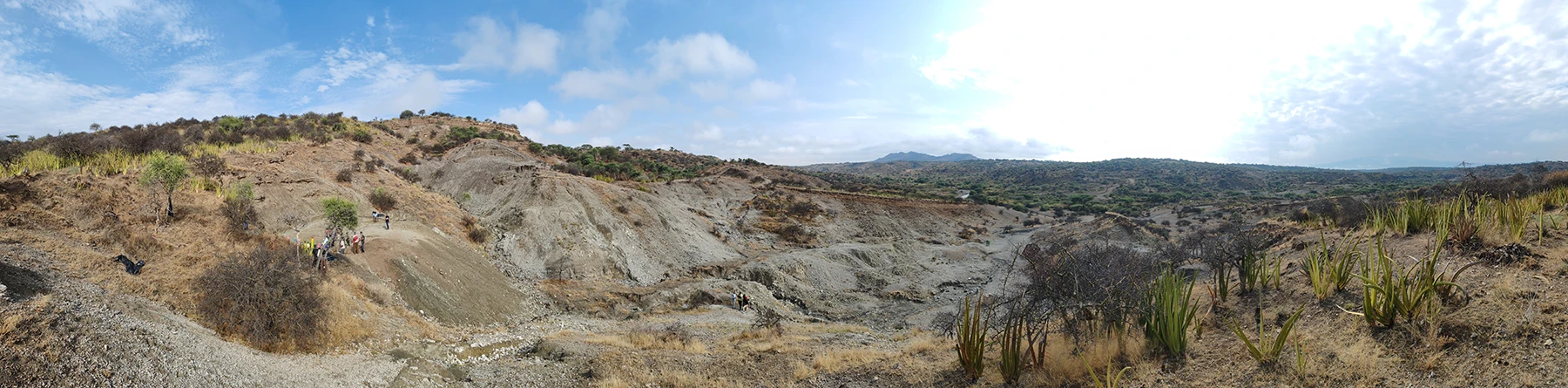
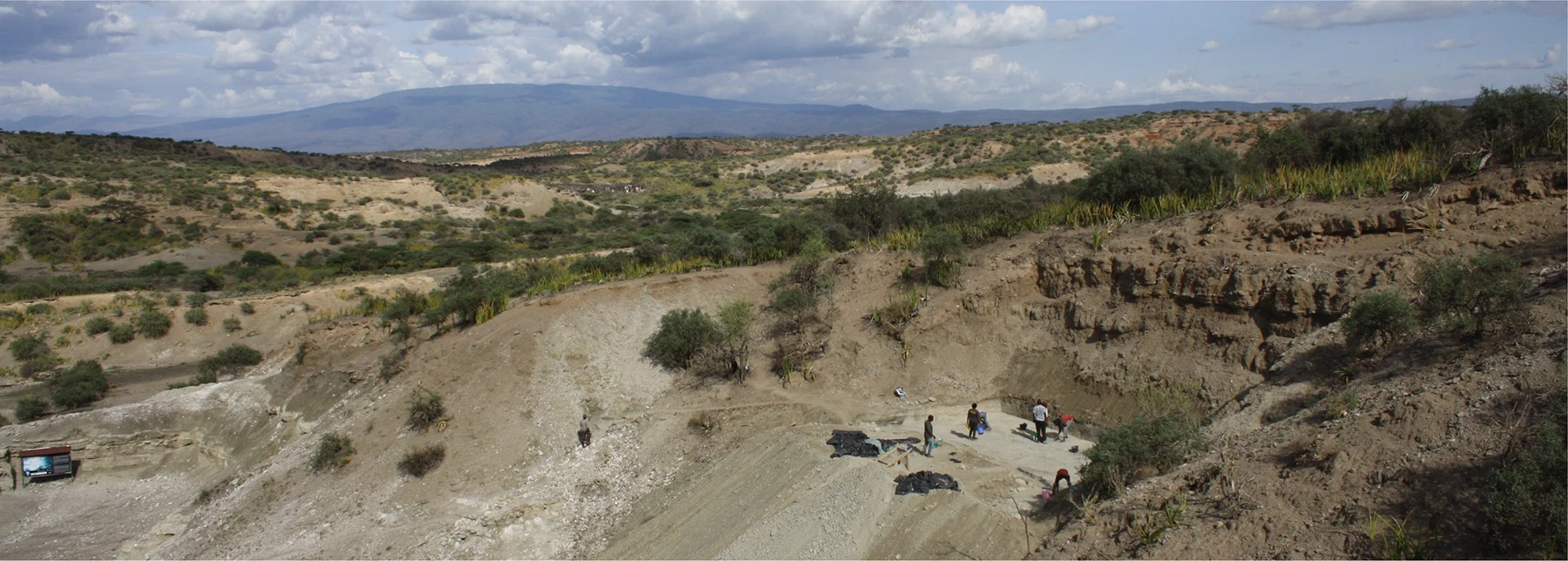
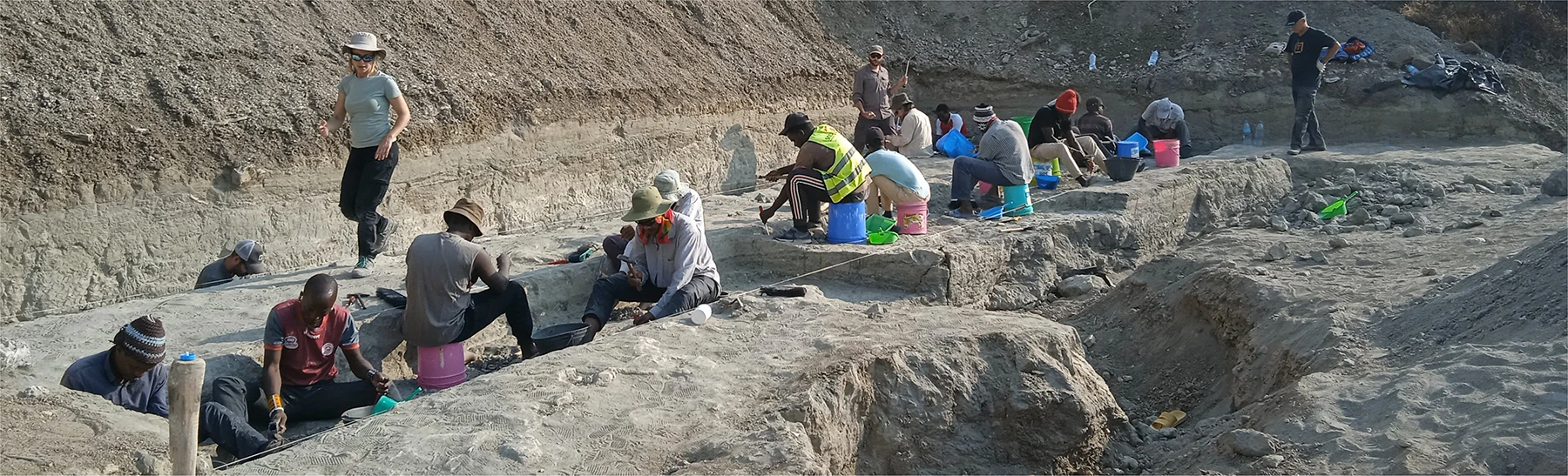
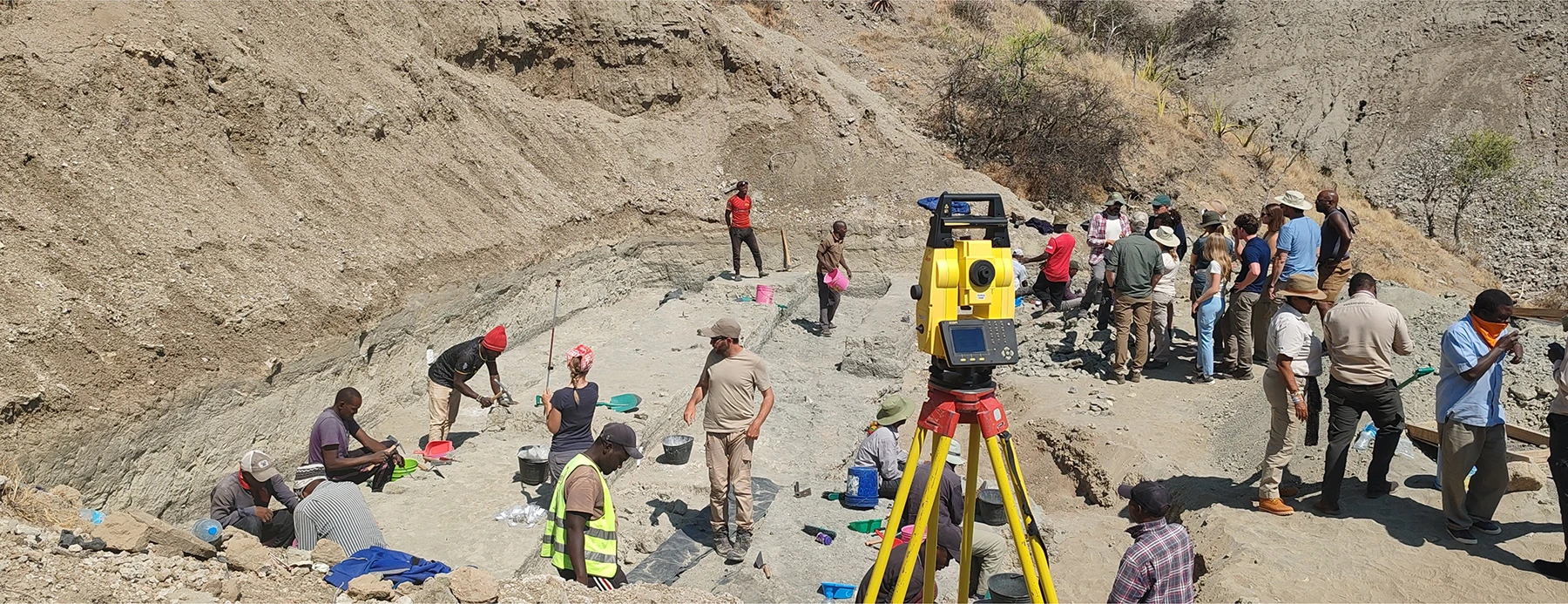
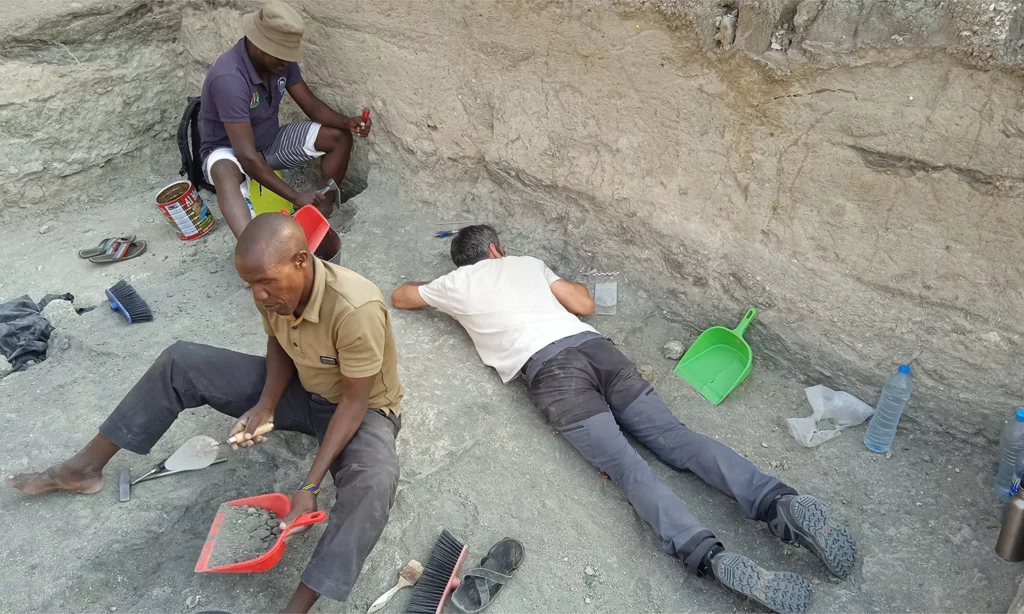
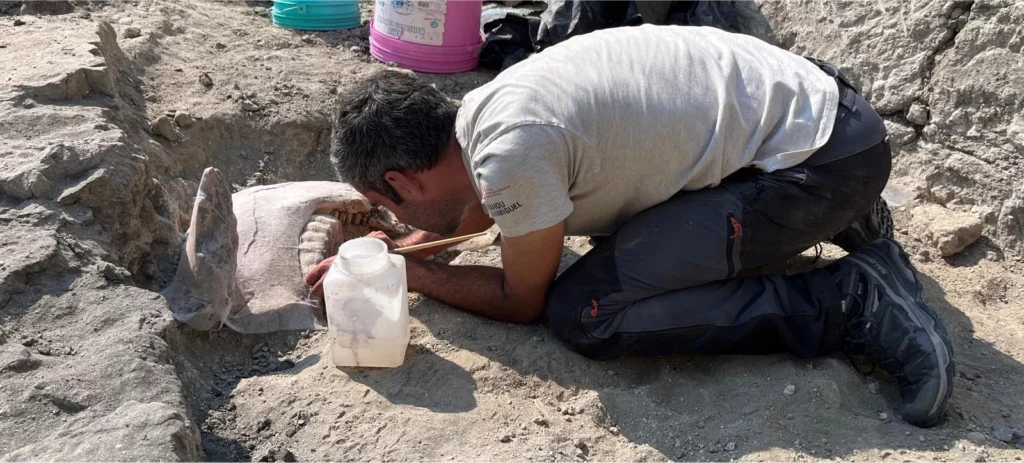
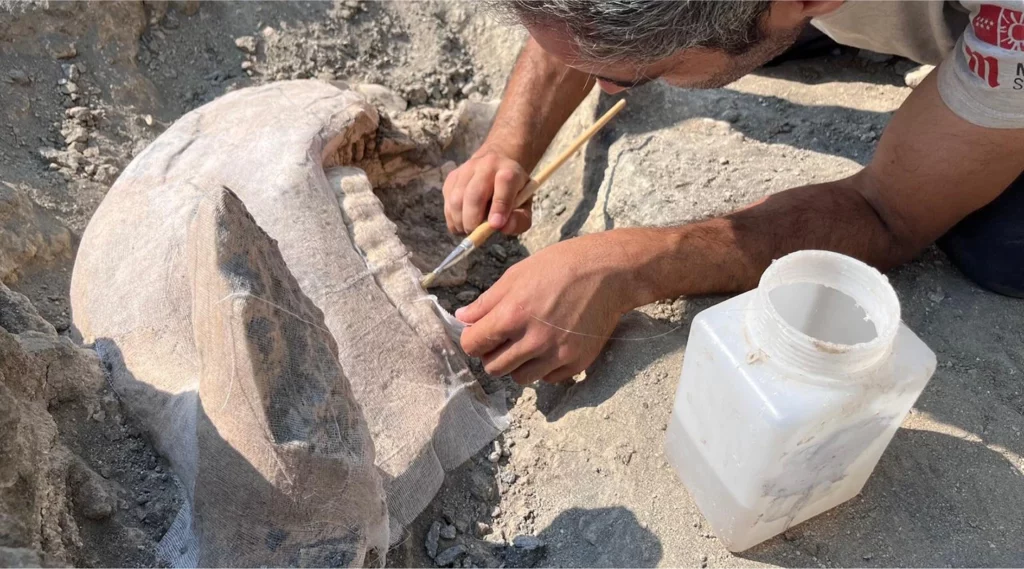
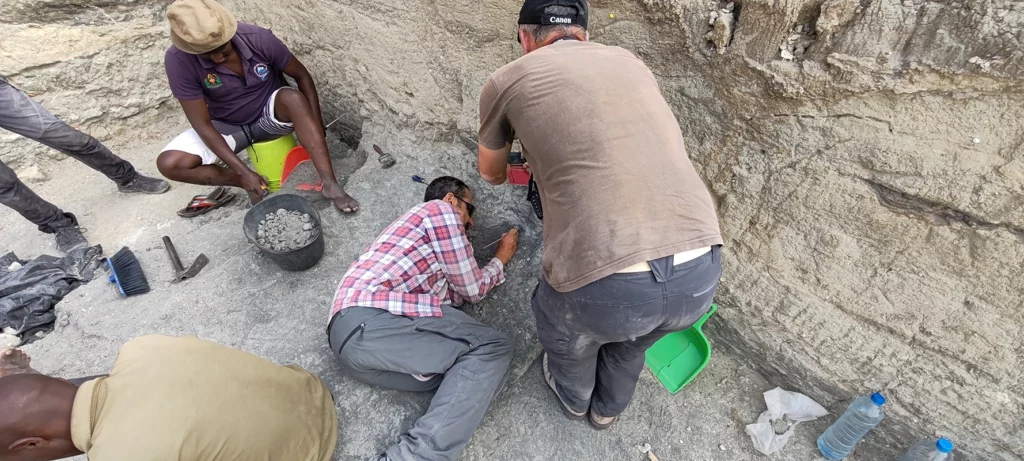
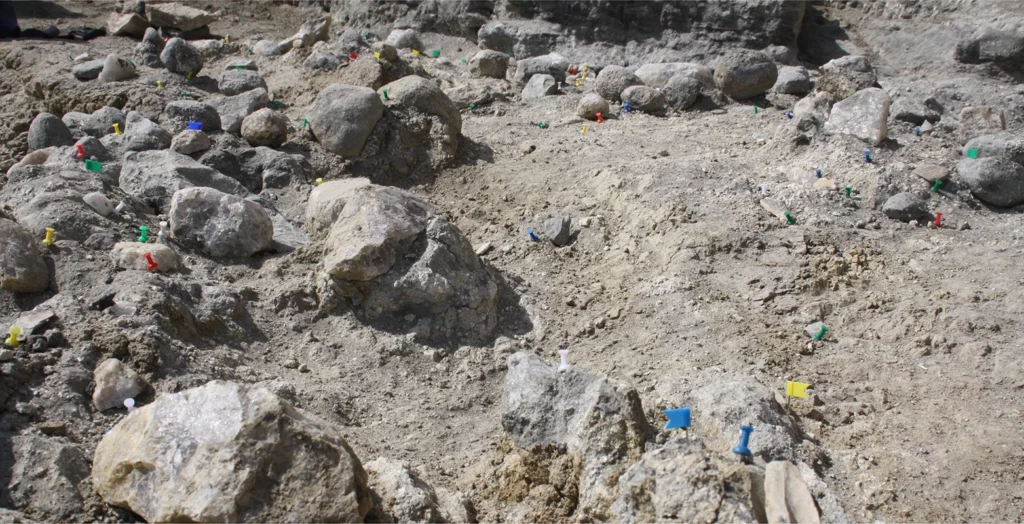
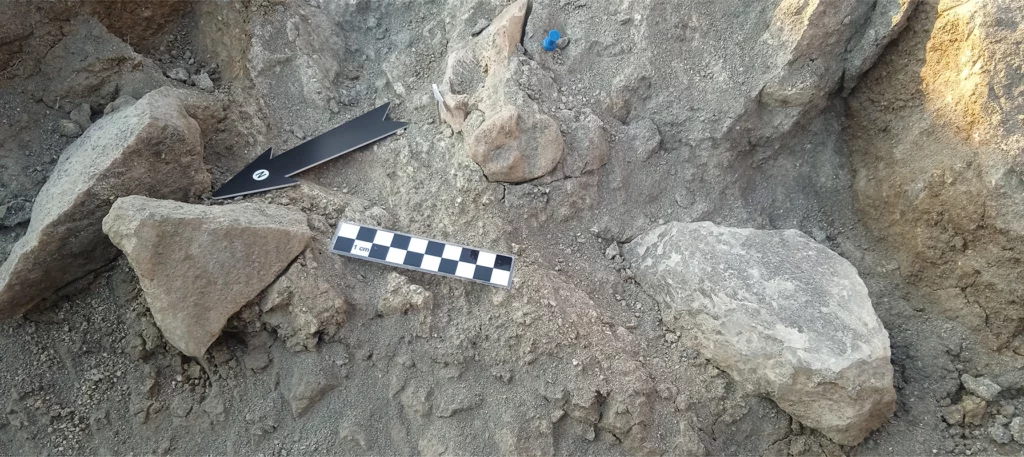
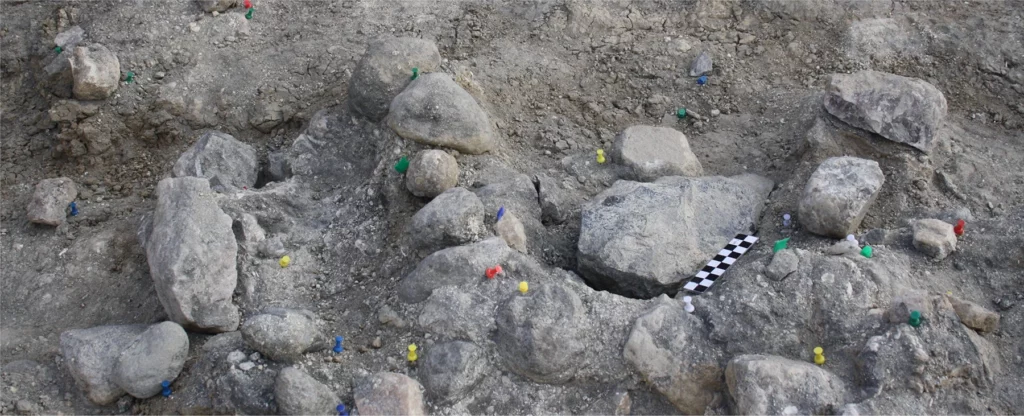
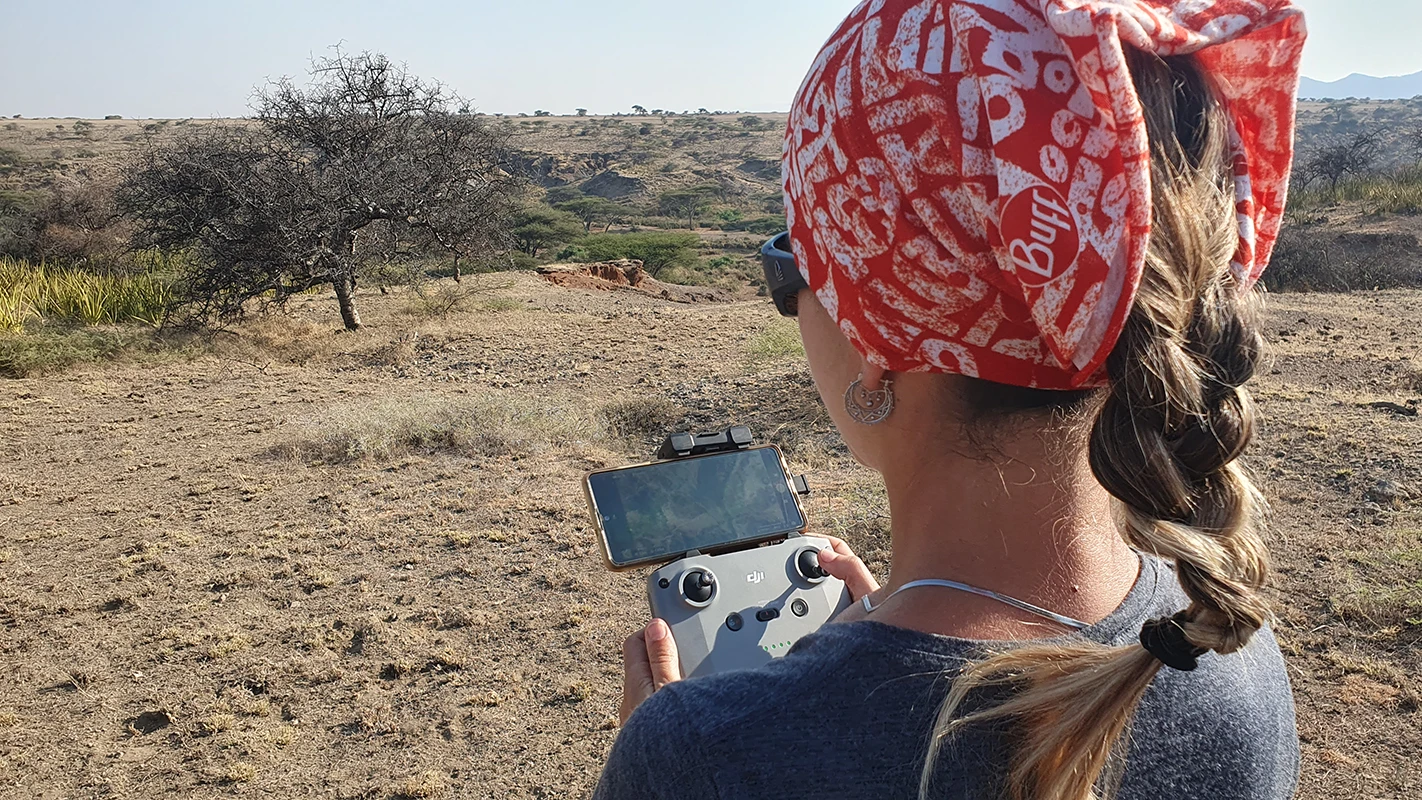
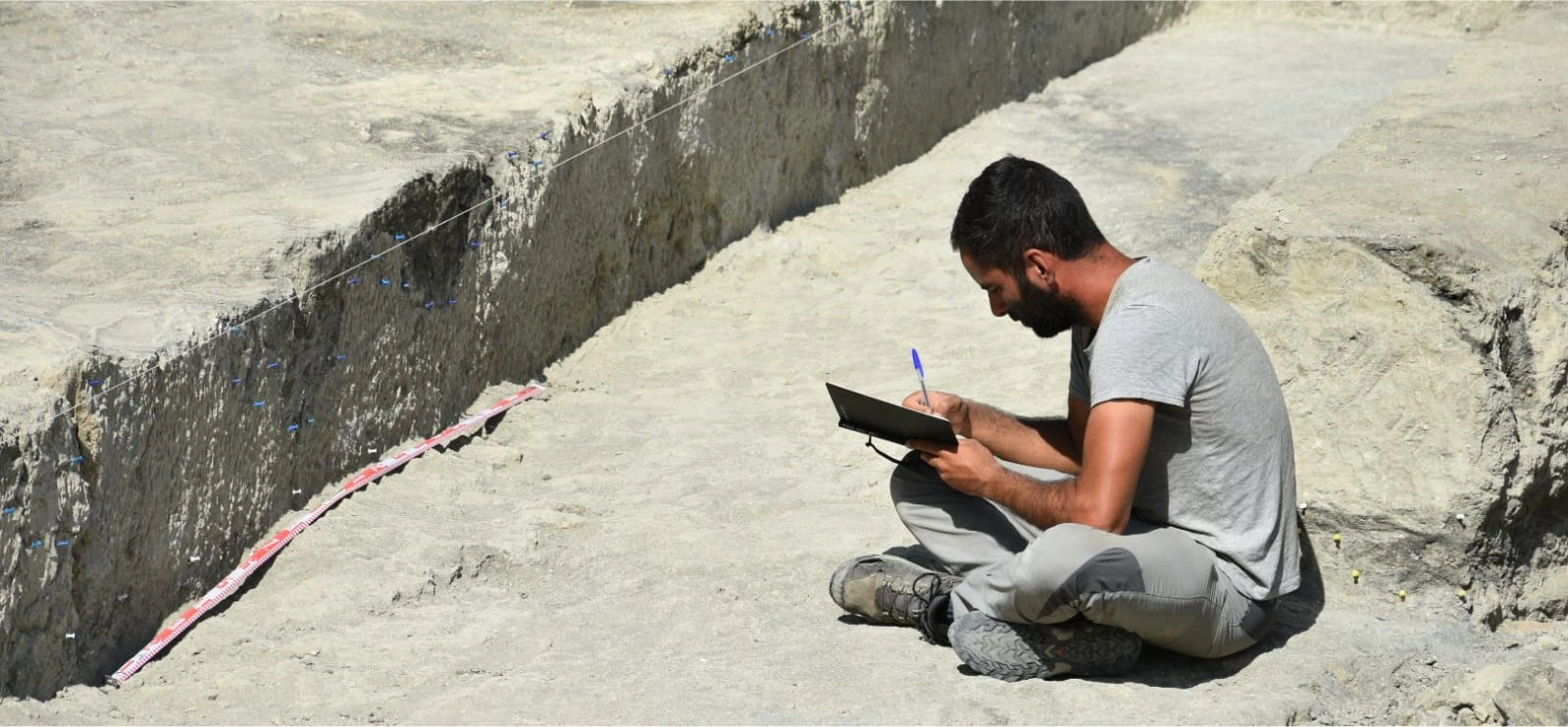
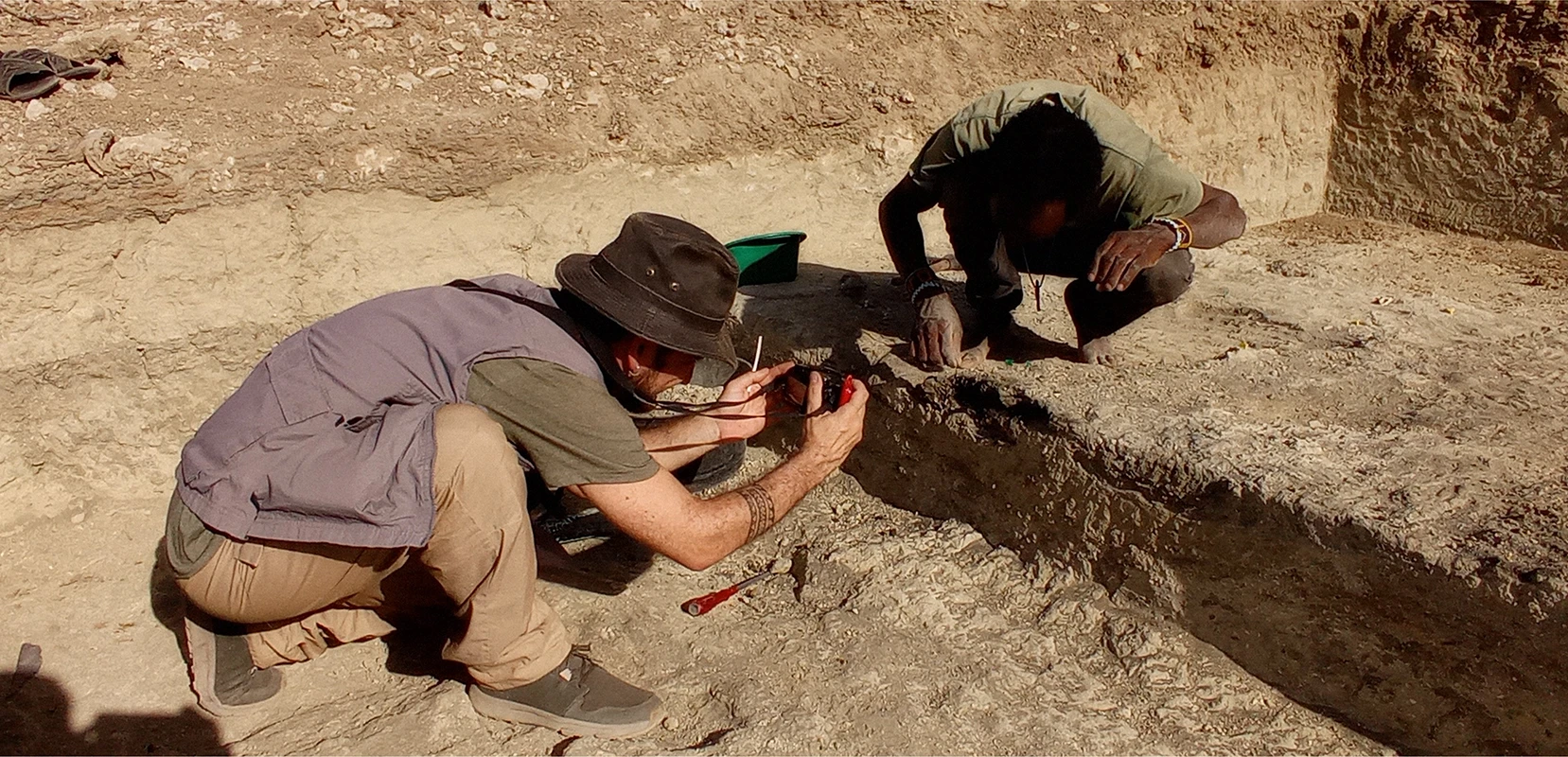
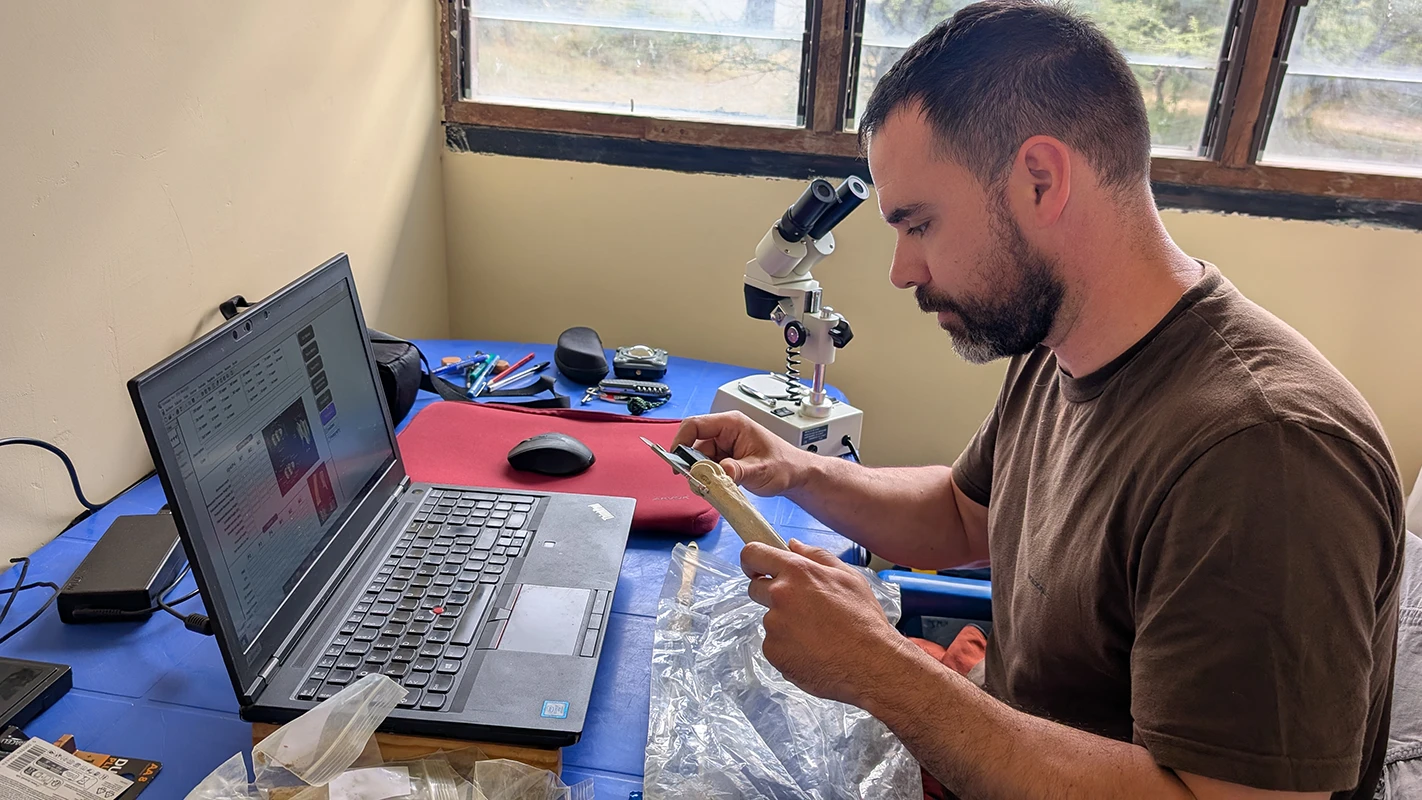
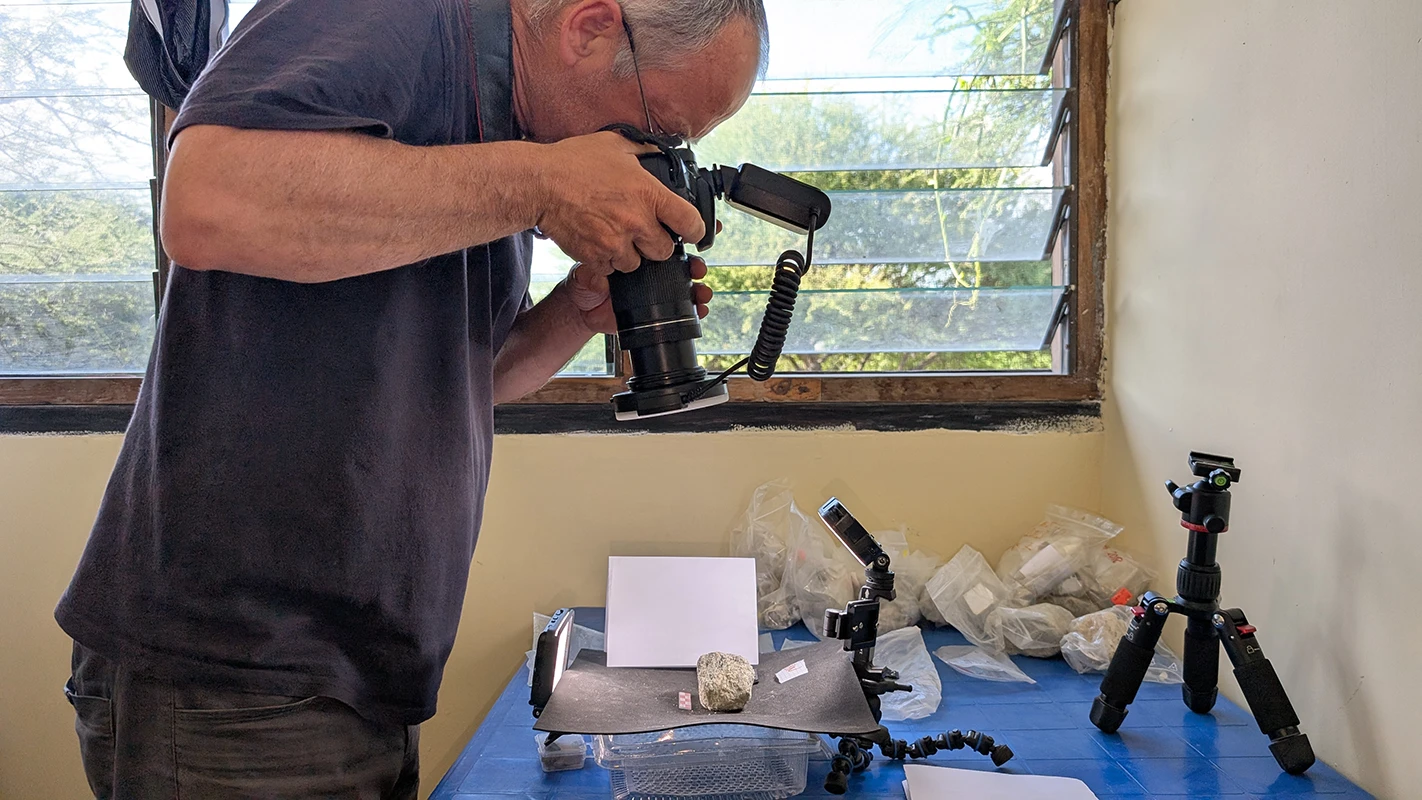
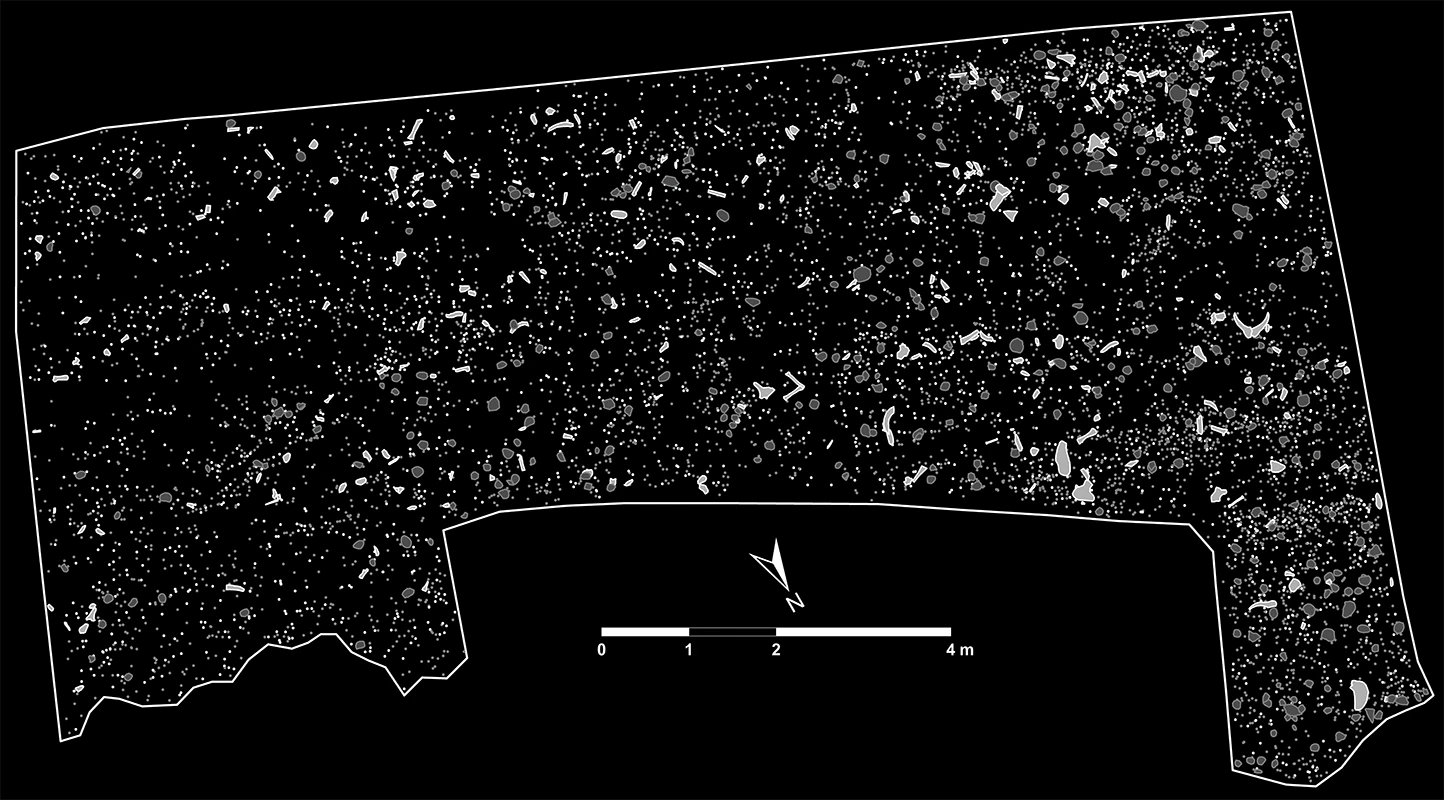
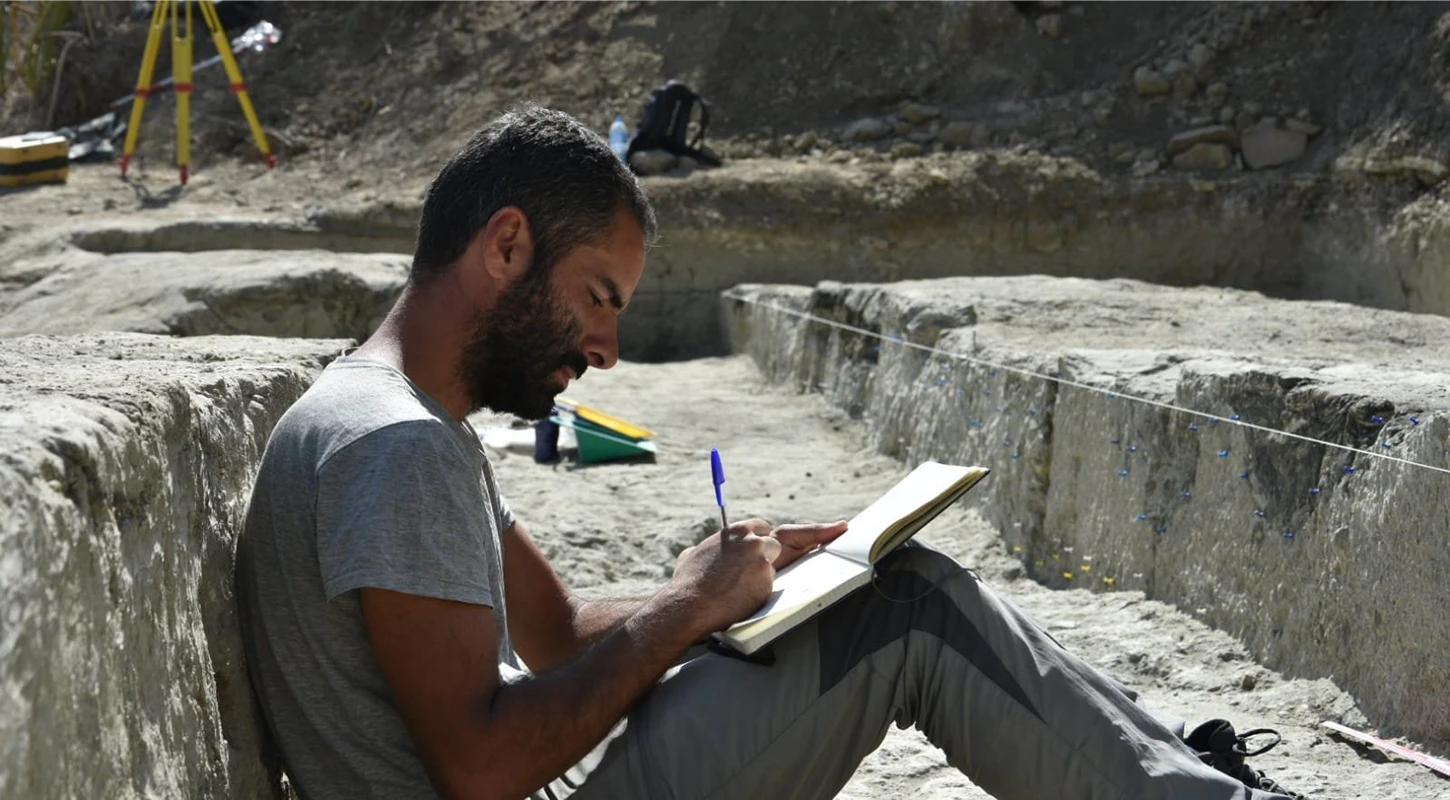
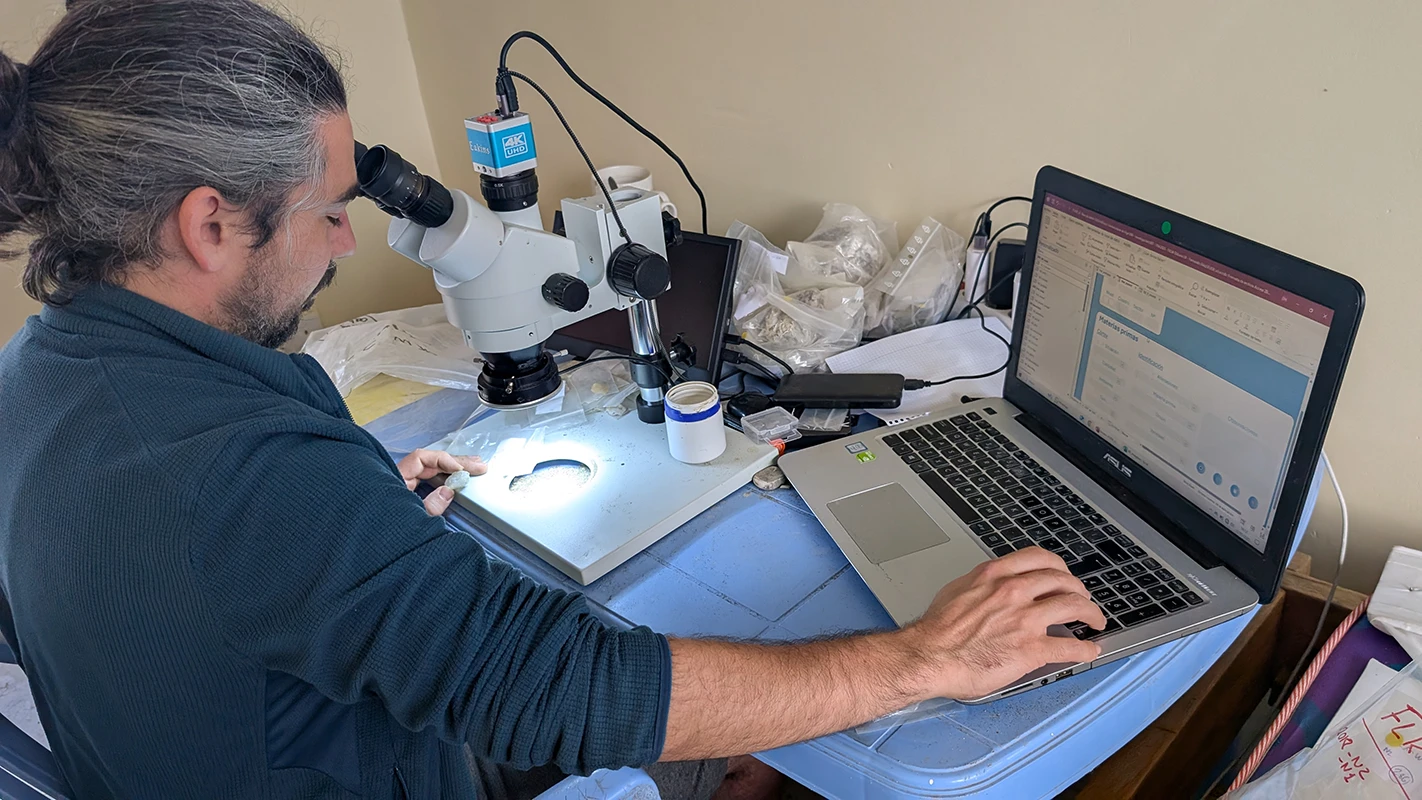
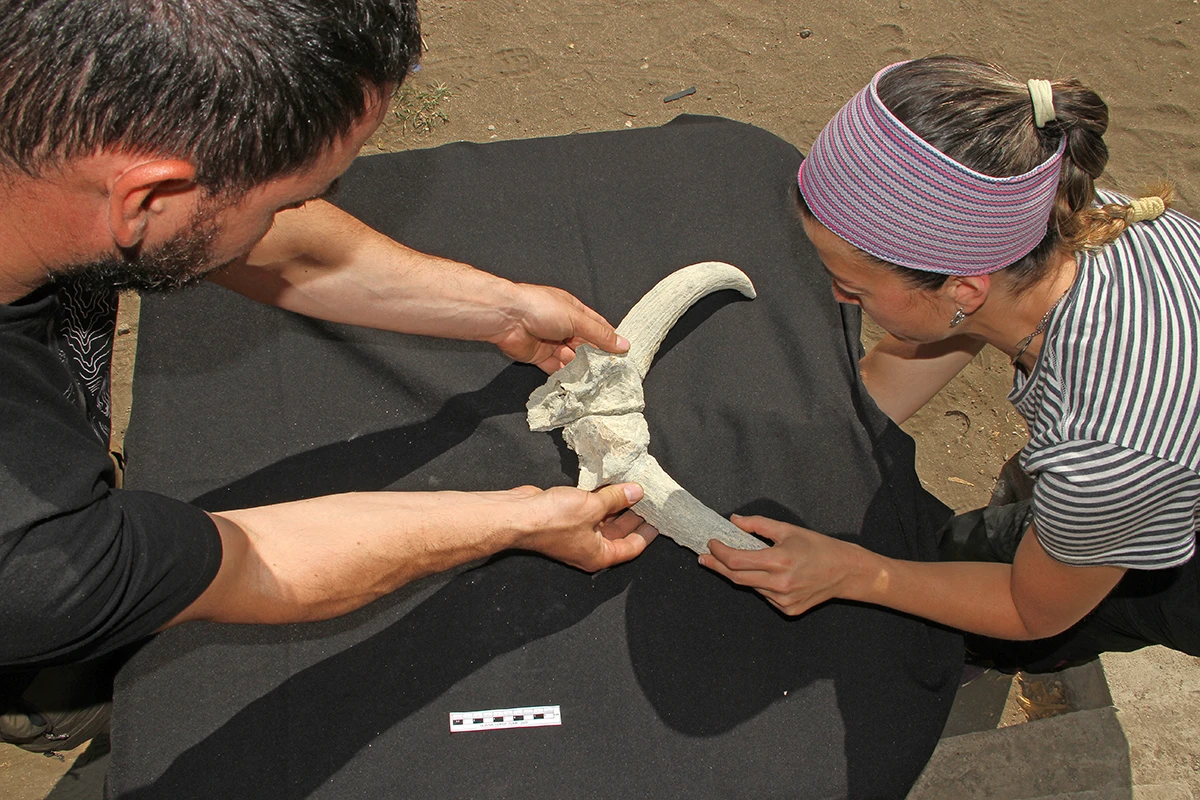
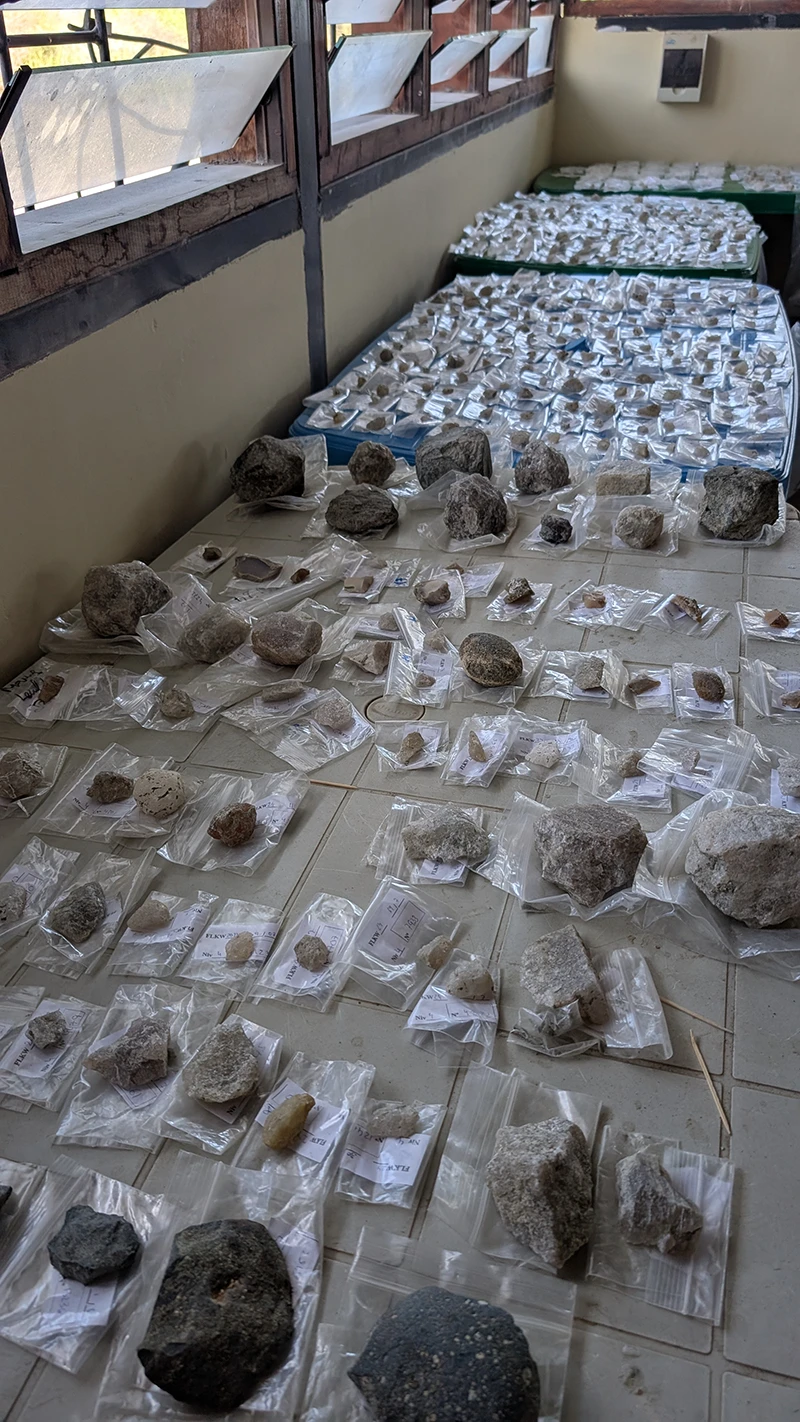
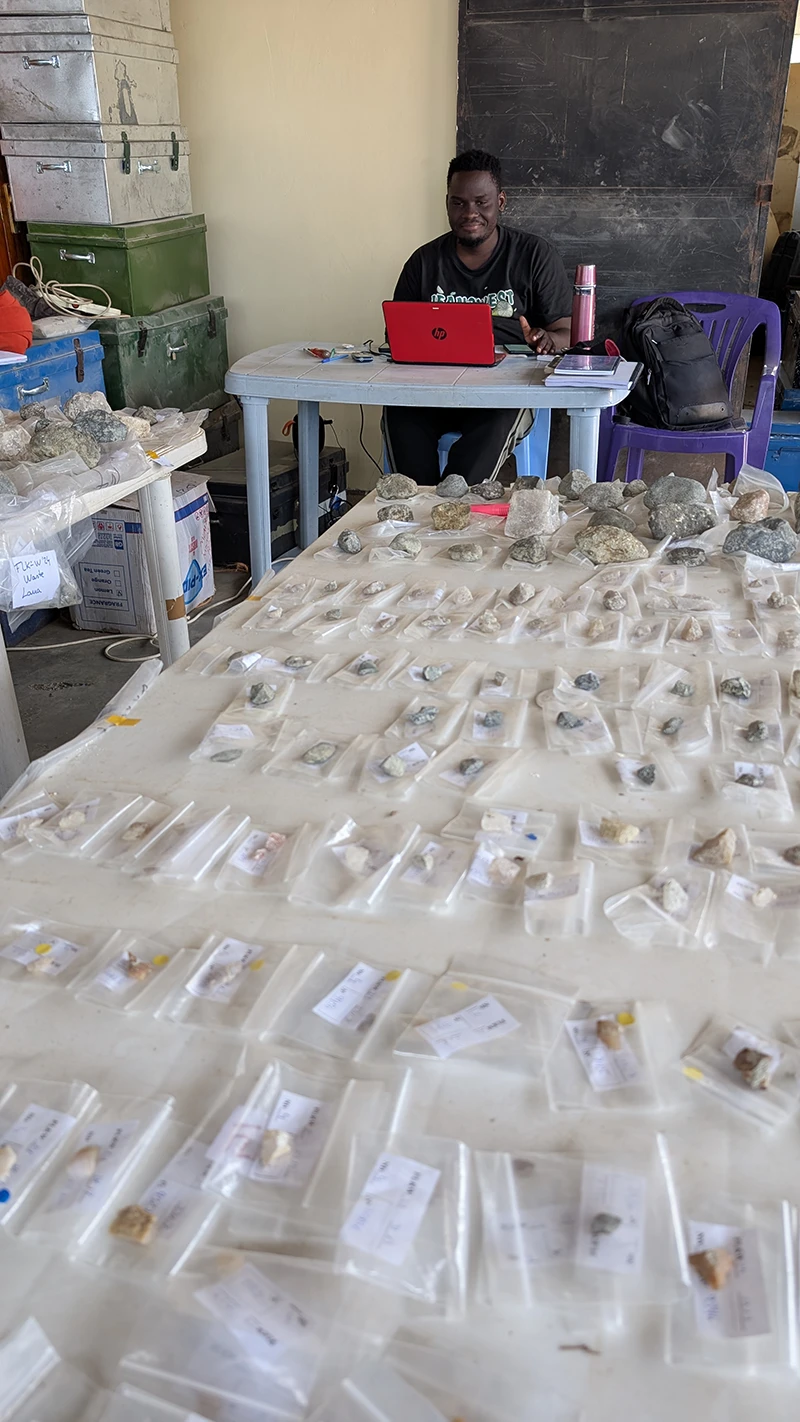
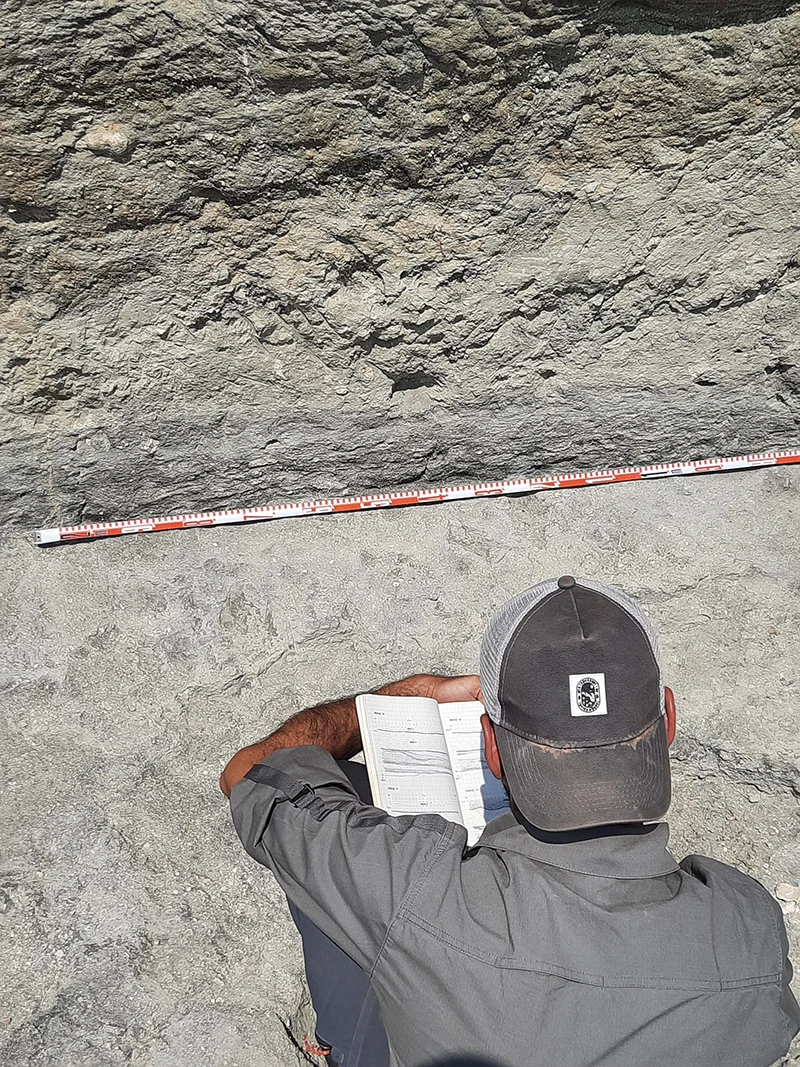
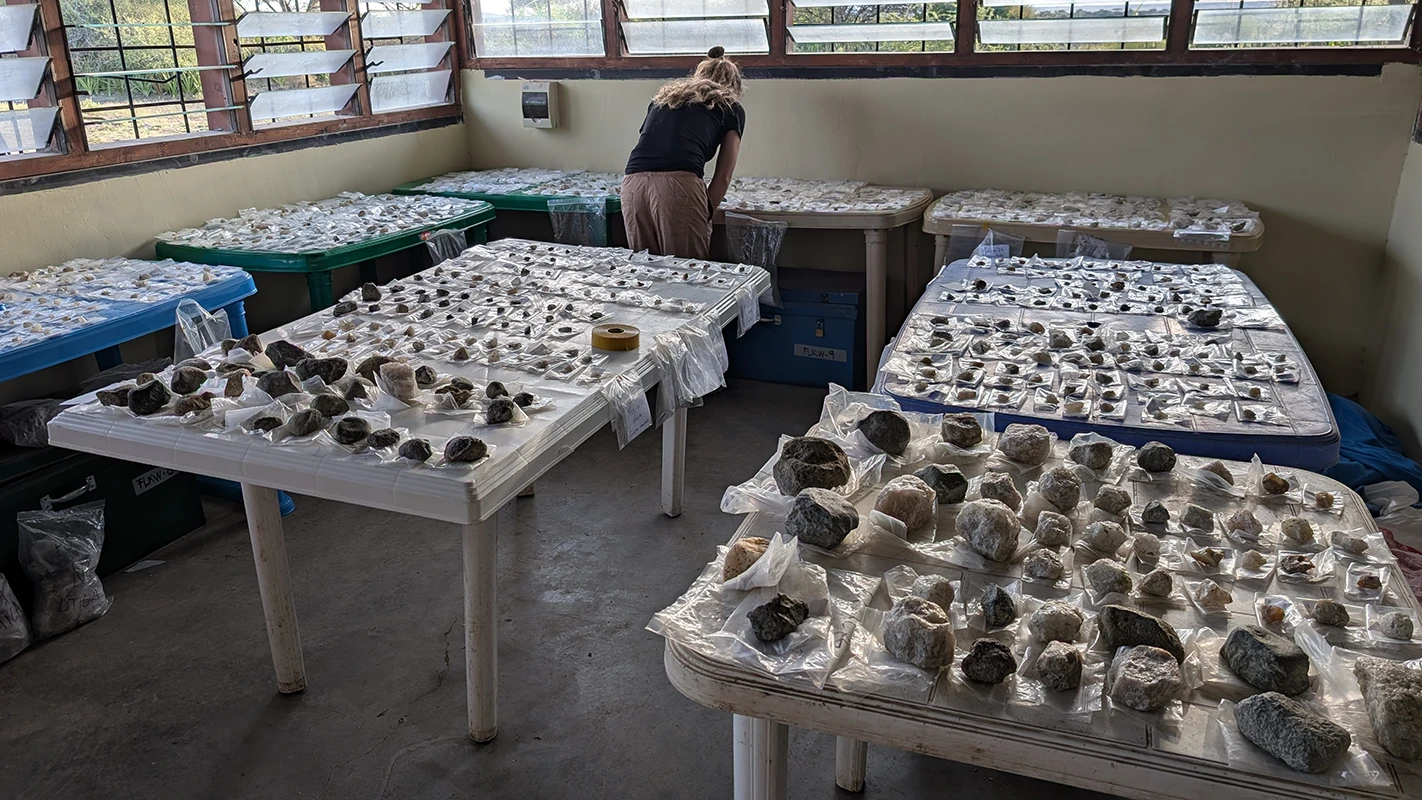
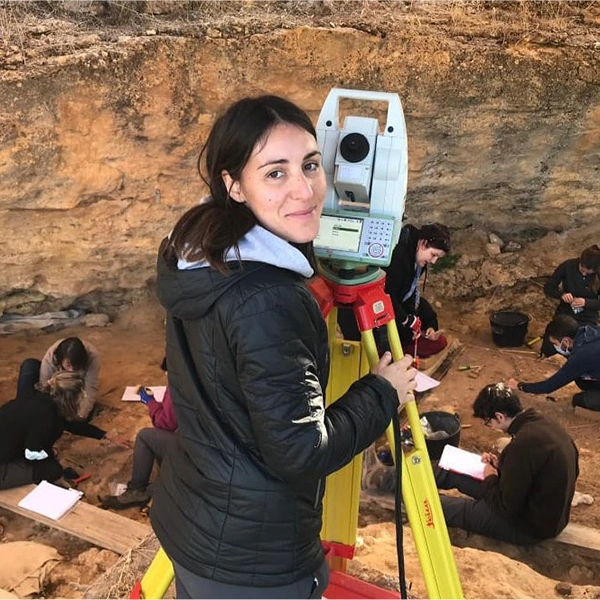
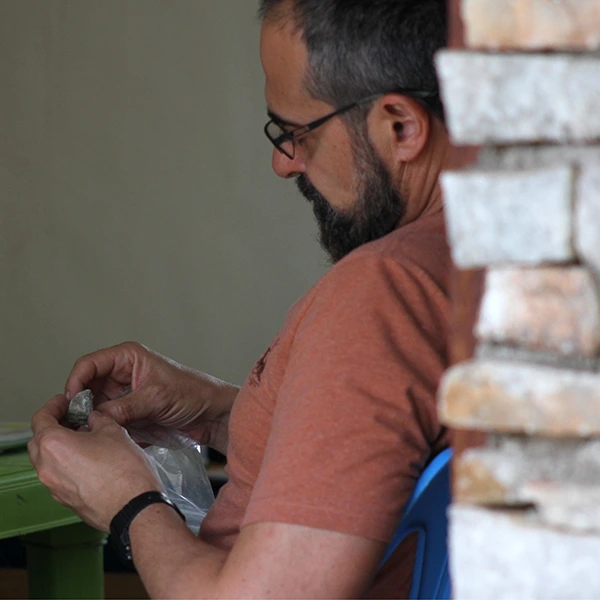
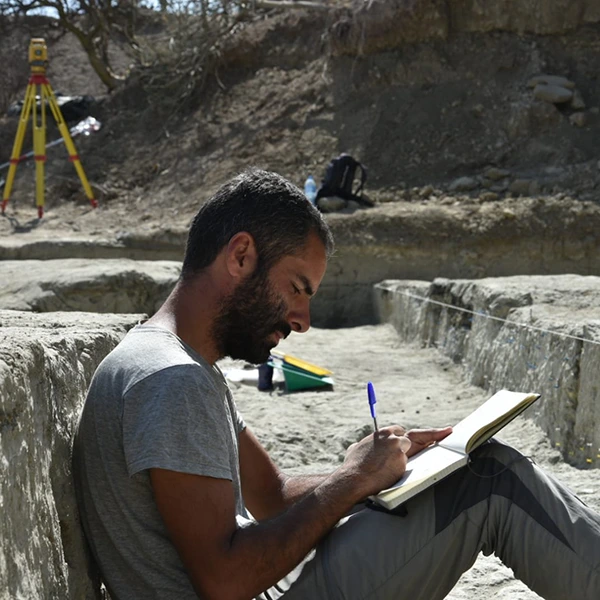
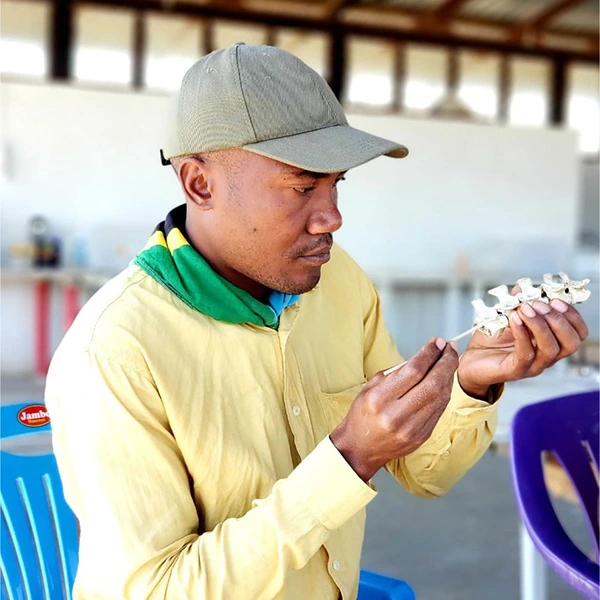
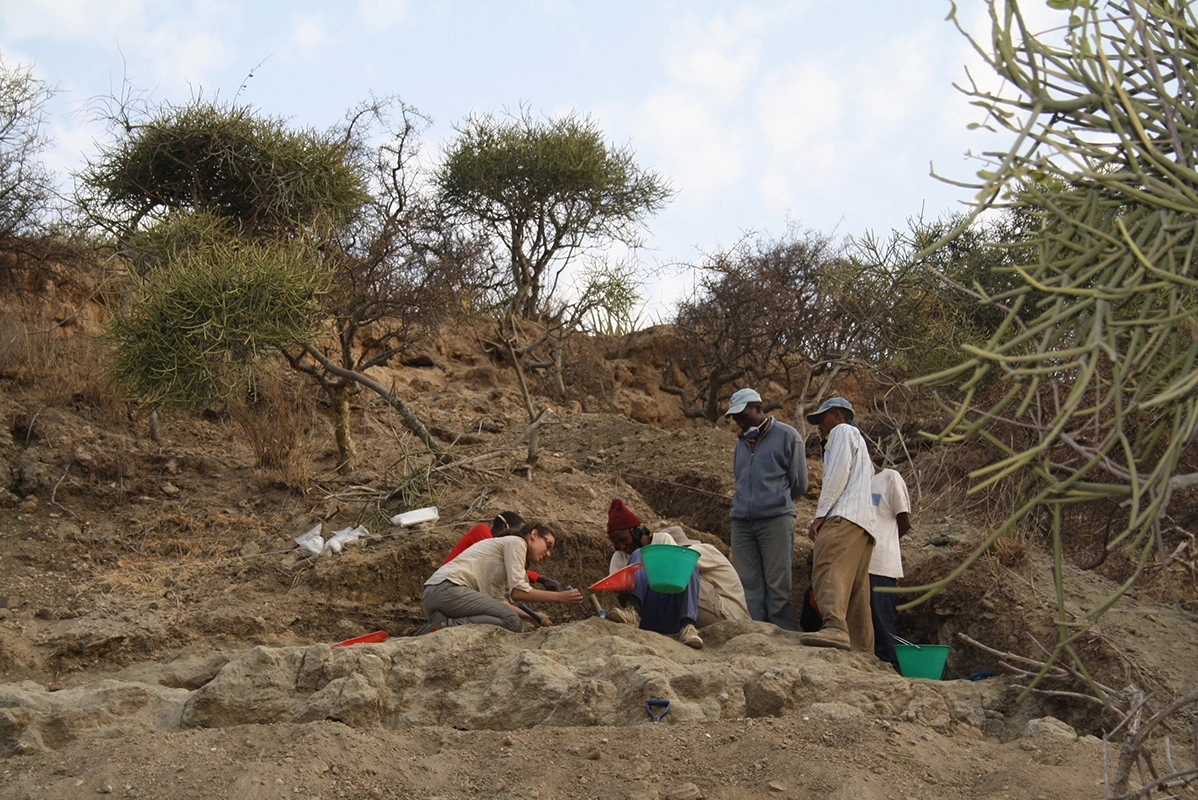
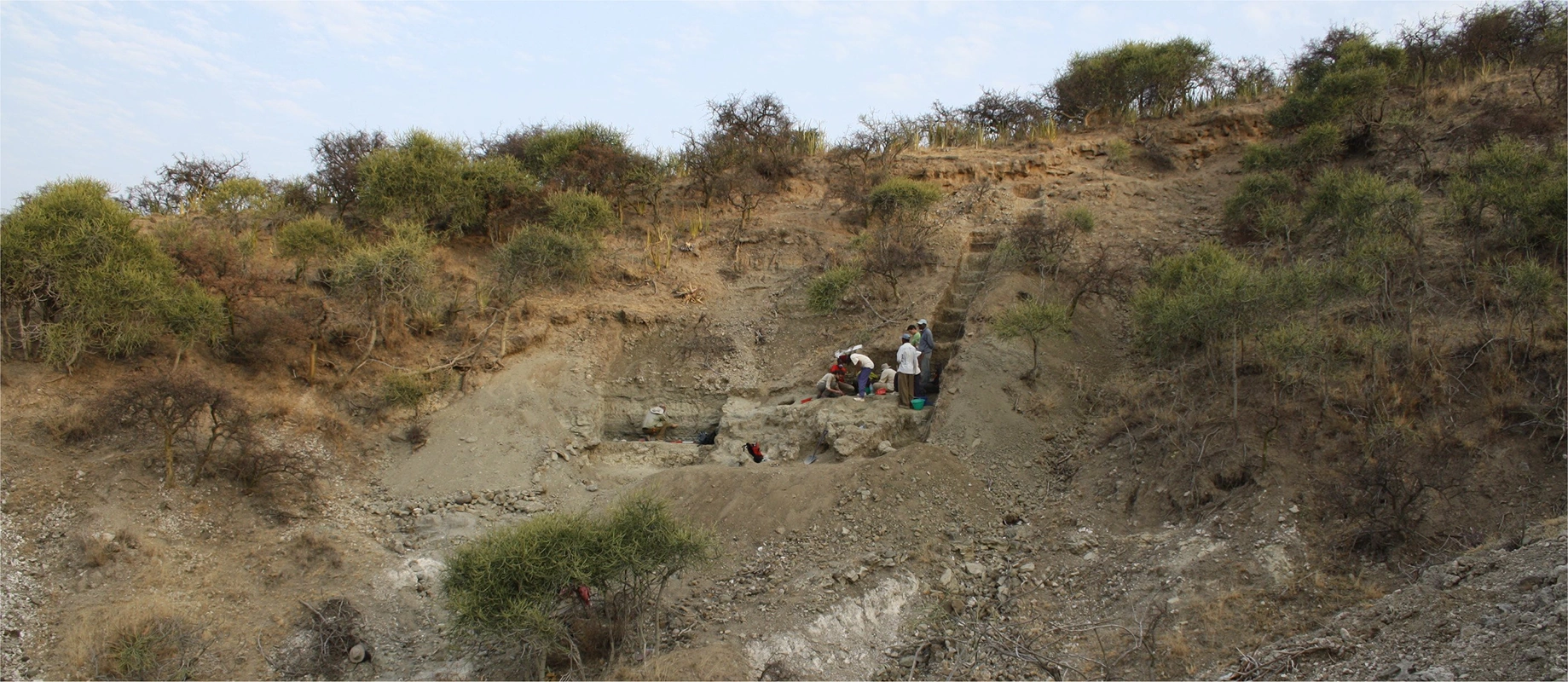
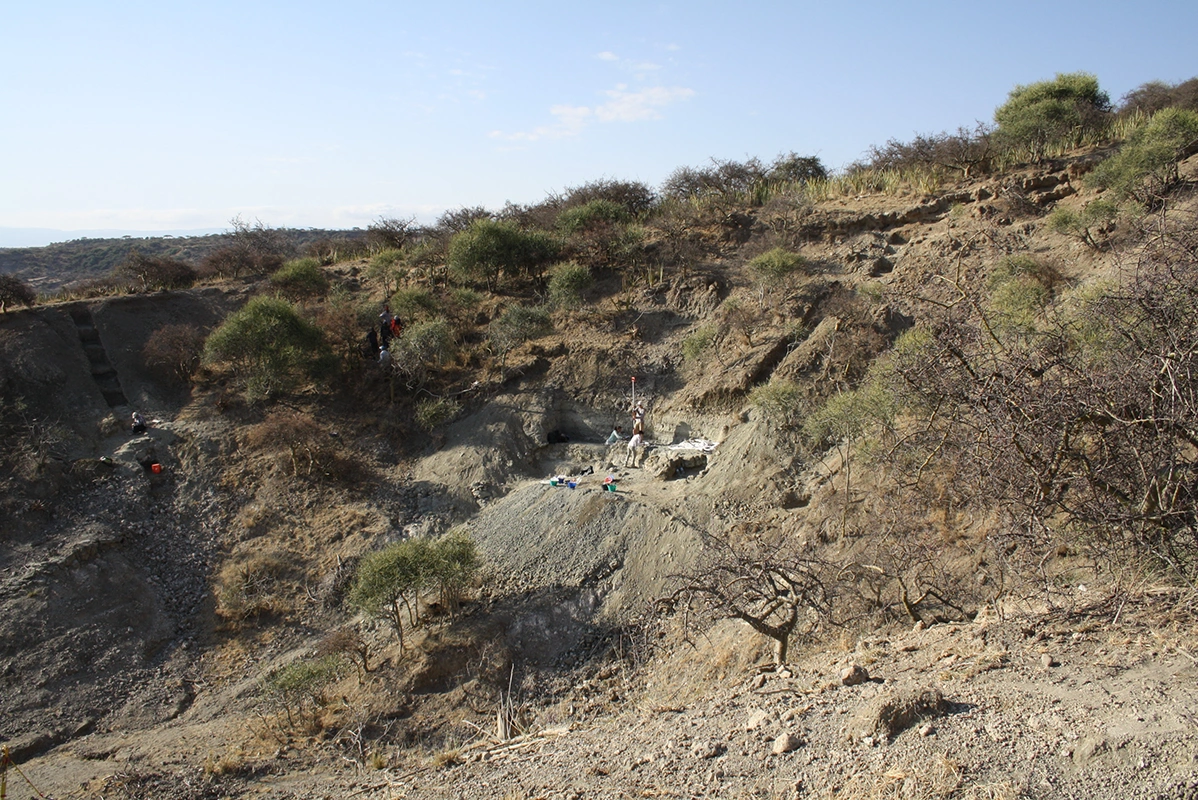
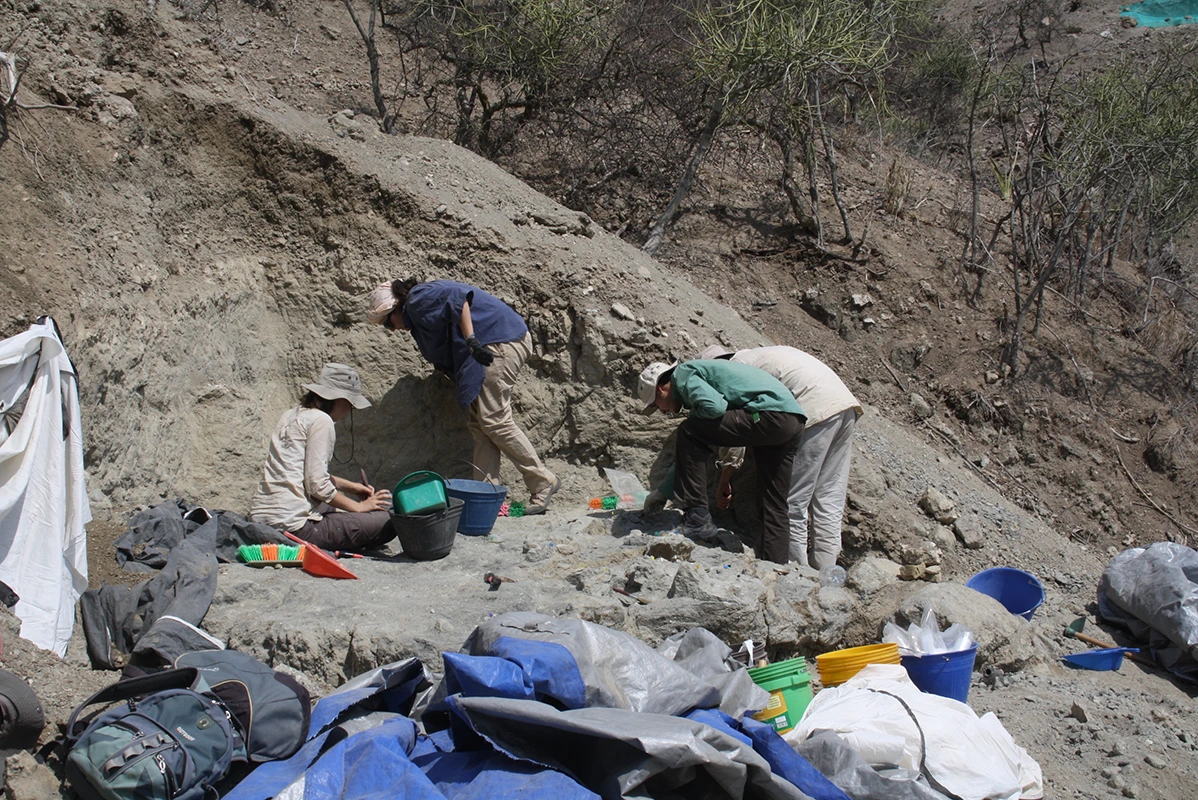
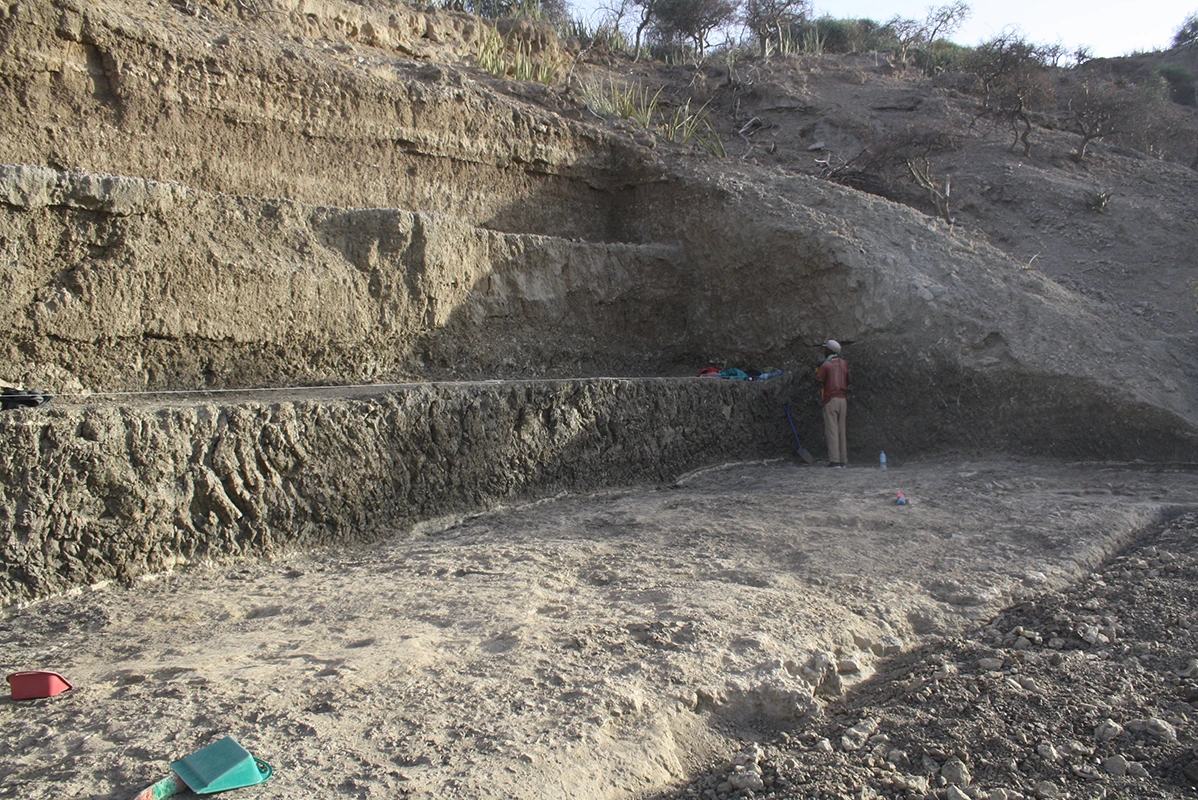
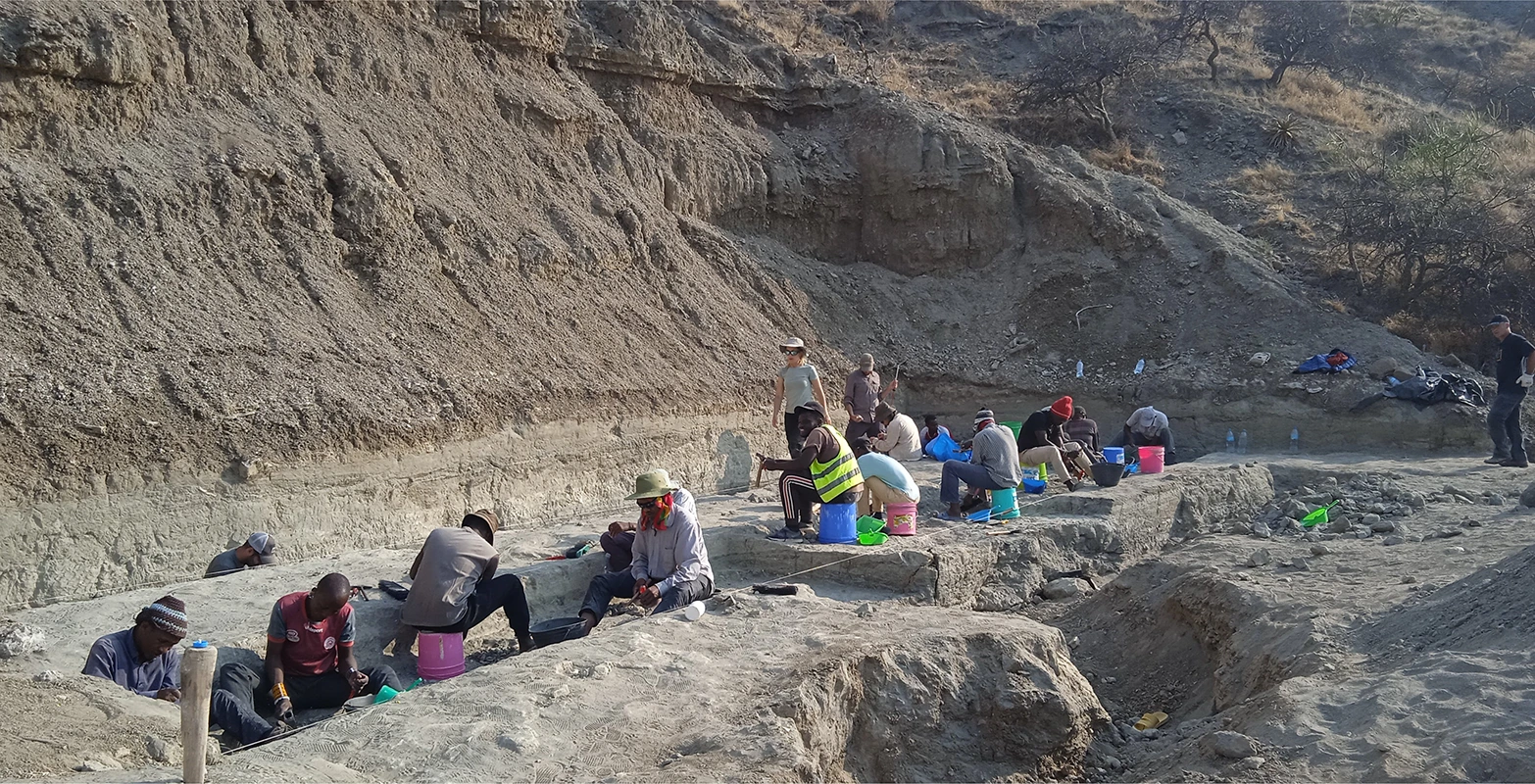
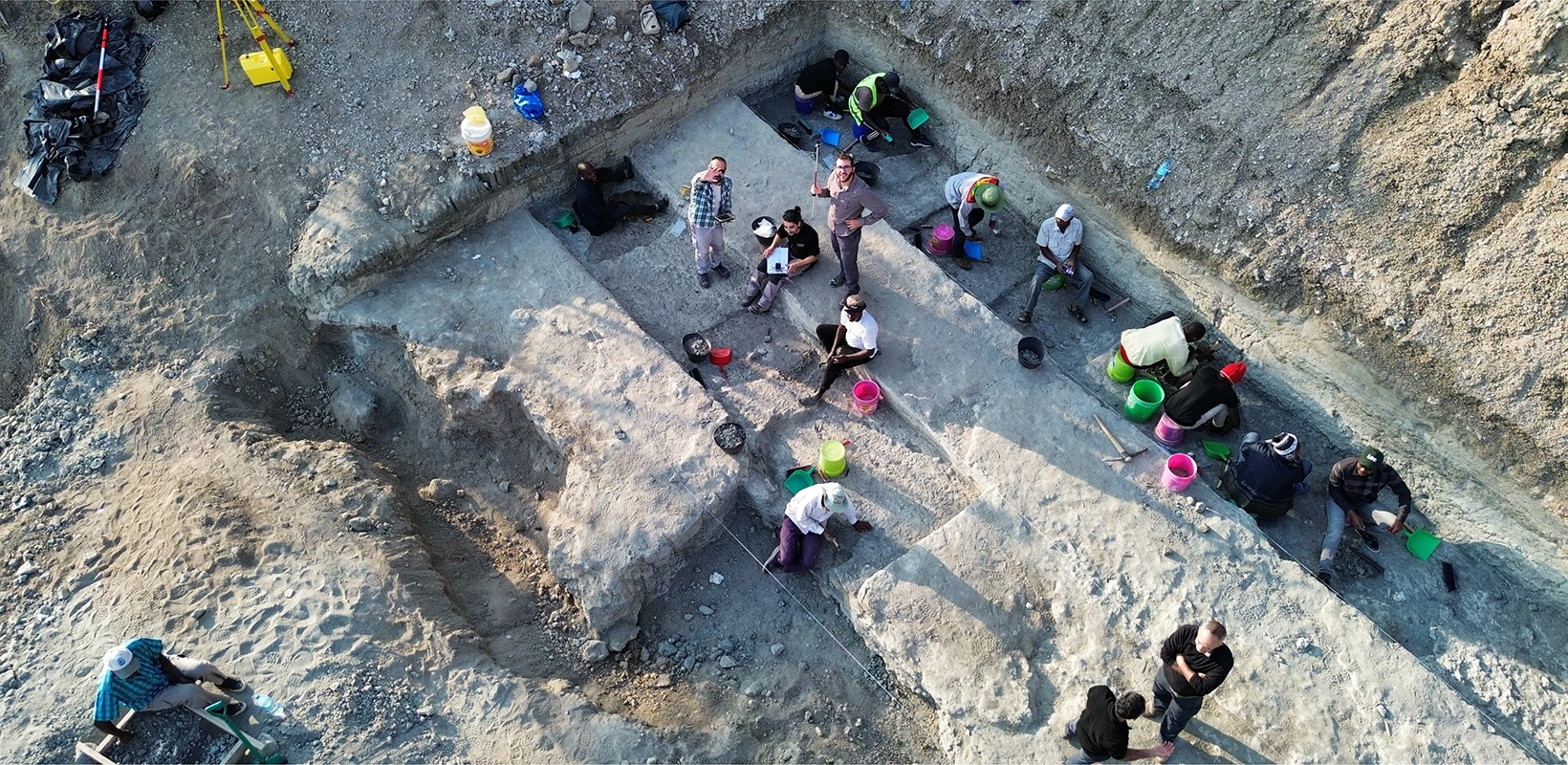
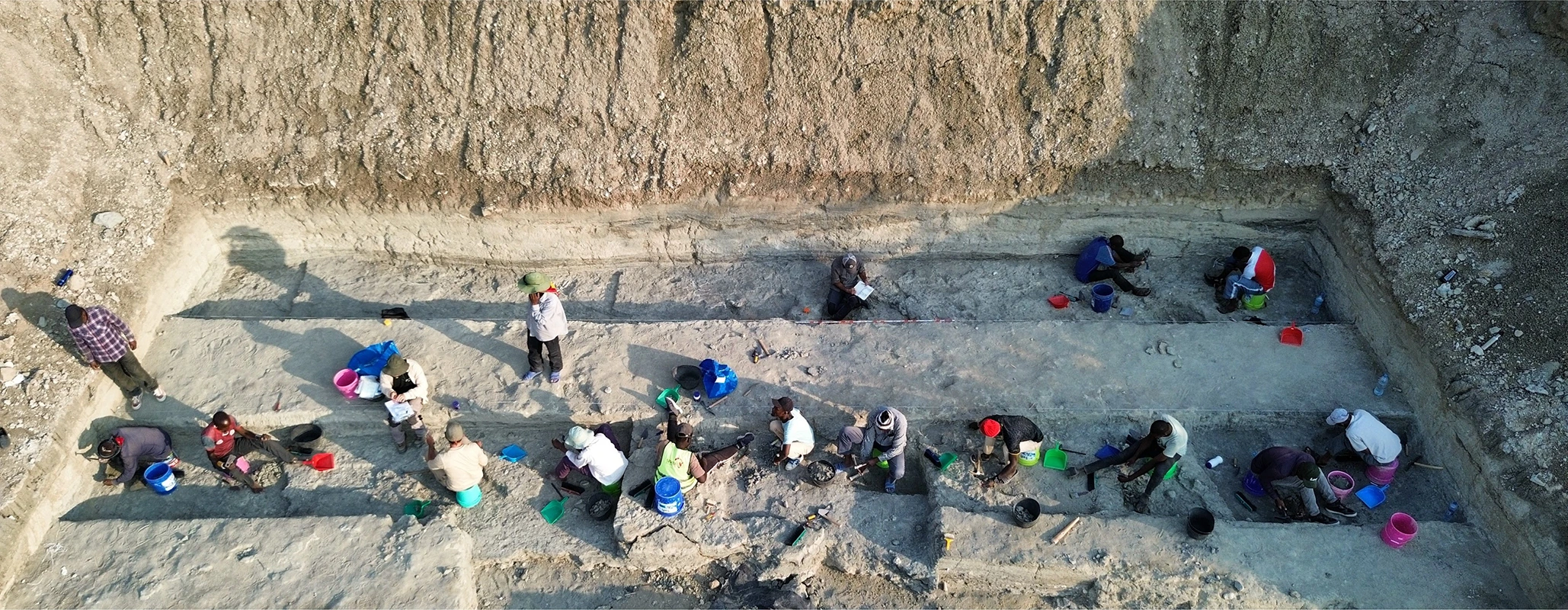
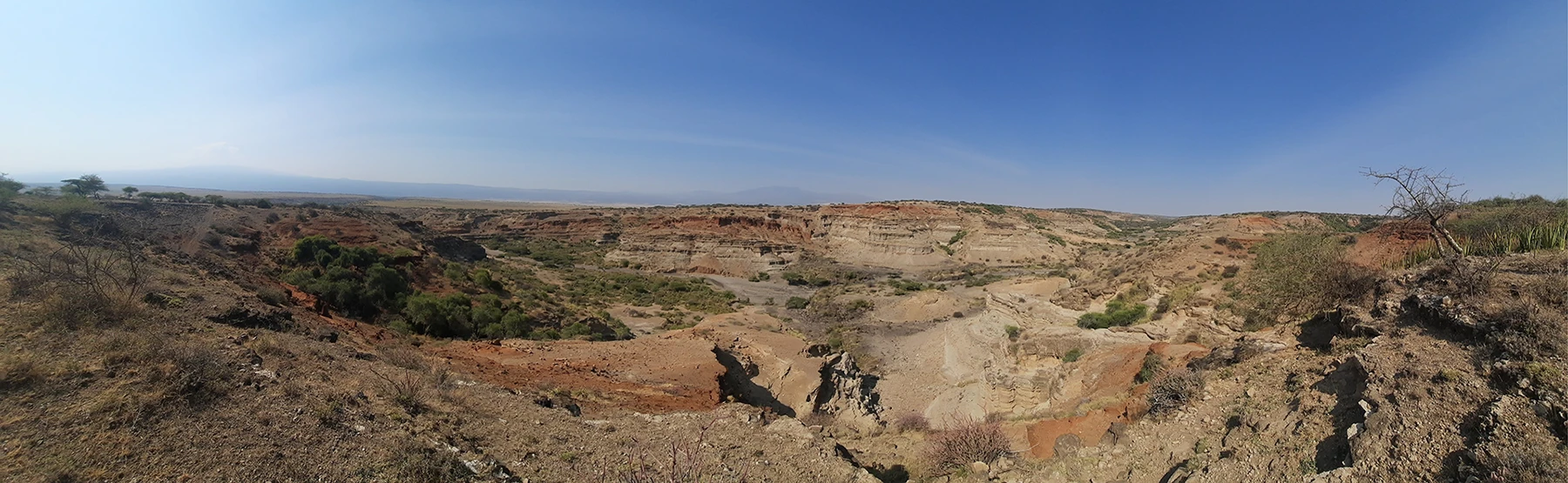
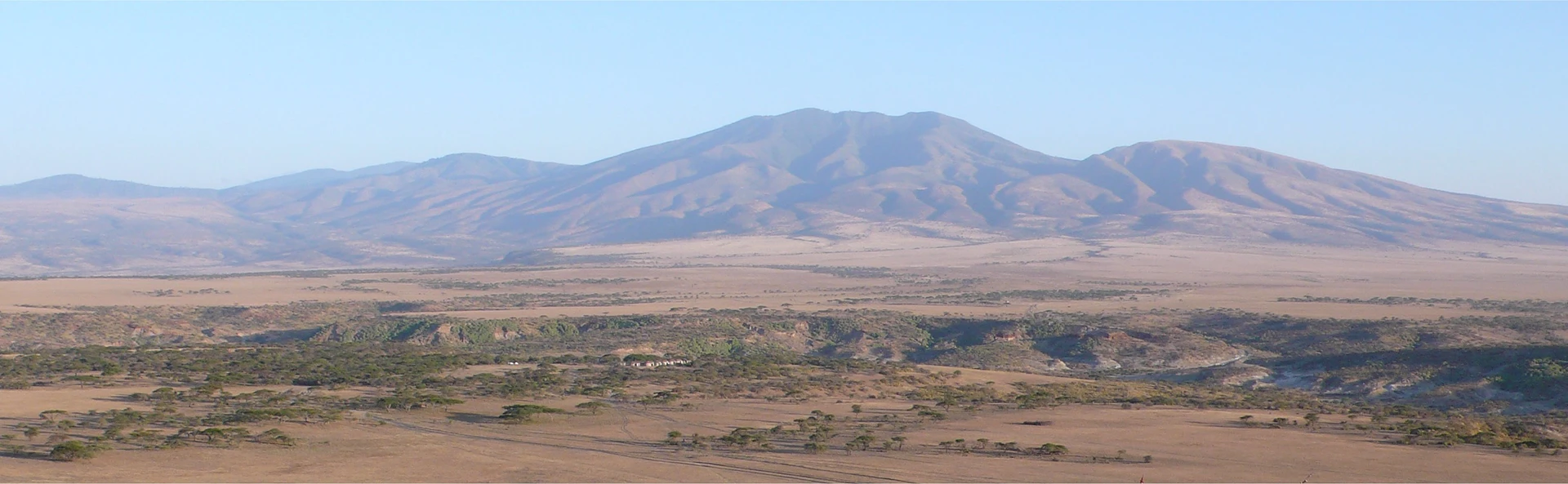
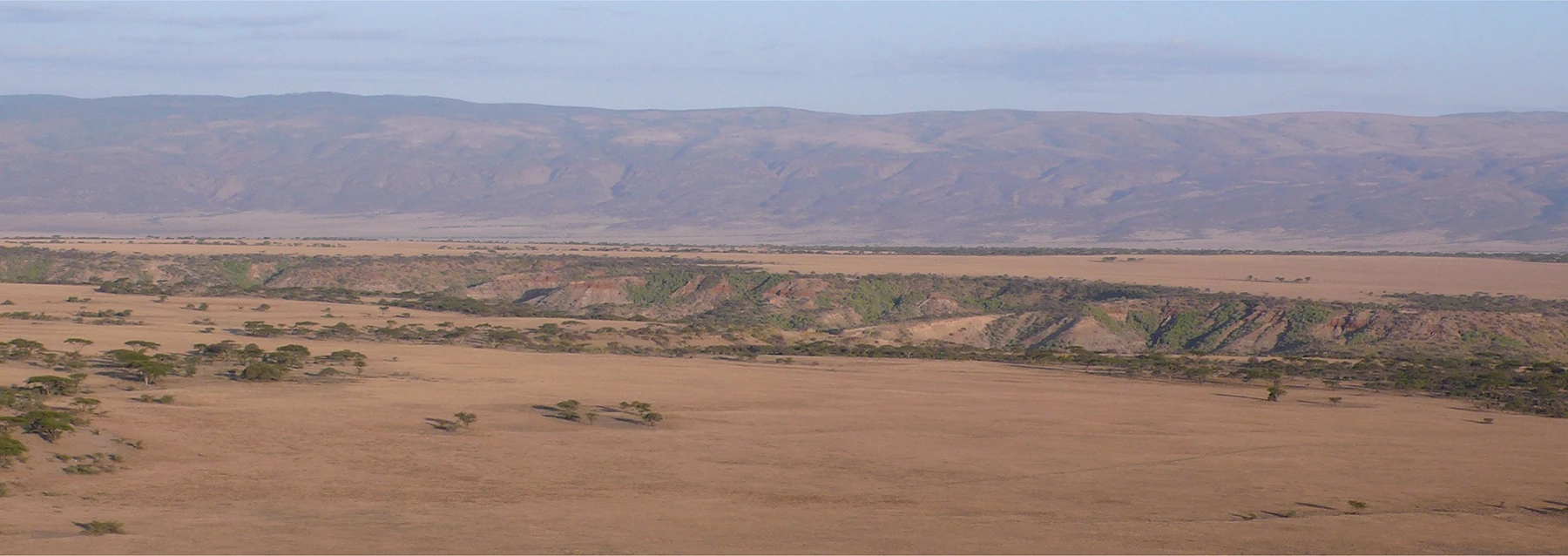
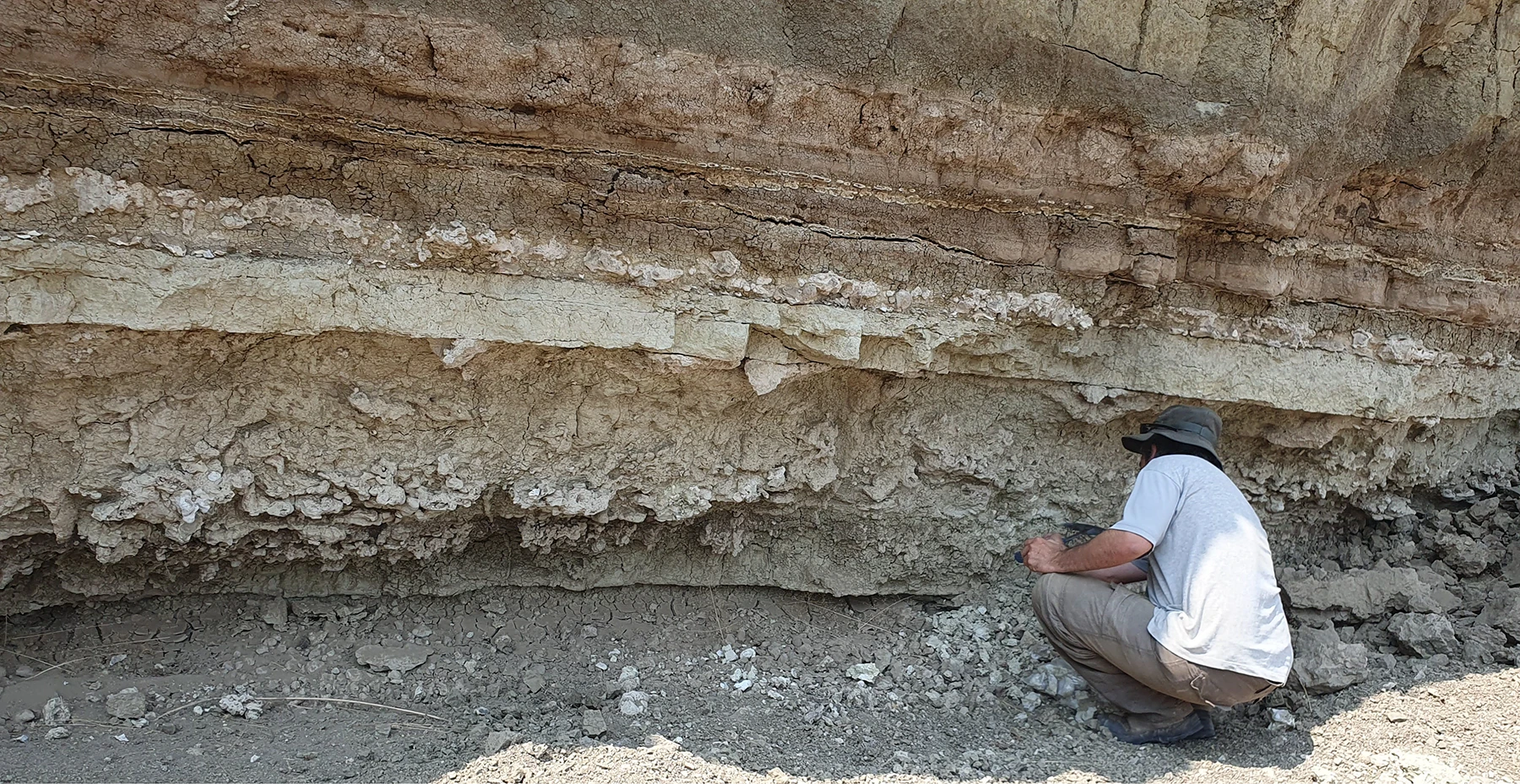
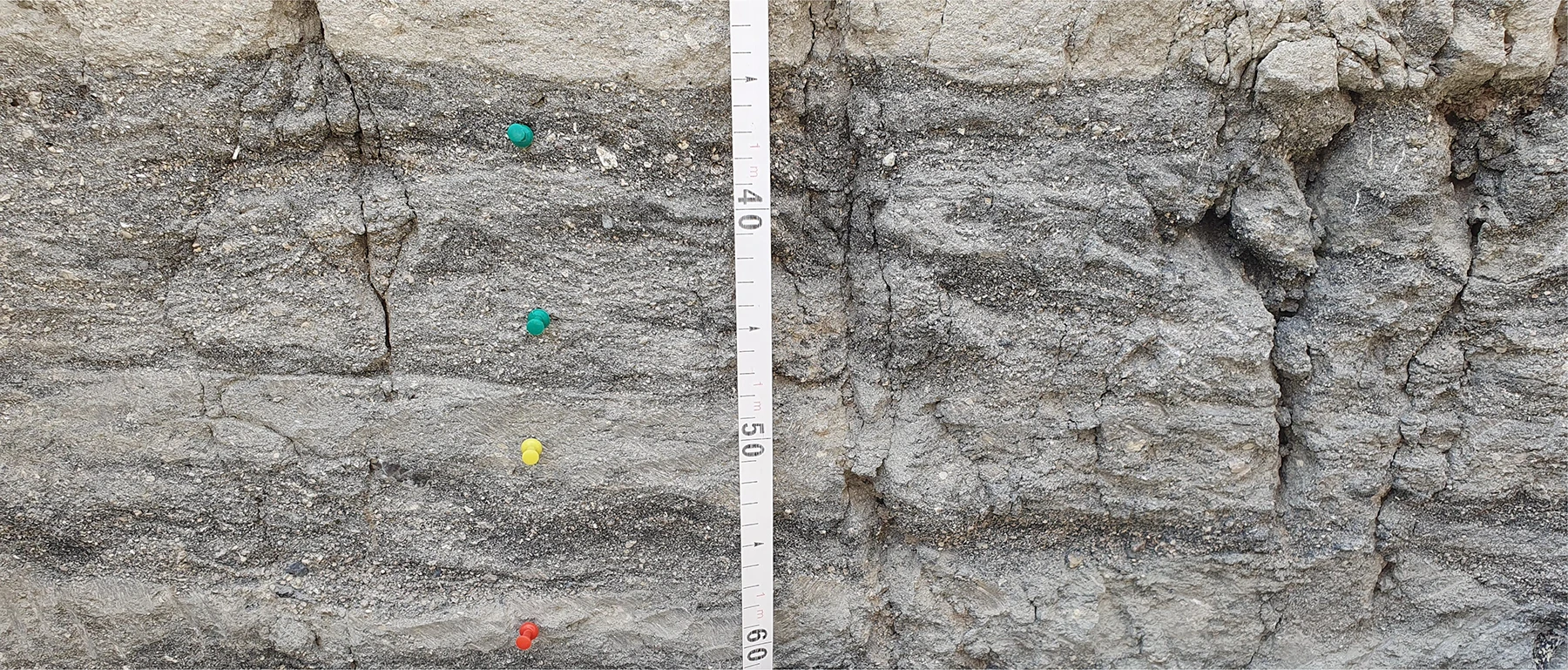
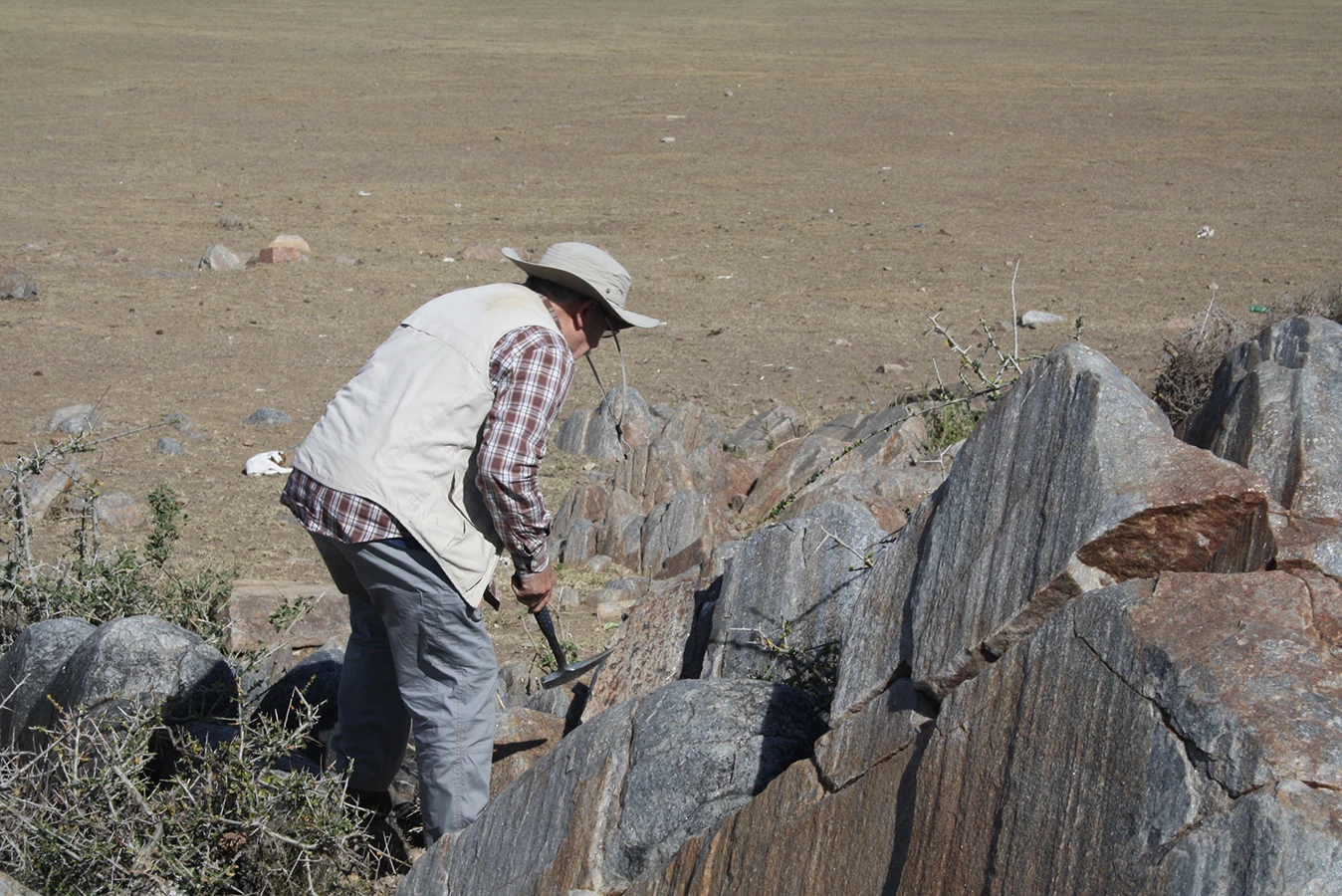
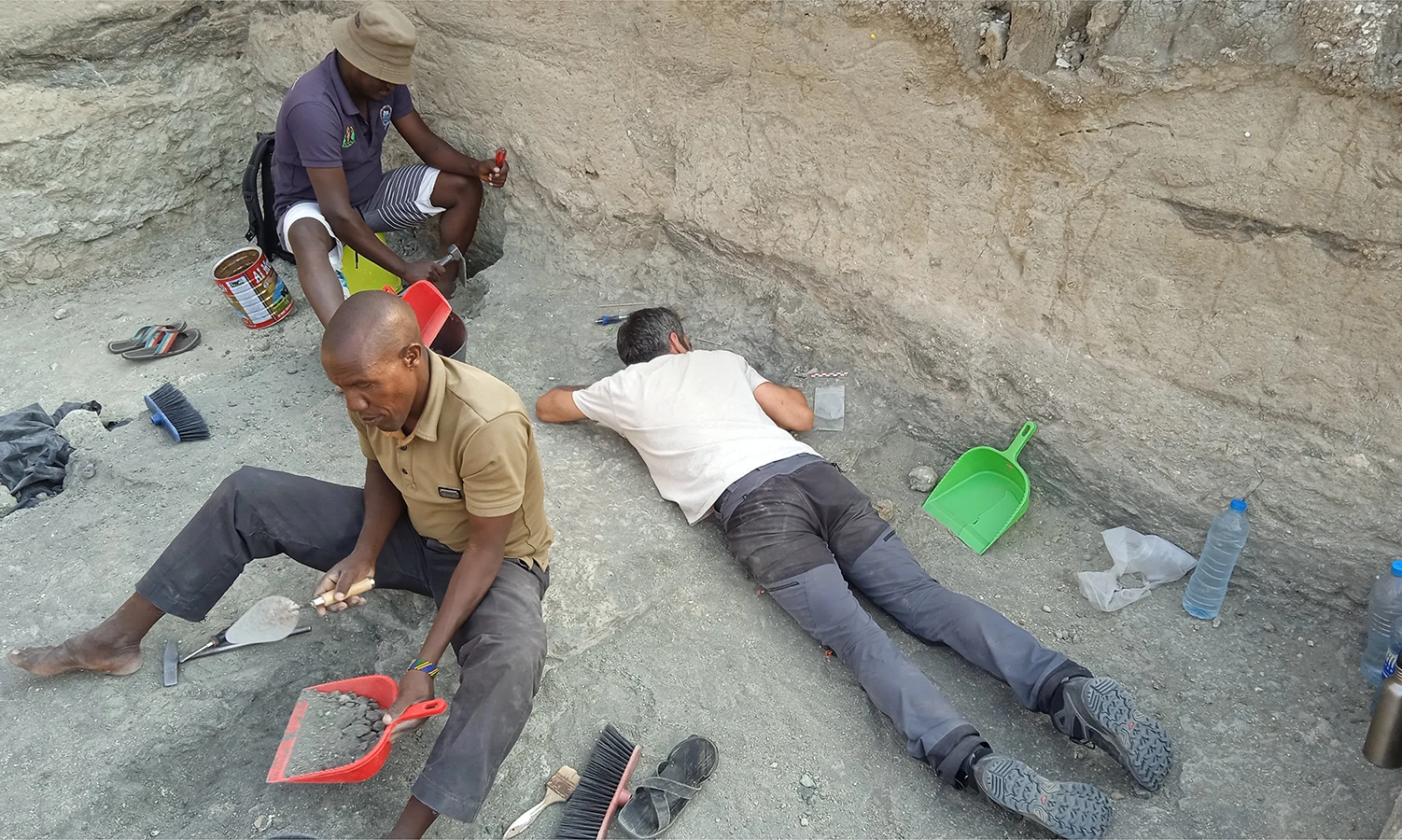
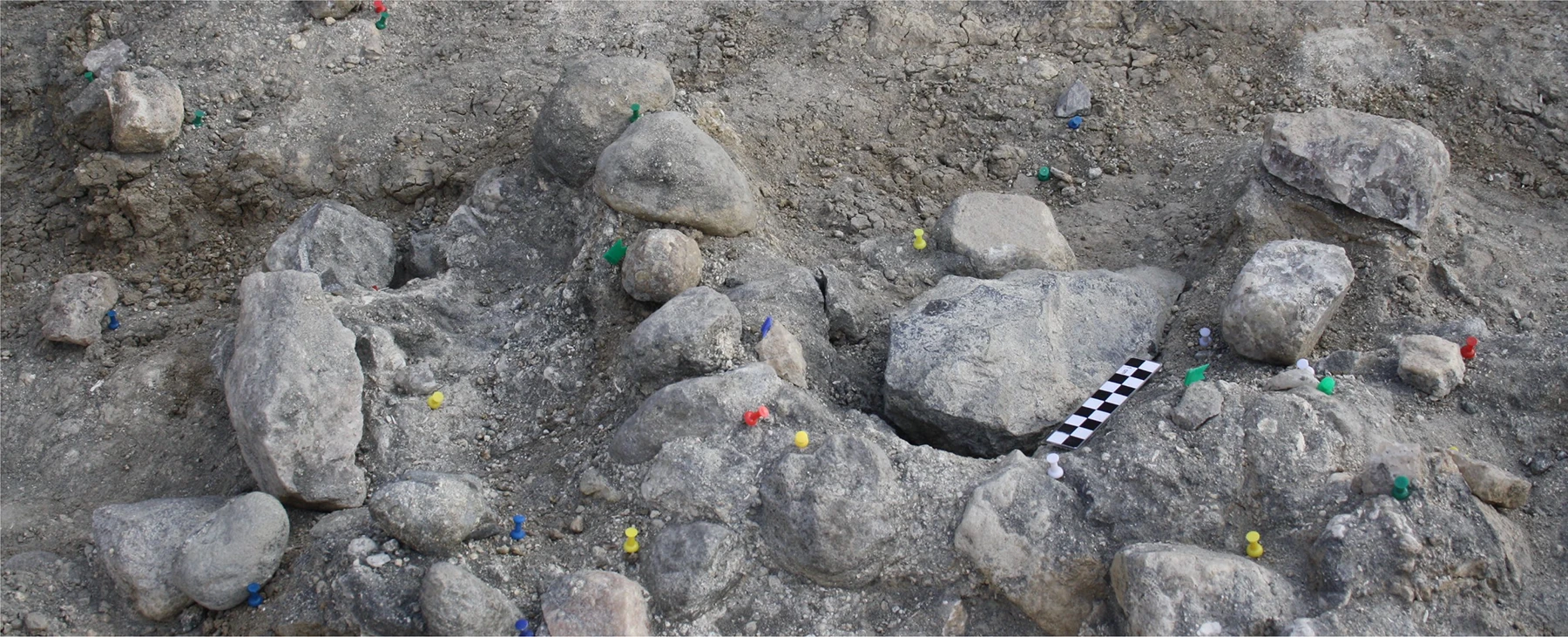
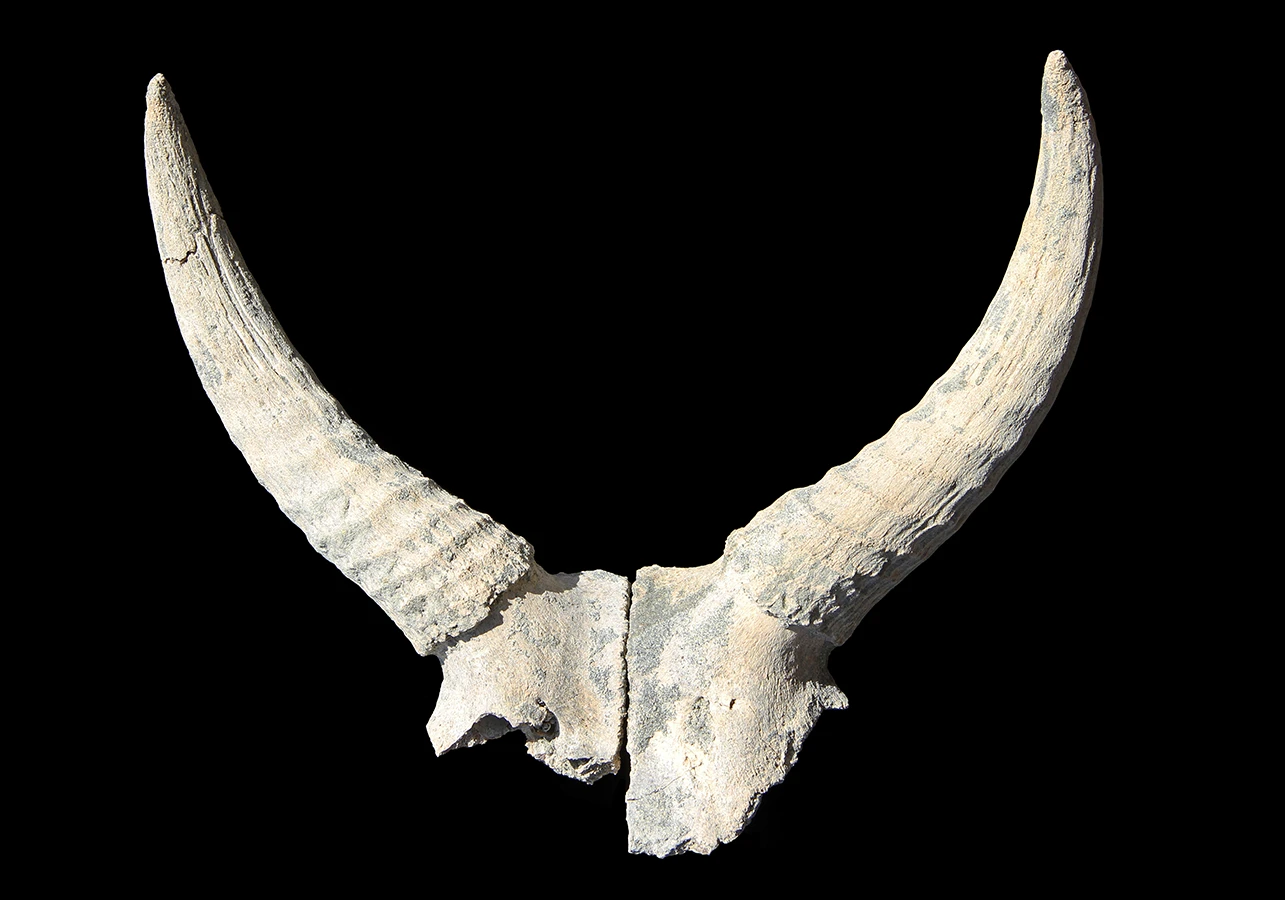
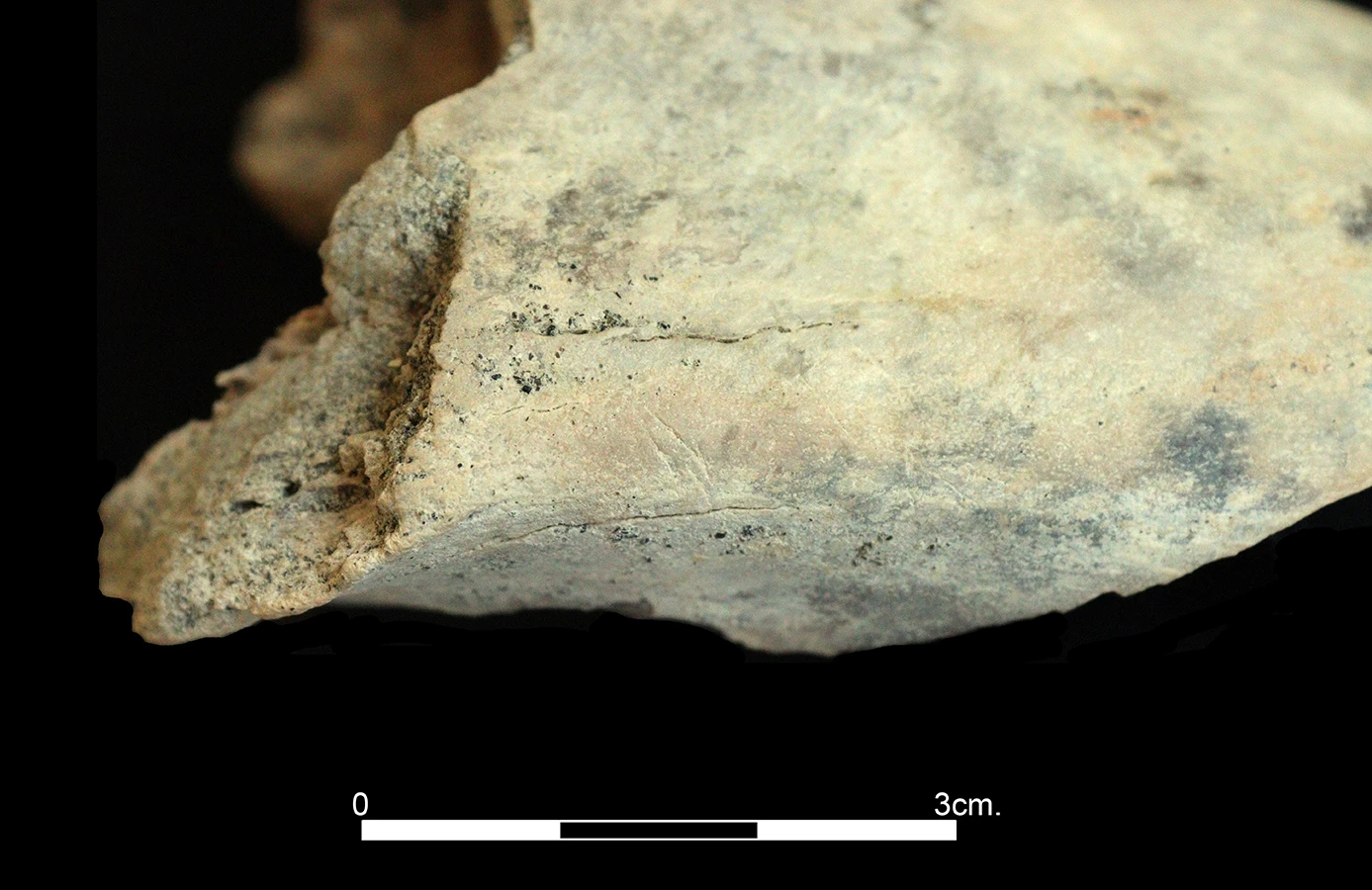
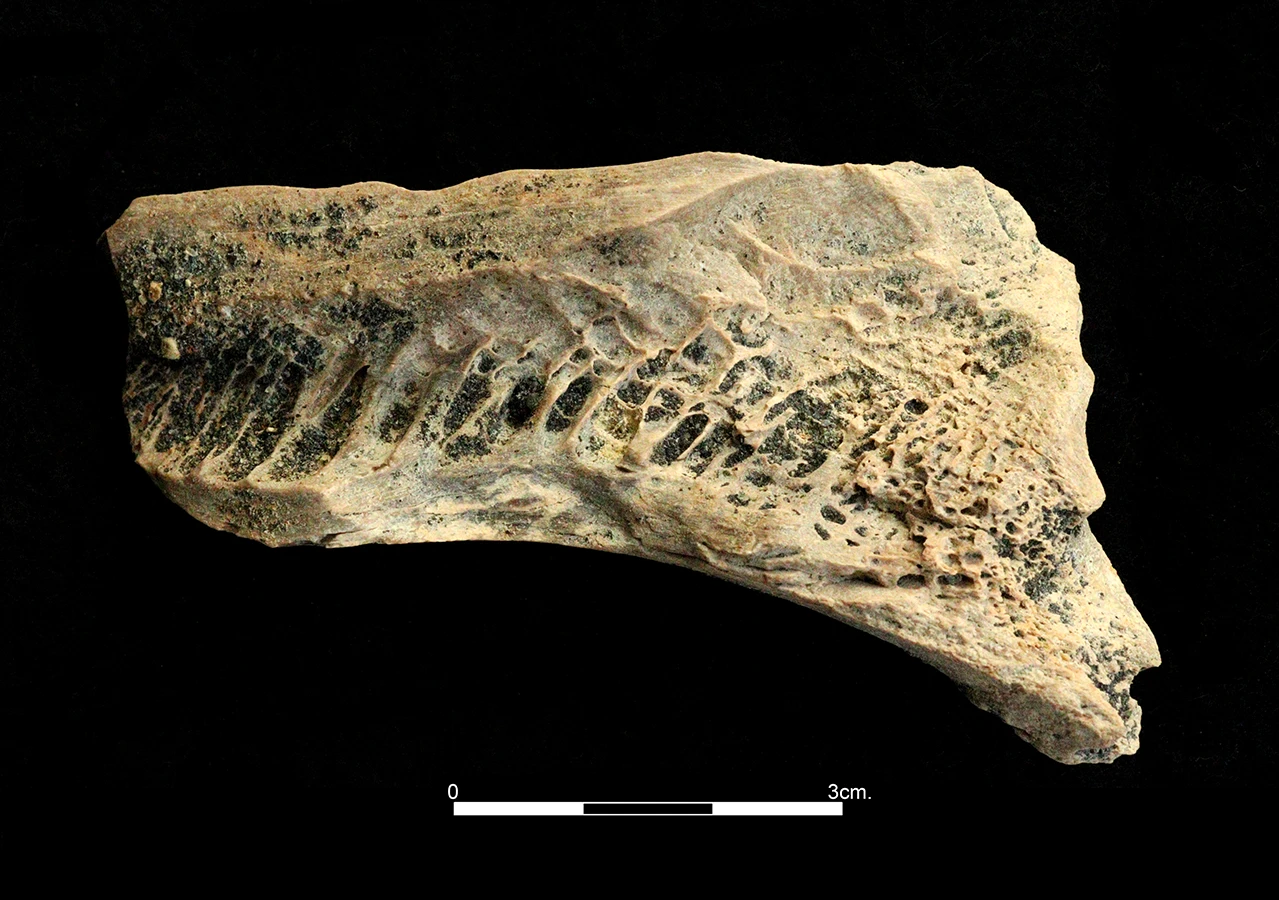
Our team has studied the Acheulean in Tanzania for years. On this website, you can explore our research at FLK West (Olduvai Gorge) and Peninj (Lake Natron), along with other projects, data, and updates about the African Acheulean. Welcome!